Clinical Laboratory Gallery: Introduction, Contents, and Brief Description of Photos

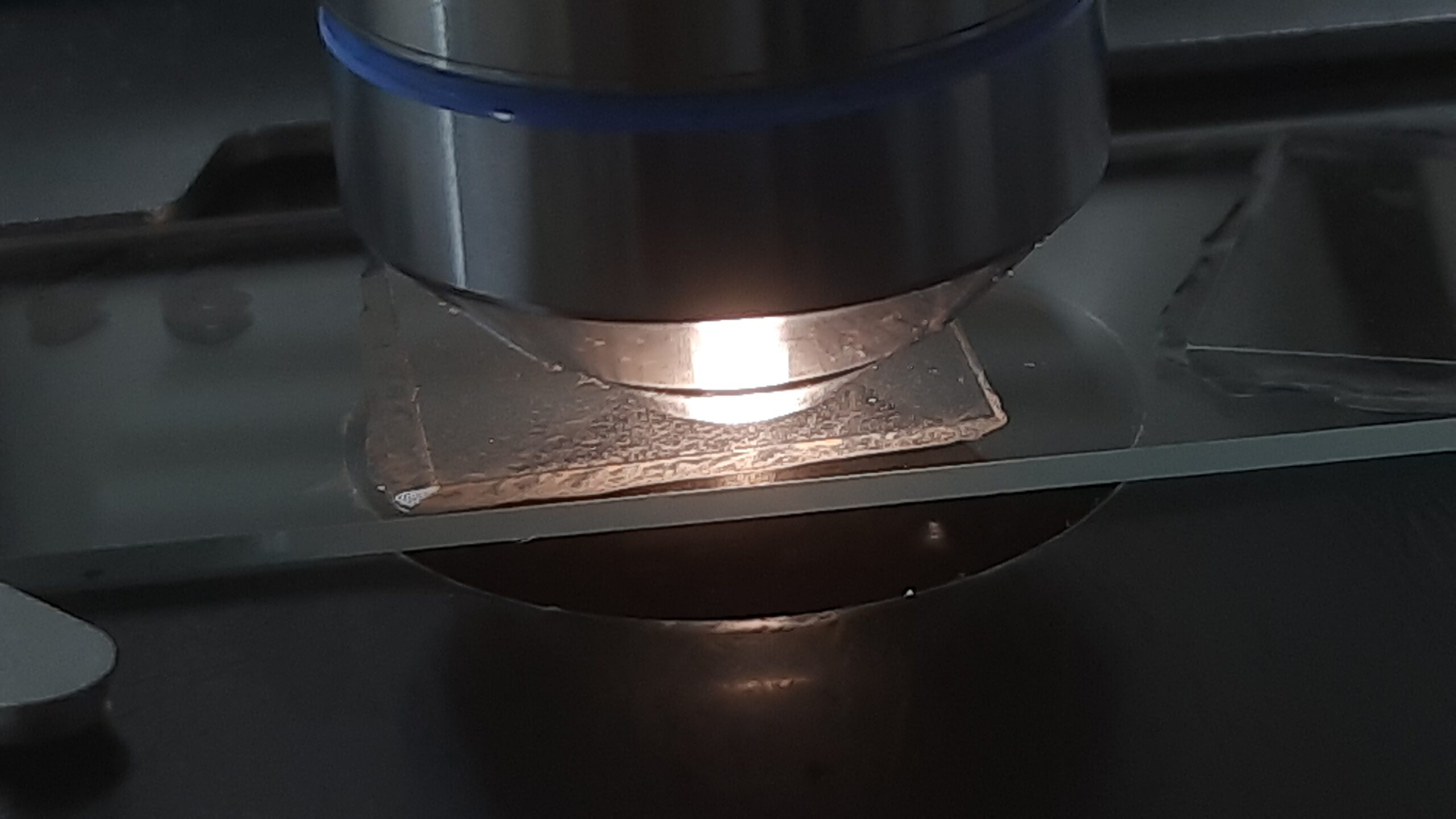
Wet Mount Microscopy-Ready slide for observation

Introduction ‘Clinical Laboratory Gallery’ is a collection of genuine photos regarding stream of Clinical Laboratory like Stool and Urine Section (SUS), Phlebotomy, Clinical Haematology, Clinical Biochemistry, Blood Banking and Transfusion medicine, Microbiology and Immunology, Cytology and Histopathology, and Molecular Biology. Contents Collection of images are …

Read more

Tuberculosis: Introduction, Types, Sign and Symptoms, Causative Agent, Laboratory Diagnosis, Treatment, Prevention and Control, and Keynotes

Introduction Tuberculosis (TB) is a contagious bacterial infection that primarily affects the lungs, although it can also impact other parts of the body. It is caused by Mycobacterium tuberculosis, a type of bacteria that spreads through the air when an infected person coughs, sneezes, or …

Read more

Bloodstream Infections(BSI): Introduction, Types, Sign and Symptoms, Common Pathogens, Laboratory Diagnosis, Treatment, Prevention and Control, and Keynotes

Introduction Bloodstream infections (BSI), also known as bacteremia or septicemia, are serious medical conditions characterized by the presence of bacteria or other pathogens in the bloodstream. This condition can lead to severe health complications and even be life-threatening if not promptly diagnosed and treated. Bloodstream …

Read more

VDRL Test: Introduction, Test Result, Normal Range, Test method, Clinical Significance, and Keynotes

Introduction The Venereal Disease Research Laboratory (VDRL) test is a blood test used to detect the presence of antibodies that are produced by the body in response to certain infections, primarily syphilis. Syphilis is a sexually transmitted infection (STI) caused by the bacterium Treponema pallidum. …

Read more

Ureaplasma: Introduction, Morphology, Pathogenicity, Lab Diagnosis, Treatment, Prevention, and Keynotes

Introduction Ureaplasma is a genus of bacteria that belong to the class Mollicutes. These bacteria are characterized by their small size, lack of a cell wall, and a simple structure. Ureaplasma species (they) are known to colonize the human urogenital tract and are associated with …

Read more

Legionella pneumophila: Introduction, Morphology, Pathogenicity, Lab Diagnosis, Treatment, Prevention, and Keynotes

Introduction Legionella pneumophila is a gram-negative, aerobic bacterium responsible for causing Legionnaires’ disease, a severe form of pneumonia, and Pontiac fever, a milder flu-like illness. It was first identified in 1976 when an outbreak of pneumonia affected attendees of an American Legion convention in Philadelphia, …

Read more

Mycoplasma pneumoniae: Introduction, Morphology, Pathogenicity, Lab Diagnosis, Treatment, Prevention, and Keynotes

Introduction Mycoplasma pneumoniae is a unique type of bacteria that belongs to the class Mollicutes. What sets it apart from other bacteria is its lack of a cell wall, which is a characteristic feature of most bacterial species. This absence of a cell wall makes …

Read more

E. aerogenes: Introduction, Morphology, Pathogenicity, Lab Diagnosis, Treatment, Prevention, and Keynotes

Enterobacter aerogenes colony morphology on CLED agar of urine culture

Introduction Enterobacter aerogenes is a bacterium belonging to the Enterobacteriaceae family, which includes several other important pathogens and opportunistic bacteria. E. aerogenes is a Gram-negative, rod-shaped bacterium that is commonly found in various environments, including soil, water, and the gastrointestinal tracts of humans and animals. …

Read more