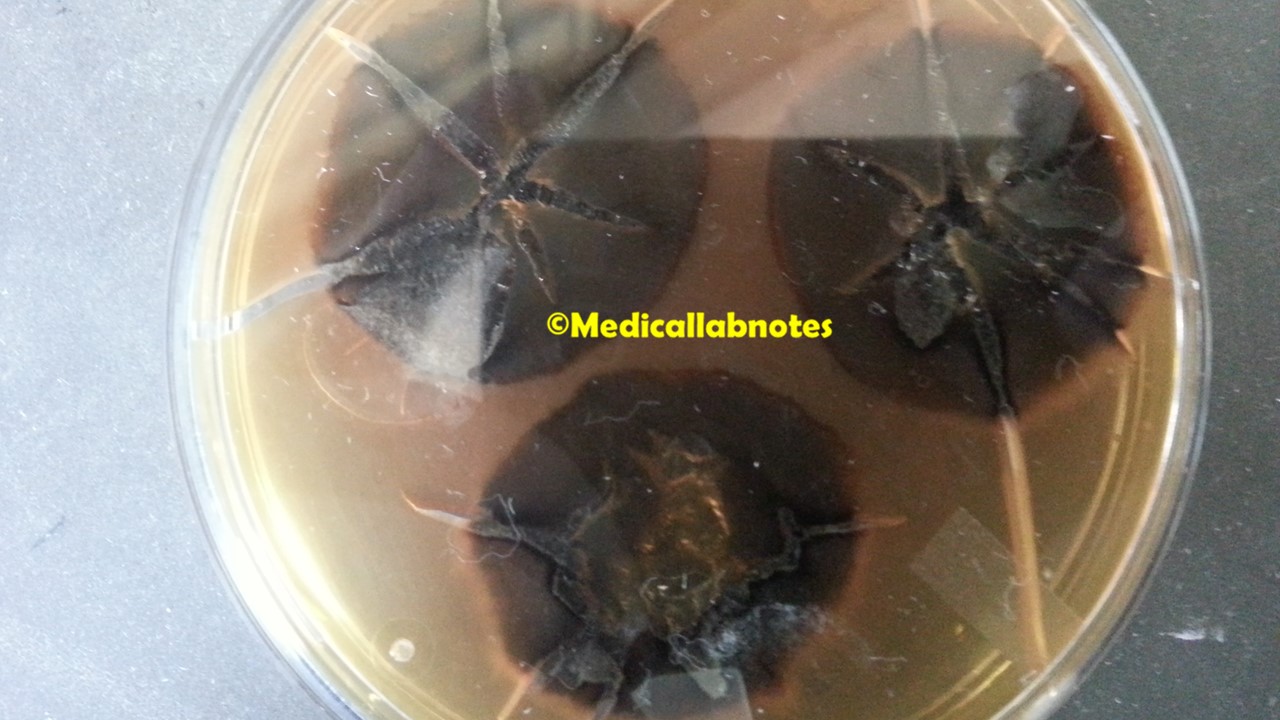
Curvularia: Introduction, Morphology, Pathogenicity, Lab Diagnosis, Treatment, Prevention, and Keynotes

Curvularia Colony characteristics on SDA-Reverse side view

Introduction Curvularia is a genus of filamentous fungi belonging to the family Pleosporaceae, commonly found in soil, decaying plant material, and various environmental niches. These fungi are known for their distinctive curved or sigmoid-shaped conidia (asexual spores), which give the genus its name. Characteristics: Pathogenicity: …

Read more

Candida parapsilosis: Introduction, Morphology, Pathogenicity, Lab Diagnosis, Treatment, Prevention, and Keynotes

Candida parapsilosis growth on Candida CHROMagar

Introduction Candida parapsilosis is a species of yeast that belongs to the Candida genus, which includes various fungi commonly found in the environment and on the human body. Candida species are part of the normal human microbiota, residing on the skin, mucous membranes, and gastrointestinal …

Read more

Scedosporium: Introduction, Morphology, Pathogenicity, Lab Diagnosis, Treatment, Prevention, and Keynotes

Scedosporium colony morphology on Sabouraud dextrose agar (SDA) of clinical specimen, pus culture

Introduction Scedosporium is a genus of fungi that belongs to the phylum Ascomycota. It is a medically important group of molds known for their ability to cause a wide range of infections in humans. The genus was first described in 1913 by Paul Vuillemin and …

Read more

Acremonium: Introduction, Morphology, Pathogenicity, Lab Diagnosis, Treatment, Prevention, and Keynotes

Acremonium colony characteristics on Sabouraud dextrose agar of clinical specimen, ear discharge

Introduction Acremonium is a genus of fungi that belongs to the family Hypocreaceae within the order Hypocreales. It is a diverse group of molds commonly found in soil, plant material, and decaying organic matter. They are ubiquitous in nature and can be found in various …

Read more