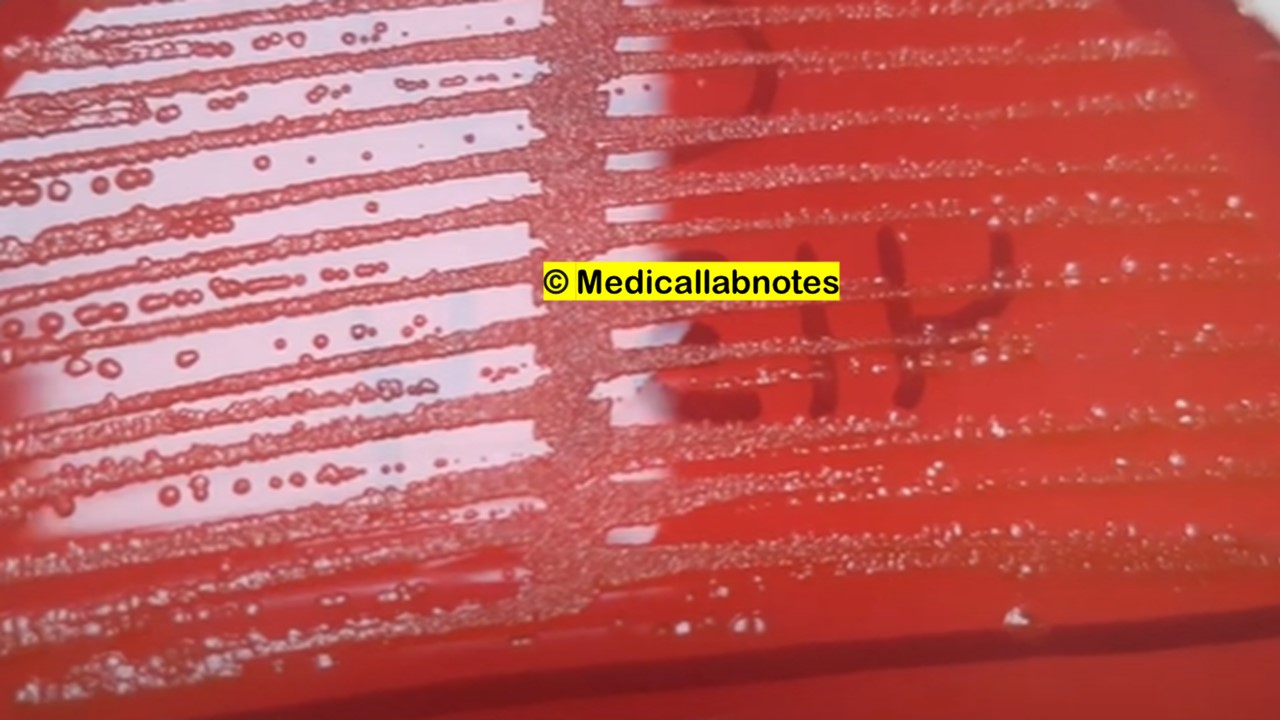
Acinetobacter: Introduction, Morphology, Pathogenicity, Lab Diagnosis, Treatment, Prevention, and Keynotes

Acinetobacter: Introduction, Morphology, Pathogenicity, Lab Diagnosis, Treatment, Prevention, and Keynotes

Introduction Acinetobacter is a genus of Gram-negative bacteria that are commonly found in the environment, including soil, water, and healthcare settings. While some species of Acinetobacter are harmless and part of the normal flora on human skin, others can cause opportunistic infections, particularly in healthcare-associated …

Read more

Burkholderia cepacia: Introduction, Morphology, Pathogenicity, Lab Diagnosis, Treatment, Prevention, and Keynotes

Burkholderia cepacia: Introduction, Morphology, Pathogenicity, Lab Diagnosis, Treatment, Prevention, and Keynotes

Introduction Burkholderia cepacia is a species of gram-negative bacteria within the Burkholderia genus. It is a versatile and opportunistic pathogen that can cause infections in both immunocompromised and healthy individuals. B. cepacia is a significant concern, particularly in individuals with cystic fibrosis (CF) and other …

Read more

Enterococcus: Introduction, Morphology, Pathogenicity, Lab Diagnosis, Treatment, Prevention, and Keynotes

Enterococcus faecium colony characteristics on CLED agar of Urine Culture

Introduction Enterococcus is a genus of Gram-positive bacteria that are part of the normal microbial flora of humans and animals. They are facultative anaerobes, meaning they can survive in both the presence and absence of oxygen. Enterococcus species are known for their ability to thrive …

Read more

Citrobacter freundii: Introduction, Morphology, Pathogenicity, Lab Diagnosis, Treatment, Prevention, and Keynotes

Citrobacter freundii growth on CLED agar of Urine Culture

Introduction Citrobacter freundii is a Gram-negative bacterium belonging to the Enterobacteriaceae family. It is commonly found in the environment, including soil, water, and the intestinal tracts of humans and animals. Citrobacter freundii is an opportunistic pathogen, meaning it can cause infections in individuals with weakened …

Read more

Serratia ficaria: Introduction, Morphology, Pathogenicity, Lab Diagnosis, Treatment,Prevention, and Keynotes

Serratia ficaria on CLED Agar of Urine Culture

Introduction Serratia ficaria is a bacterial species that belongs to the genus Serratia. It is a Gram-negative, rod-shaped bacterium that is commonly found in various environmental niches, including soil, water, and plants. Serratia ficaria is known for its ability to produce a distinctive red pigment …

Read more

Serratia fonticola: Introduction, Morphology, Pathogenicity, Lab Diagnosis, Treatment,Prevention, and Keynotes

Gram negative bacilli or rods of Serratia fonticola in Bronchoalveolar lavage (BAL) sample Gram staining

Introduction Serratia fonticola is a Gram-negative bacterium that belongs to the genus Serratia. It was first isolated and described in 1998 from water samples in a freshwater spring in California, USA. Since its discovery, S. fonticola has been identified in various environmental sources, including soil, …

Read more