E. aerogenes: Introduction, Morphology, Pathogenicity, Lab Diagnosis, Treatment, Prevention, and Keynotes
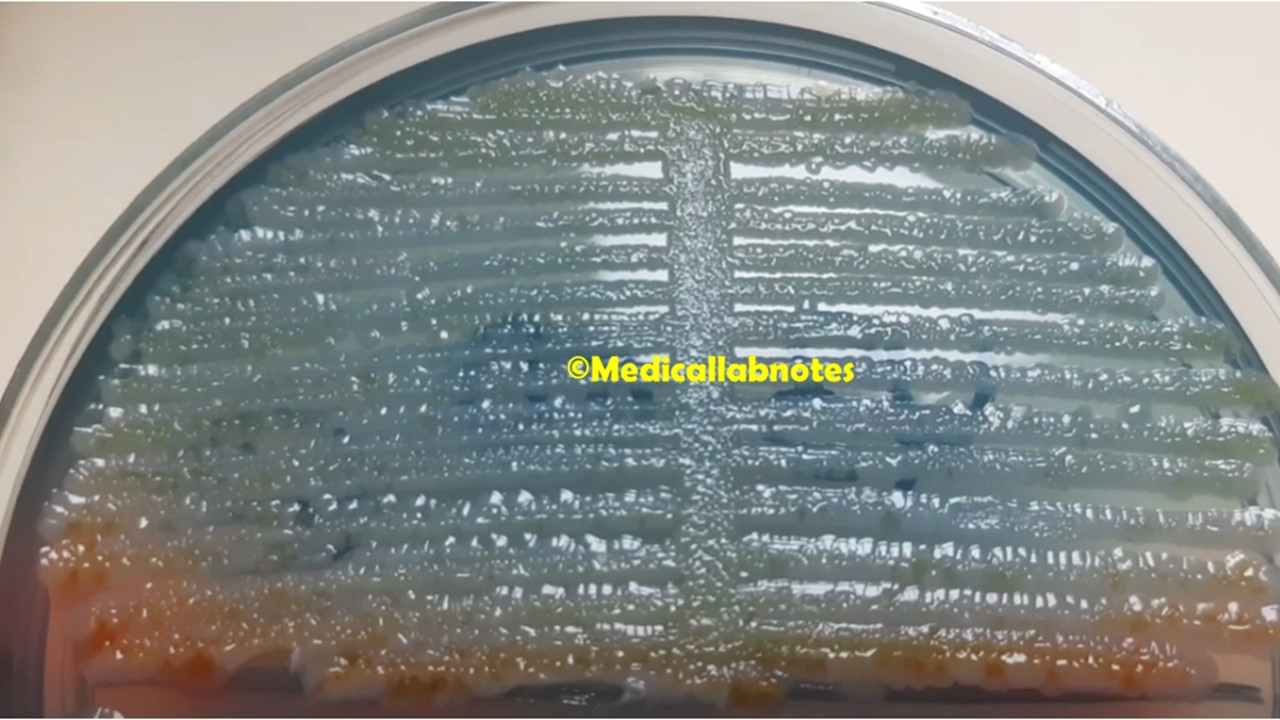
Enterobacter aerogenes colony morphology on CLED agar of urine culture

Introduction Enterobacter aerogenes is a bacterium belonging to the Enterobacteriaceae family, which includes several other important pathogens and opportunistic bacteria. E. aerogenes is a Gram-negative, rod-shaped bacterium that is commonly found in various environments, including soil, water, and the gastrointestinal tracts of humans and animals. …

Read more

Staphylococcus saprophyticus: Introduction, Morphology, Pathogenicity, Lab Diagnosis, Treatment, Prevention, and Keynotes

Staphylococcus saprophyticus on Muller-Hinton agar (MHA) showing novobiocin resistance

Introduction Staphylococcus saprophyticus is a species of bacteria that belongs to the genus Staphylococcus. It is a Gram-positive, coagulase-negative, and facultative anaerobic bacterium. Like other staphylococci, S. saprophyticus typically appears in clusters under a microscope, which is characteristic of its name, derived from the Greek …

Read more

Scopulariopsis: Introduction, Morphology, Pathogenicity, Lab Diagnosis, Treatment, Prevention, and Keynotes

Chains of single-celled conidia and conidiophores(annellides) of Scopulariopsis in LPCB Tease mount of culture microscopy

Introduction Scopulariopsis is a genus of filamentous fungi belonging to the class Ascomycota. It is a widespread and diverse group of fungi found in various environmental niches. Scopulariopsis species (they) are commonly present in soil, decaying organic matter, and indoor environments. The name “Scopulariopsis” is …

Read more

Candida parapsilosis: Introduction, Morphology, Pathogenicity, Lab Diagnosis, Treatment, Prevention, and Keynotes

Candida parapsilosis growth on Candida CHROMagar

Introduction Candida parapsilosis is a species of yeast that belongs to the Candida genus, which includes various fungi commonly found in the environment and on the human body. Candida species are part of the normal human microbiota, residing on the skin, mucous membranes, and gastrointestinal …

Read more

Candida tropicalis: Introduction, Morphology, Pathogenicity, Lab Diagnosis, Treatment, Prevention, and Keynotes

Various Candida species grew on Candida CHROMAgar -Candida albicans (green), Candida tropicalis (cream-colored to light pink colonies), Candida glabrata (purple to lavender-color), Candida krusei(dark blue to mauve colonies), and Candida parapsilosis (cream-colored) as shown in the figure.

Introduction Candida tropicalis is a species of yeast, belonging to the Candida genus, commonly found in the environment and on the human body as part of the normal microbial flora. Similar to other Candida species, it can exist as a commensal organism, coexisting harmlessly with …

Read more

Candida glabrata: Introduction, Morphology, Pathogenicity, Lab Diagnosis, Treatment, Prevention, and Keynotes

Yeast cells and hyphae of Candida glabrata in Giemsa stained smear of sputum microscopy at a magnification of 1000X

Introduction Candida glabrata is a species of yeast, specifically a type of fungus, that belongs to the Candida genus. It is commonly found in the environment and is also part of the normal microbial flora on the skin and mucous membranes of humans. While it …

Read more

Extended Spectrum Beta-Lactamase (ESBL): Introduction, List of Bacteria, Pathogenicity, Symptoms, Lab Diagnosis, Treatment, Prevention, and Keynotes

Extended spectrum beta lactamase (ESBL) detection using Double-Disc Synergy Test (DDST)

Introduction ESBL stands for Extended-Spectrum Beta-Lactamase. It refers to a group of enzymes produced by certain types of bacteria that can break down and inactivate a broad range of antibiotics called beta-lactams. Beta-lactams include commonly used antibiotics like penicillins, cephalosporins, and carbapenems. ESBL-producing bacteria are …

Read more

Pseudomonas aeruginosa: Introduction, Morphology, Pathogenicity, Lab Diagnosis, Treatment, Prevention, and Keynotes

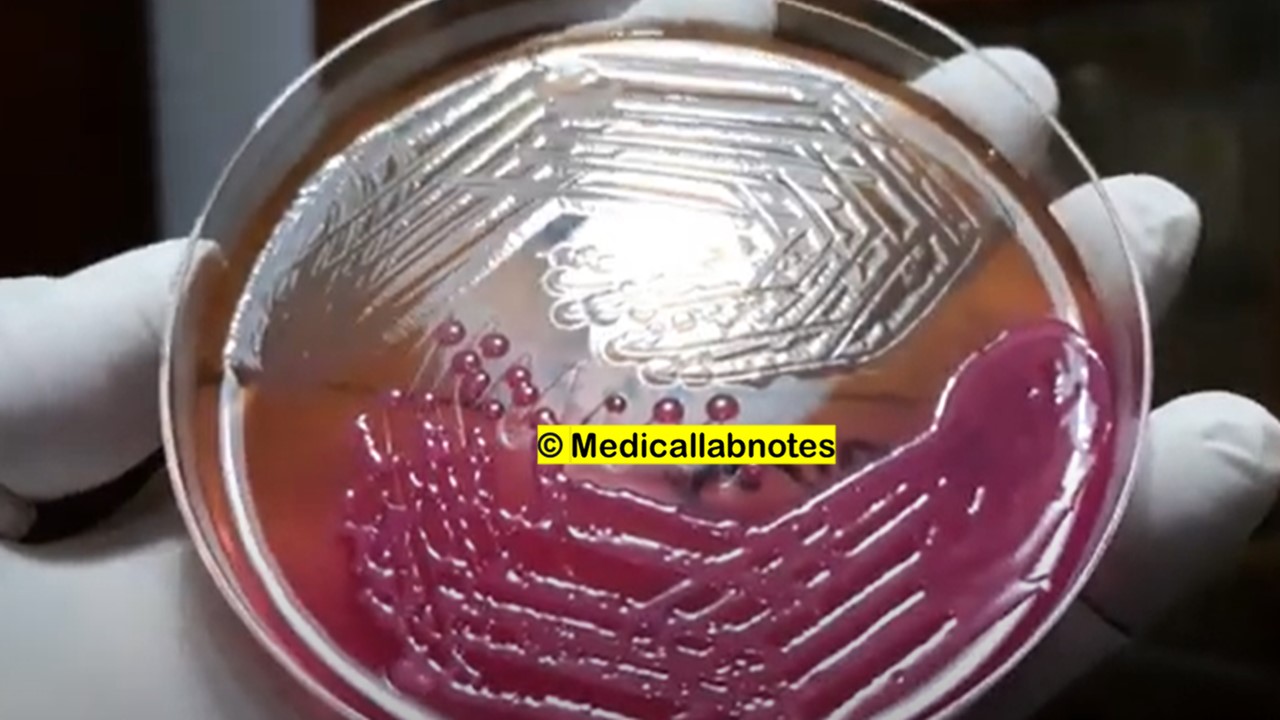
Pseudomonas aeruginosa non-lactose fermenting (NLF) colony and mucoid lactose fermenting colony of Klebsiella pneumoniae on MacConkey medium

Introduction Pseudomonas aeruginosa is a Gram-negative bacterium that is widely distributed in nature and is known for its versatility and adaptability. It is an opportunistic pathogen capable of causing infections in humans, particularly in individuals with weakened immune systems or underlying medical conditions. P. aeruginosa …

Read more