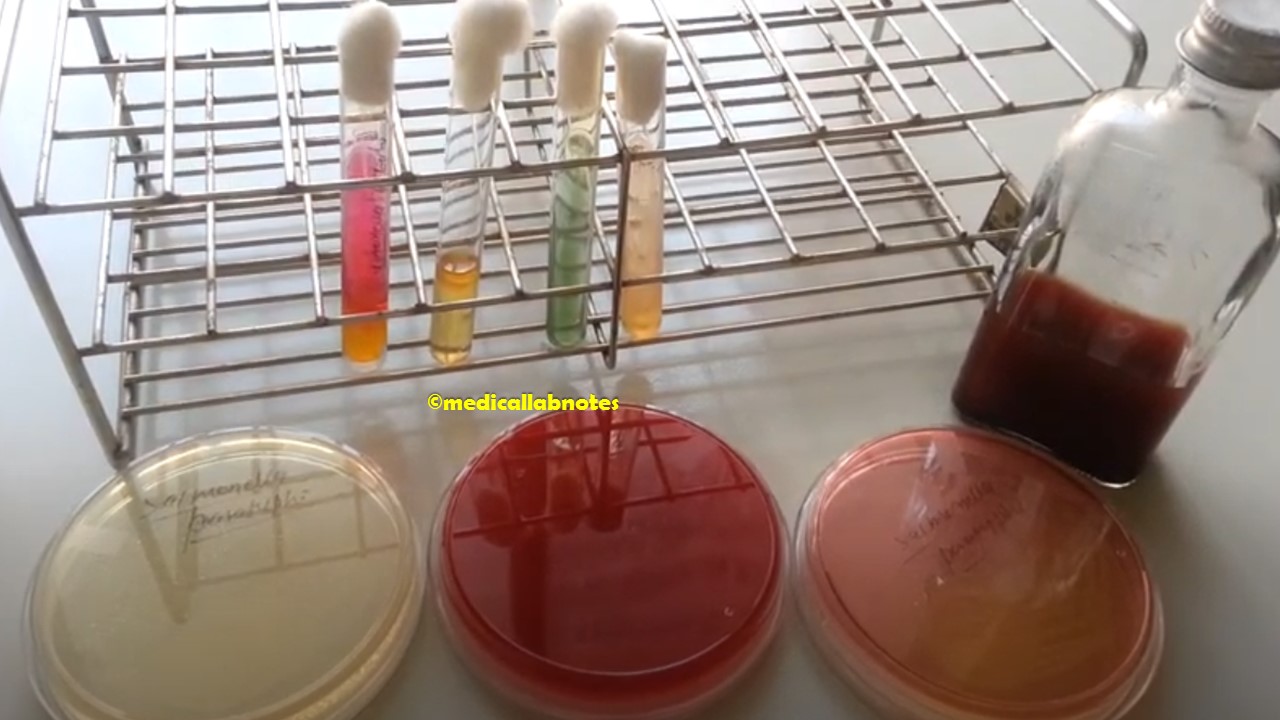
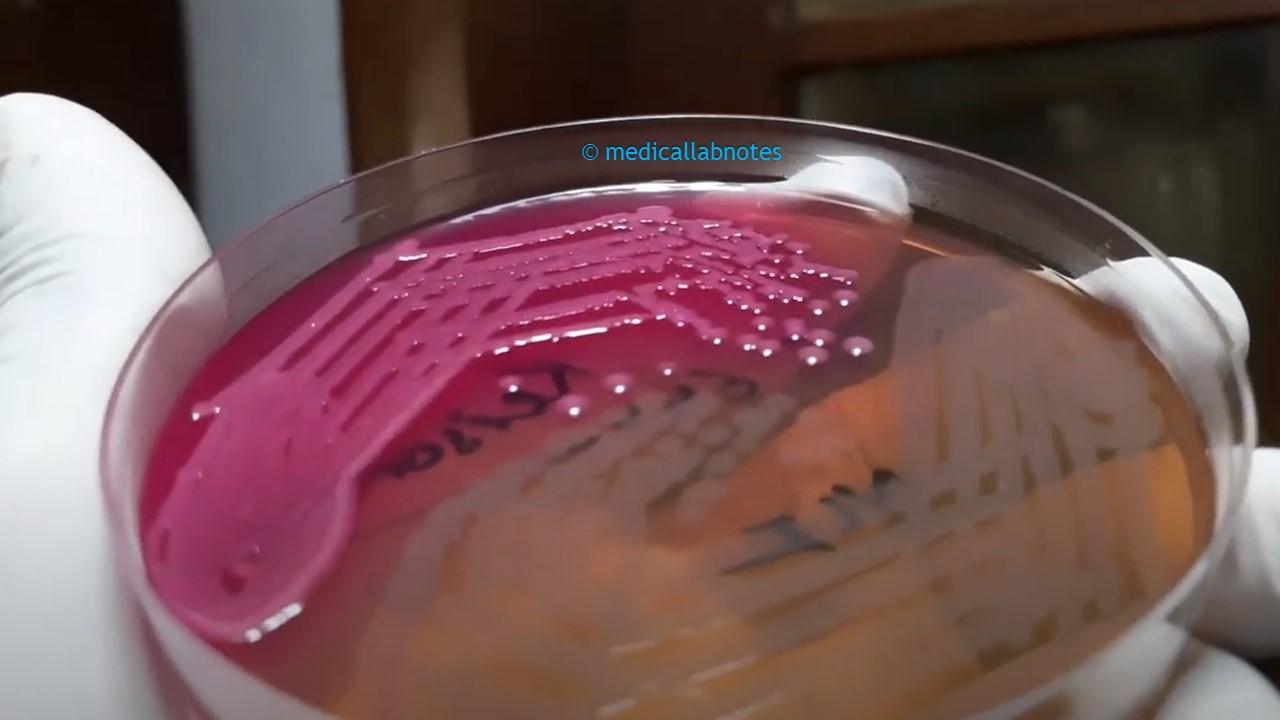
Shigella Serotyping: Introduction, Principle, Test Requirements, Test Procedure, Result-Interpretation, and Keynotes

Shigella polyvalent A, B and C2 for Shigella dysenteriae, Shigella flexneri, and Shigella boydii

Introduction of Shigella Serotyping Shigella Serotyping helps to differentiate serotypes of Shigella. Serotypes refer to separate groups within a species of microorganisms that all share a similar property. More specifically, each serotype has the same number of antigens on its surfaces. For example, Shigella flexneri serotype 1, 2, 2a, S. sonnei, and S. …
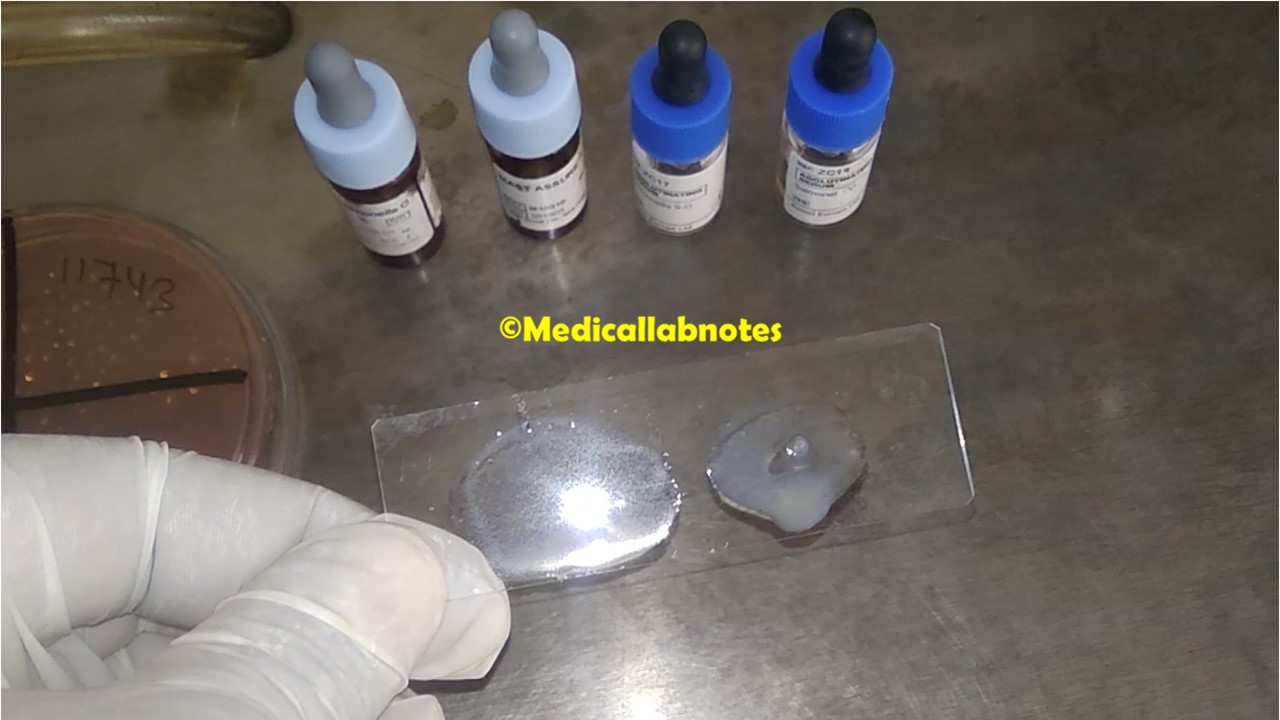
Read more

Salmonella Serotyping: Introduction, Serotypes and Risk Factors of Salmonella Infection

Salmonella Antisera and serotype positive demonstration

Salmonella Serotyping Serotyping is a type of epidemiological marker. It works on the principle of agglutination. agglutination or clumping: Positive No agglutination or clumping: Negative On this basis, Salmonella can differentiate whether Salmonella enterica serotype  Typhi or Paratyphi and so on. Serotype    O antigen Salmonella enterica serotype  Typhi ( …

Read more

Gram Negative Bacteria Biochemical Test: Table, Introduction, Common Tests with Short Description, List of Organisms, and Related Pictures

Biochemical Test of Common Gram Negative Bacteria

Common Gram Negative Bacteria Biochemical Test Table Introduction of Gram-Negative Bacteria Biochemical Test ‘Common Gram Negative Bacteria Biochemical Test’ is a genuine puny collection of clinically relevant bacteria isolated in the clinical bacteriology laboratory by the creator and those etiological agents captured in his camera …

Read more

Salmonella Paratyphi: Introduction, Identification Features, Keynotes, and Salmonella Footages

Salmonella Serovar Paratyphi growth on Nutrient agar, Blood agar, MacConkey medium, BHI broth and Biochemical reactions in TSI, SIM, citrate and urea agar

Introduction Salmonella Paratyphi (serovar) belongs to Enterobacteriaceae and thus is a Gram-negative bacterium causing mild gastroenteritis to a life-threatening bloodstream infection. It causes paratyphoid fever and it is restricted to humans. Proper sanitation and hygiene may decrease its infection chance. Travelers must be cautious during …

Read more

Cholera: Introduction, Causative Agent, Pathogenicity, Symptoms, Lab Diagnosis, Treatment, Prevention, and Keynotes

Cholera: Introduction, Causative Agent, Pathogenicity, Symptoms, Lab Diagnosis, Treatment, Prevention, and Keynotes

Introduction Cholera is an infectious disease that is caused by the Gram-negative bacterium, Vibrio cholerae. It is responsible for severe watery diarrhea, which can lead to dehydration and even death if untreated. Cholera occurs due to eating food or drinking water contaminated V. cholerae. 13 …

Read more

MacConkey Agar: Introduction, Principle, Composition, Preparation, Procedure, Colony Morphology, Uses, and Keynotes

MacConkey Agar: Introduction, Principle, Composition, Preparation, Procedure, Colony Morphology, Uses, and Keynotes

Introduction of MacConkey Agar MacConkey agar (MAC) uses for the culture of gram-negative bacteria and therefore Enterobacteriaceae belonging bacteria grow well on this medium and coliforms also enjoy this medium. MAC is a modification of Neutral Red Bile Salt Agar developed by MacConkey. It was one of the …

Read more

Biochemical Test of Gram-Negative Bacteria: Introduction, Common Tests, List of Organisms, Keynotes, and Some Related Footages

Biochemical Test of Gram-Negative Bacteria: Introduction, Common Tests, List of Organisms, Keynotes, and Some Related Footages

Introduction of Biochemical Test of Gram-Negative Bacteria Gram-negative bacteria are the most common etiological agents which are responsible for bacterial infections as well as viral co-infections. Clinical Microbiology Laboratory generally becomes busy due to those isolates. The need for ‘Biochemical Test of Gram-Negative Bacteria’ is …

Read more

Salmonella Typhi: Introduction, Identification Features, Keynotes, and Salmonella Footages

Salmonella Typhi growth on MacConkey, Gram stained image, biochemical tests and Salmonella Typhi and S. Paratyphi on XLD agar

Introduction of Salmonella Typhi Salmonella Typhi is a member of the family, Enterobacteriaceae and it is a Gram-negative bacillus, non-sporing, non-encapsulated, aerobic, or facultative anaerobe of size 2 to 4 × 0.6 µm that causes enteric fever (typhoid fever) and food poisoning or gastroenteritis. Biochemical …

Read more