Ochroconis gallopava: Introduction, Morphology, Pathogenicity, Lab Diagnosis, Treatment, Prevention, and Keynotes

Conidiophores and conidia of Ochroconis gallopava in LPCB tease mount of culture microscopy

Introduction Ochroconis gallopava is a species of fungus belonging to the Ascomycota phylum. It is commonly known as the “riverbank grape black rot fungus.” This fungus is primarily known for its pathogenic properties, as it can cause significant damage to various plant species, particularly grapevines. …

Read more

Scopulariopsis: Introduction, Morphology, Pathogenicity, Lab Diagnosis, Treatment, Prevention, and Keynotes

Chains of single-celled conidia and conidiophores(annellides) of Scopulariopsis in LPCB Tease mount of culture microscopy

Introduction Scopulariopsis is a genus of filamentous fungi belonging to the class Ascomycota. It is a widespread and diverse group of fungi found in various environmental niches. Scopulariopsis species (they) are commonly present in soil, decaying organic matter, and indoor environments. The name “Scopulariopsis” is …

Read more

Trichoderma: Introduction, Morphology, Pathogenicity, Lab Diagnosis, Treatment, Prevention, and Keynotes

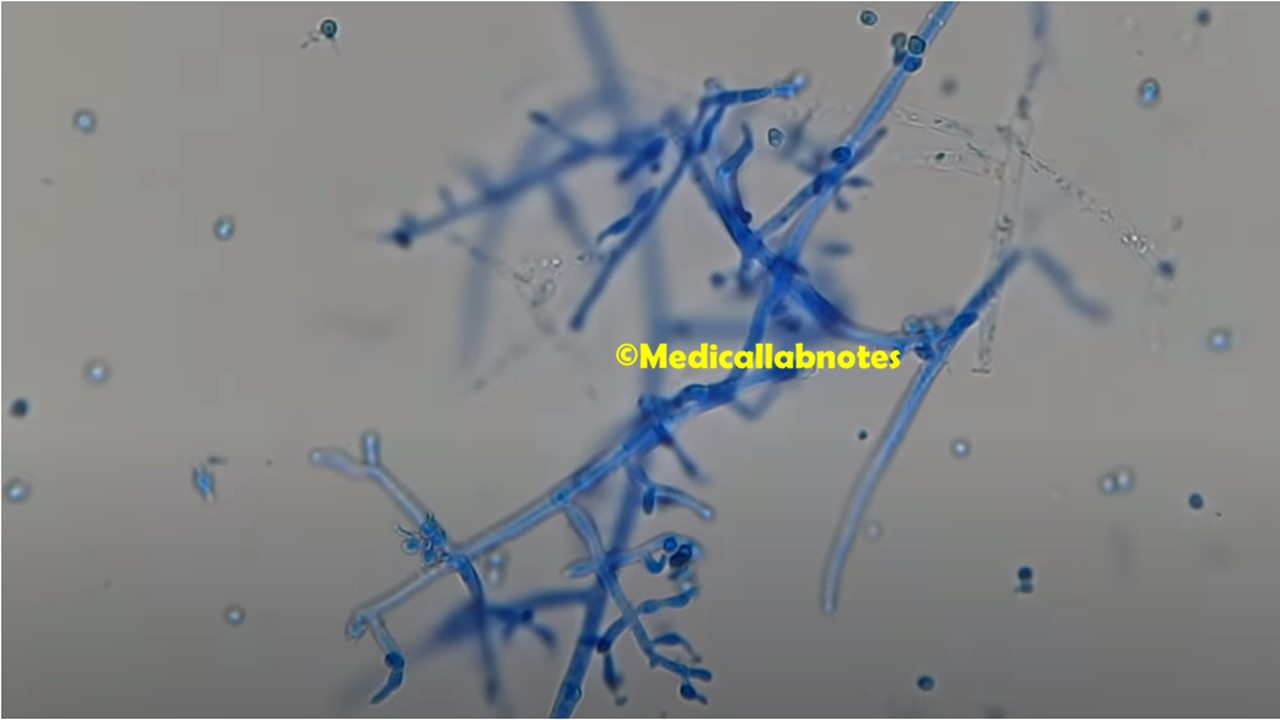
Conidia, phialides and conidiophores of Trichoderma in LPCB tease mount of culture microscopy

Introduction Trichoderma is a genus of fungi that plays a crucial role in agriculture, biotechnology, and environmental management. It is part of the phylum Ascomycota and is known for its diverse species that have the ability to interact with plants, other fungi, and soil microorganisms. …

Read more

Fusarium oxysporum: Introduction, Morphology, Pathogenicity, Lab Diagnosis, Treatment, Prevention, and Keynotes

Fusarium oxysporum growth on SDA tube

Introduction Fusarium oxysporum is a filamentous fungus belonging to the genus Fusarium. It is a widespread and economically significant plant pathogen that affects a wide range of crops, causing various diseases collectively known as “Fusarium wilt” or “Fusarium yellows.” This pathogen can infect over 100 …

Read more

Fusarium solani: Introduction, Morphology, Pathogenicity, Lab Diagnosis, Treatment, Prevention, and Keynotes

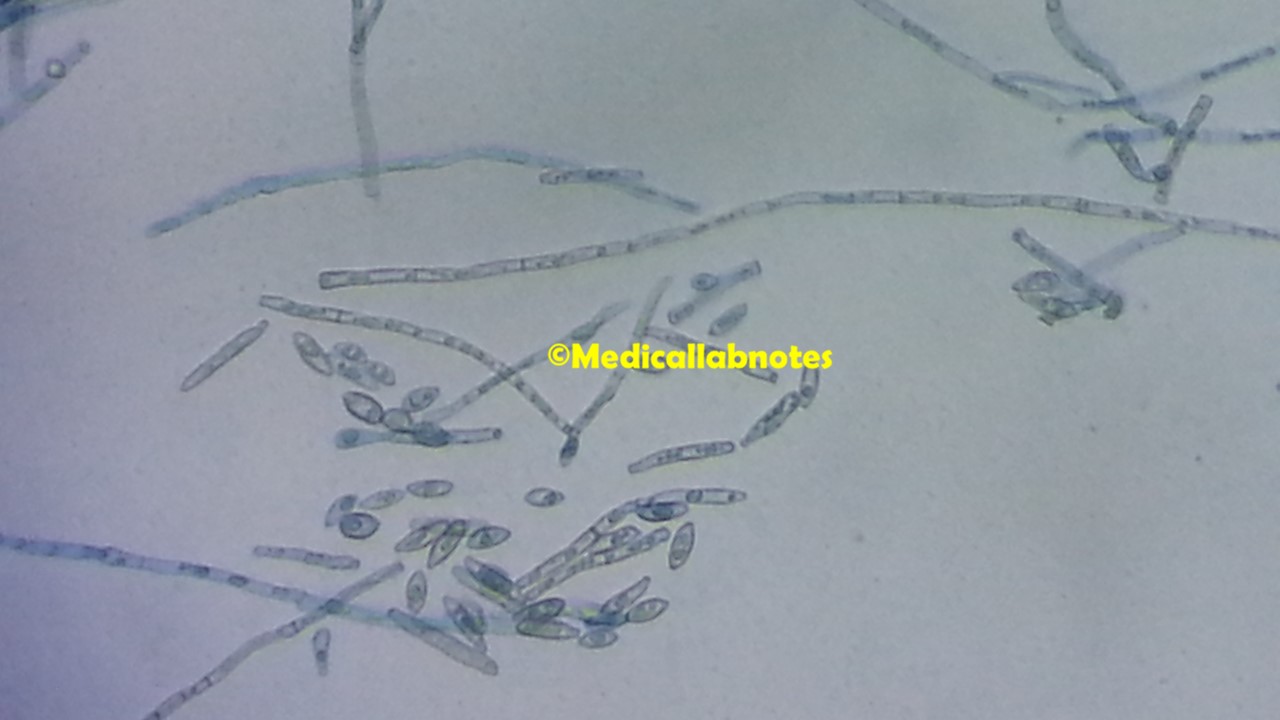
Macroconidia and conidiophores of Fusarium solani in LPCB tease mount of culture

Introduction Fusarium solani is a filamentous fungus belonging to the genus Fusarium. It is commonly found in the soil and is recognized as one of the most versatile and widespread species within the Fusarium genus. This fungus is known for its ecological importance, as it …

Read more

Aspergillus fumigatus: Introduction, Morphology, Pathogenicity, Lab Diagnosis, Treatment, Prevention, and Keynotes

Aspergillus fumigatus colony morphology on Czapek-Dox agar plate

Introduction Aspergillus fumigatus is a filamentous fungus and one of the most common and clinically relevant species in the Aspergillus genus. It is widely distributed in the environment and can be found in soil, compost, decaying vegetation, and indoor environments. It is known for its …

Read more

Aspergillus flavus: Introduction, Morphology, Pathogenicity, Lab Diagnosis, Treatment, Prevention, and Keynotes

Aspergillus flavus colony morphology on Czapek Dox Agar plate

Introduction Aspergillus flavus is a filamentous fungus belonging to the Aspergillus genus, which comprises a wide variety of mold species. This particular species is commonly found in the environment and is known for its economic and medical significance. It is commonly associated with food and …

Read more

Penicillium: Introduction, Morphology, Pathogenicity, Lab Diagnosis, Treatment, Prevention, and Keynotes

Penicillium colony morphology on fungal culture medium

Introductio Penicillium is a genus of mold that belongs to the family Aspergillaceae within the fungal kingdom. It is one of the most important and well-known groups of fungi, particularly due to its significant impact on medicine, industry, and food production. The name “Penicillium” originates …

Read more