Malonate Test: Introduction, Composition of Medium, Principle, Procedure, Uses, Result-Interpretation, and Limitations
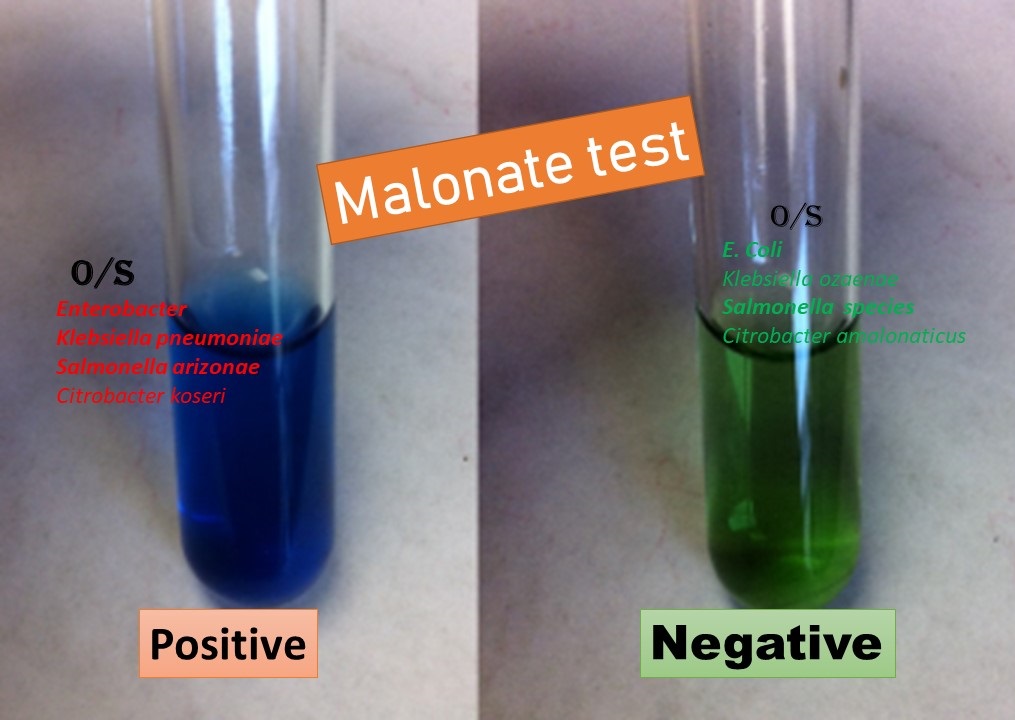
Malonate Test Positive and Negative bacteria

Introduction of Malonate Test Malonate test uses to check the ability of the organism to utilize malonate as the sole source of carbon for energy. To differentiate bacteria on the basis of a malonate utilization test. It is a colorful test to check the ability of …
Read more

Acetate Utilization Test: Introduction, Composition, Principle, Test Requirements, Test Procedure, Result and Interpretation, and Keynotes

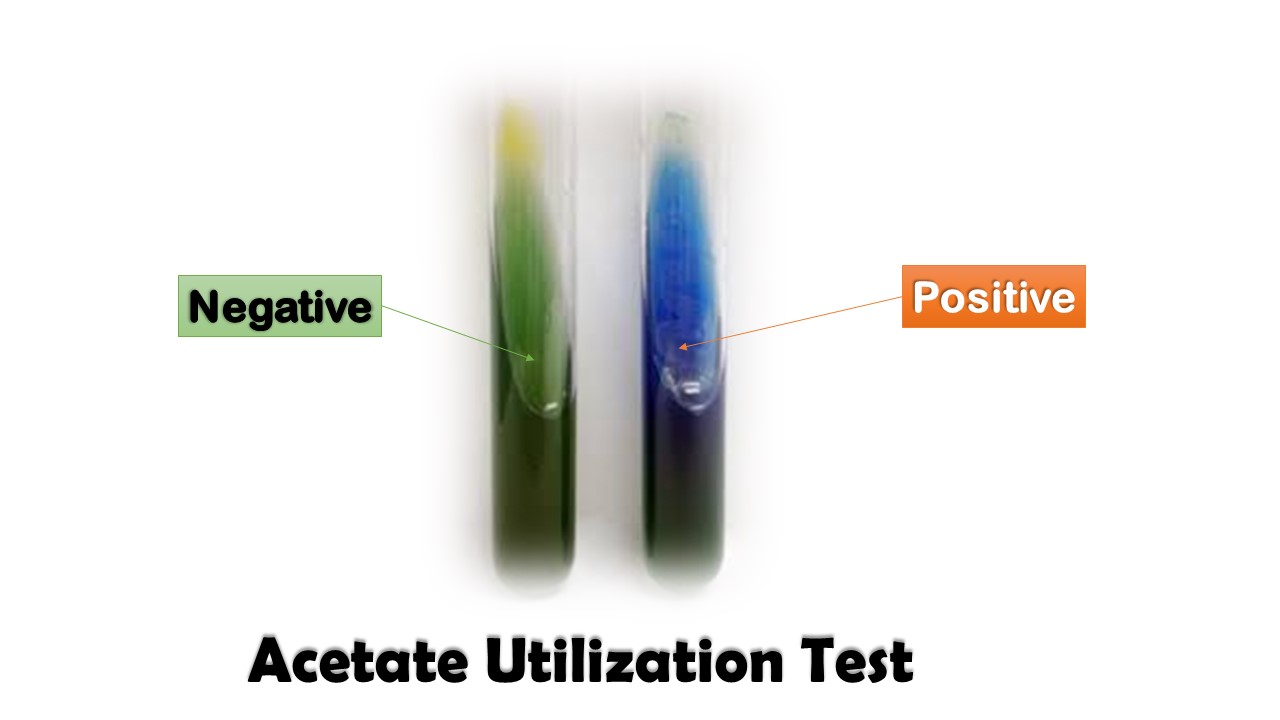
Acetate Utilization Test-Negative (left) and Positive (right side)

Introduction of Acetate Utilization Test Acetate Utilization Test ueses to determine the ability of an organism to use acetate as the sole source of carbon same as in the citrate utilization test for Enterobacteriaceae. It is the recommended assay for the differentiation of Shigella species from Escherichia coli. Composition of …

Read more

Oxidation-Fermentation (OF) Test: Introduction, Composition of the medium, Test Requirements, Principle, Procedure, Result -Interpretation, and Limitations

Fermentation Test Positive and Negative Results of Bacteria

Oxidation-Fermentation (OF) Test Introduction Hugh and Leifson developed an Oxidation-Fermentation (OF) basal medium in 1953. It is a recommended medium for the detection of oxidation or fermentation of carbohydrates by bacteria. This basal medium is useful to aid in the identification of gram-negative bacteria on …

Read more

Laboratory Instruments and Equipment: Introduction, Name List, and Short Description

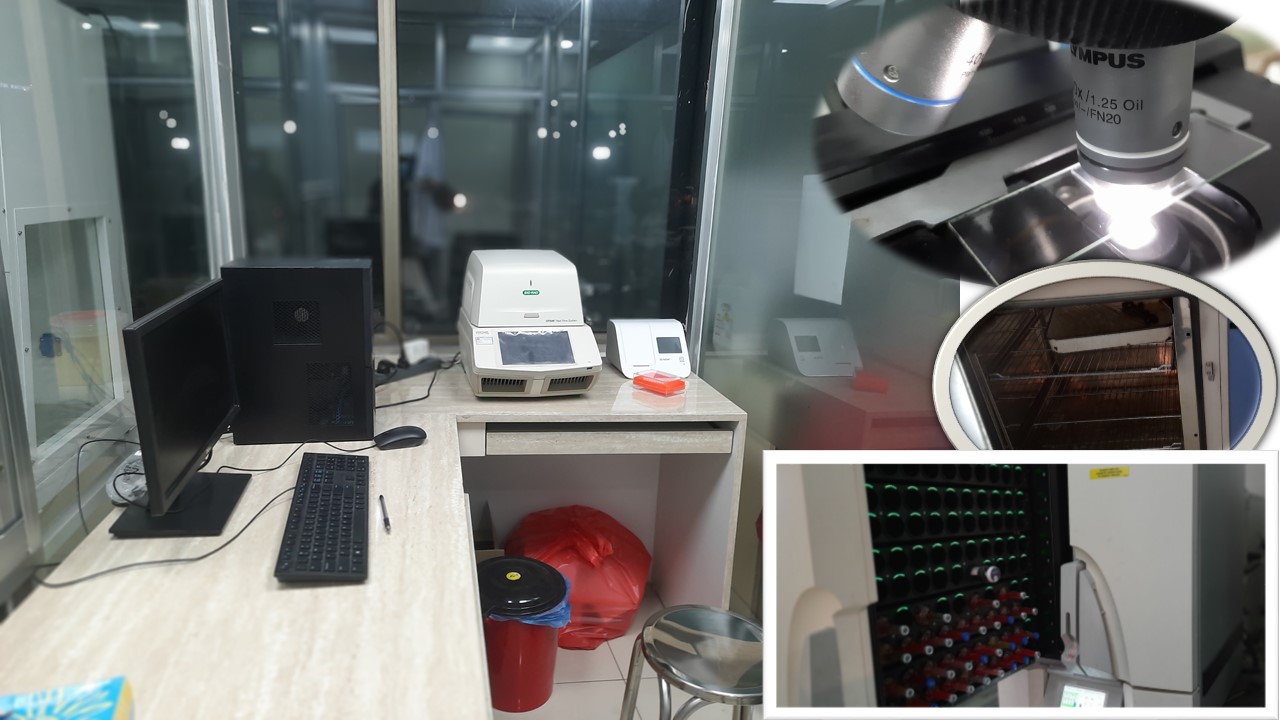
Laboratory Instruments and Equipment

Introduction of Laboratory Instruments and Equipment Laboratory Instruments and Equipment make laboratory work easy and fast. Here we discuss the instruments and equipment of the Department of Pathology and Laboratory Medicine that includes Clinical Haematology, Clinical Biochemistry, Histopathology and Cytology, Clinical Microbiology and Immunology, Blood …

Read more

Culture Media: Introduction, Common Ingredients, Types, Preparation, and Use of Common Culture Medium, Keynotes, and Related Images

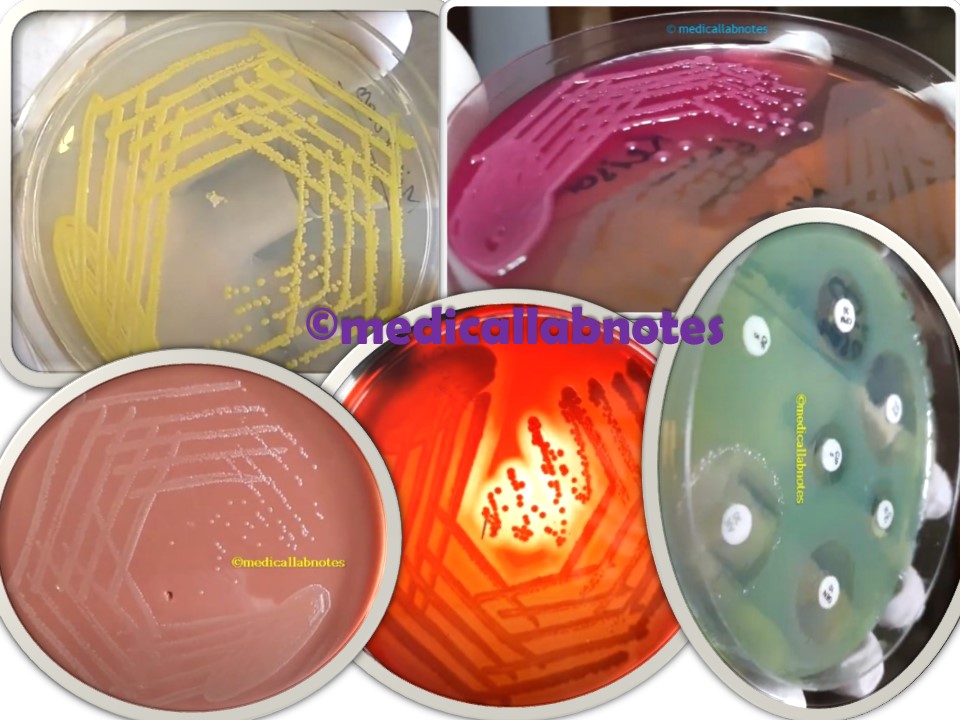
Culture media with variety of microbes-Micrococcus growth on nutrient agar (upper left), Lactose fermenting(Lf) and non-lactose fermenting (NLF) colonies of Gram negative bacteria colonies on MacConkey medium, Hameophilus influenzae colony morphology on chocolate agar(lower left), beta-hemolytic colonies of Staphylococcus aureus( middle), and Pseudomonas aeruginosa antibiogram pattern on Muller-Hinton agar(MHA)

Introduction of Culture Media Culture media are required to grow the organisms and they are generally from clinical specimens to identify the causative agent. Common Ingredients of Culture Media Common Ingredients of Culture Media and their basic constituents are as follows- Water: It is the …

Read more

Microbiology and More Gallery: Introduction, List of Photos, and Keynotes

Human Microbiome Agar Art

Introduction of Microbiology and More Gallery Microbiology and More Gallery is a random collection hub of microbes and laboratory medicine-related footage. This is the genuine work of the author. Most of the pictures are commonly those encountered by the laboratory personnel during their working period. …

Read more

Exotoxins and Endotoxins: Introduction, Differences, and Keynotes

Exotoxins and Endotoxins: Introduction, Differences, and Keynotes

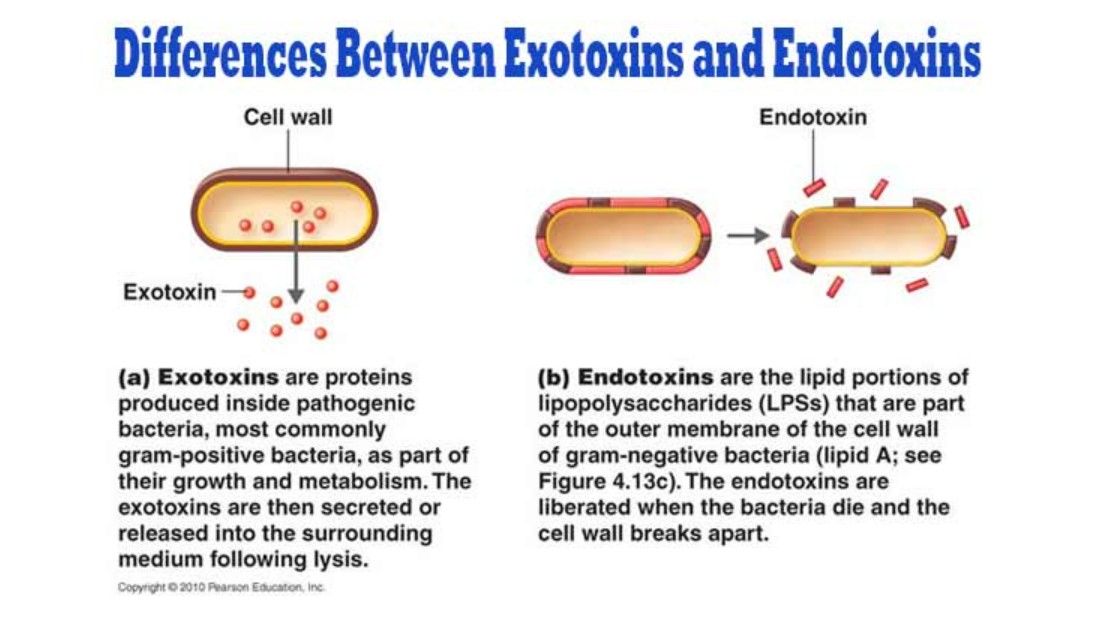
Introduction of Exotoxins and Endotoxins Numerous bacteria produce toxins, enzymes, and pigments. Toxins and enzymes play significant roles in pathogenicity. Toxins are of two types- Differences Between Exotoxins and Endotoxins The differences between exotoxins and endotoxins are as follows- S. No Exotoxins Endotoxins 1. Exotoxins …

Read more

Bacterial Endotoxin Detection by Chromogenic Method: Introduction, Principle, Product Characteristics, and Keynotes

Bacterial Endotoxin Detection by Chromogenic Method: Introduction, Principle, Product Characteristics, and Keynotes

Introduction of Bacterial Endotoxin Detection by Chromogenic Method Bacterial Endotoxin Detection by Chromogenic Method uses for screening and diagnosis of Gram-negative bacterial infection with a low limit of detection is 1 pg/ml (0.005EU/ml). It also applies to the quantitative detection of endotoxin in pharmaceutical and …

Read more