Ascaris lumbricoides-Introduction, Morphology, Pathogenicity, Lab Diagnosis, Treatment, Prevention, and Keynotes

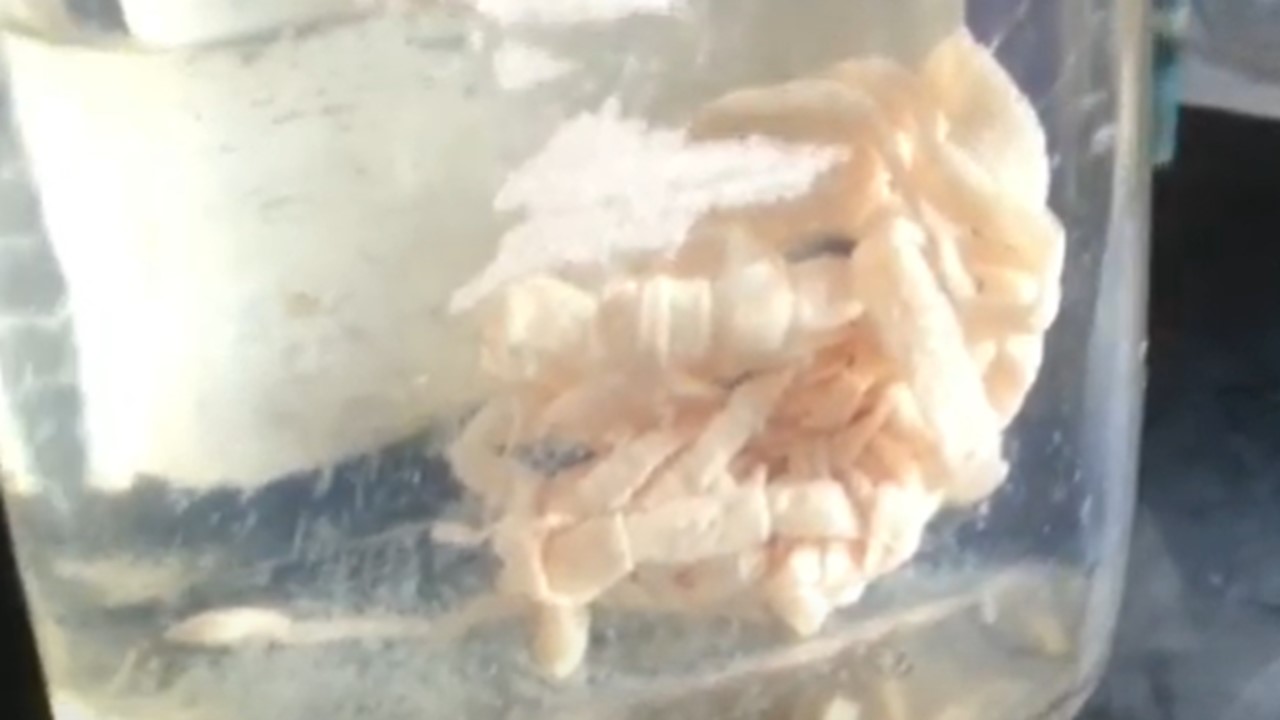
Adult Ascaris lumbricoides (roundworm)

Introduction Ascaris lumbricoides, commonly known as the “giant roundworm,” is a parasitic nematode (roundworm) that infects the intestines of humans. It is one of the most prevalent and widespread parasitic infections in the world, particularly in areas with poor sanitation and hygiene practices. Here is …

Read more

Brain Natriuretic Peptide (BNP) Test-Introduction, Test Result, Unit, Reference Range, Test Methods, Clinical Significance, and Keynotes

Introduction The Brain Natriuretic Peptide (BNP) test is a medical diagnostic tool used to assess the functioning of the heart, specifically in the evaluation of heart failure. BNP is a hormone produced by the heart in response to increased pressure and stretching of heart muscle …

Read more

Osteocalcin Test-Introduction, Test Result, Unit, Reference Range, Test Methods, Clinical Significance, and Keynotes

Introduction The osteocalcin test, also known as the bone Gla-protein or BGP test, is a medical diagnostic tool used to measure the levels of osteocalcin in the blood. Osteocalcin is a protein primarily produced by osteoblasts, which are cells responsible for bone formation. This test …

Read more

Micrococcus luteus-Introduction, Morphology, Pathogenicity, Lab Diagnosis, Treatment, Prevention, and Keynotes

Micrococcus luteus colony morphology on Nutrient agar

Introduction Micrococcus luteus, often simply referred to as M. luteus, is a Gram-positive, spherical bacterium belonging to the genus Micrococcus. This bacterium is commonly found in various environments, including soil, dust, water, and on the human skin. Micrococcus species are known for their distinctive yellow …

Read more

Bacterial Vaginosis (BV)-Introduction, Types, Signs and Symptoms, Common Pathogens, Laboratory Diagnosis, Treatment, Prevention and Control, and Keynotes

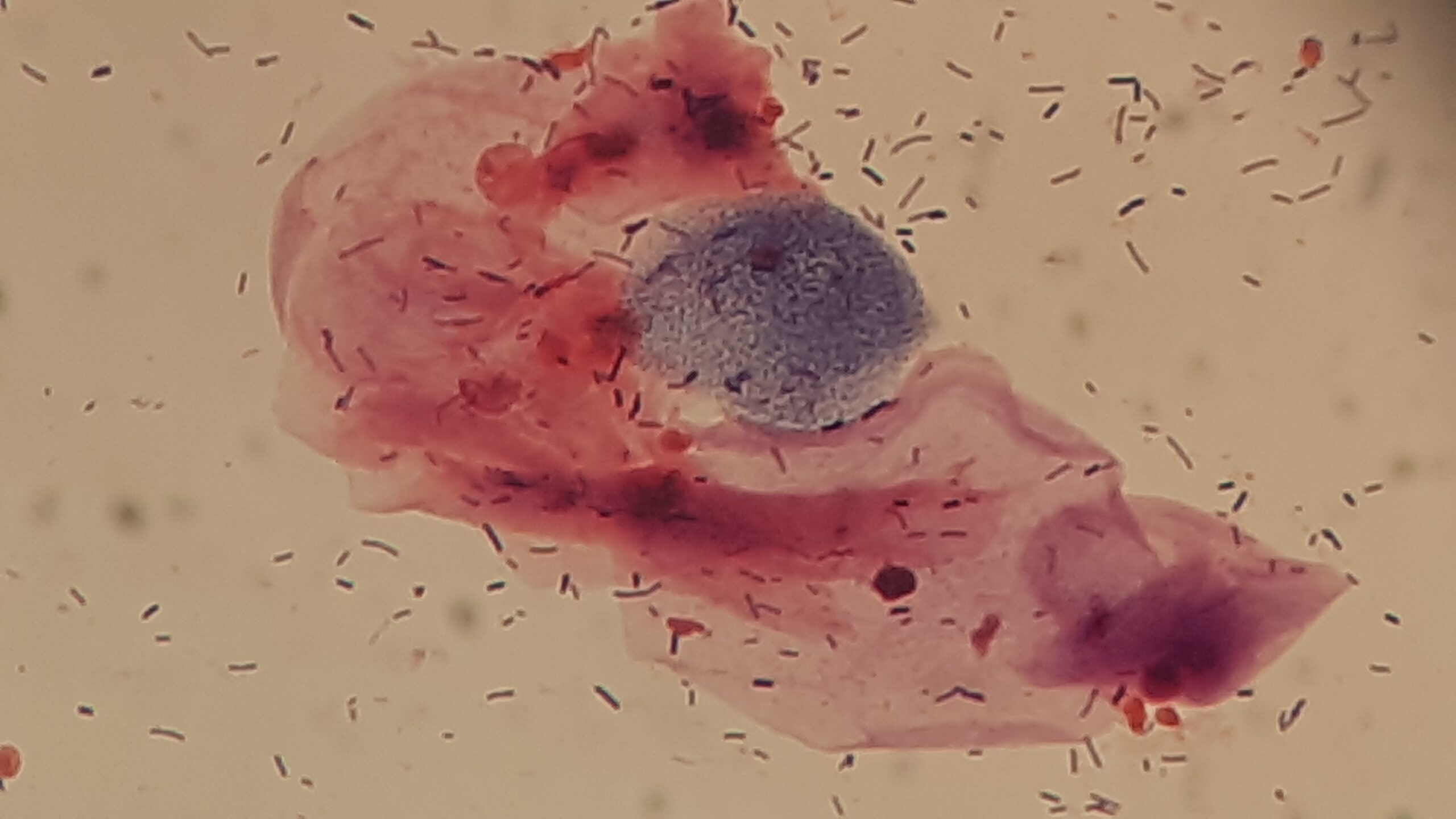
Suspected Bacterial Vaginosis Vaginal Swab in Gram Staining Microscopy at a Magnification of 4000X

Introduction Bacterial Vaginosis (BV) is a common vaginal infection characterized by an imbalance in the vaginal microbiota, leading to the overgrowth of certain types of bacteria. It is a condition that primarily affects individuals with female reproductive anatomy and can lead to a range of …

Read more

K. oxytoca-Introduction, Morphology, Pathogenicity, Lab Diagnosis, Treatment, Prevention, and Keynotes

K. oxytoca growth on CLED agar

Introduction Klebsiella oxytoca, often abbreviated as K. oxytoca, is a species of gram-negative, rod-shaped bacterium belonging to the Enterobacteriaceae family. This bacterium is closely related to Klebsiella pneumoniae, another well-known member of the same genus. It is a versatile microorganism that can be found in …

Read more

Morganella morganii- Introduction, Morphology, Pathogenicity, Lab Diagnosis, Treatment, Prevention, and Keynotes

Morganella morganii on CLED agar of Urine Culture

Introduction Morganella morganii is a species of gram-negative bacteria belonging to the family Enterobacteriaceae. This bacterium is named after the American bacteriologist, Thomas J. Morgan. It is commonly found in various environments, including soil, water, and the gastrointestinal tracts of humans and animals. While it …

Read more

Micrococcus roseus-Introduction, Morphology, Pathogenicity, Lab Diagnosis, Treatment, Prevention, and Keynotes

Micrococcus roseus-Introduction, Morphology, Pathogenicity, Lab Diagnosis, Treatment, Prevention, and Keynotes

Introduction Micrococcus roseus is a species of bacteria belonging to the genus Micrococcus. This microorganism is known for its distinctive pink to red pigmentation, which is a result of carotenoid pigments present in its cells and it is a Gram-positive, non-motile, and non-spore-forming bacterium. It …

Read more