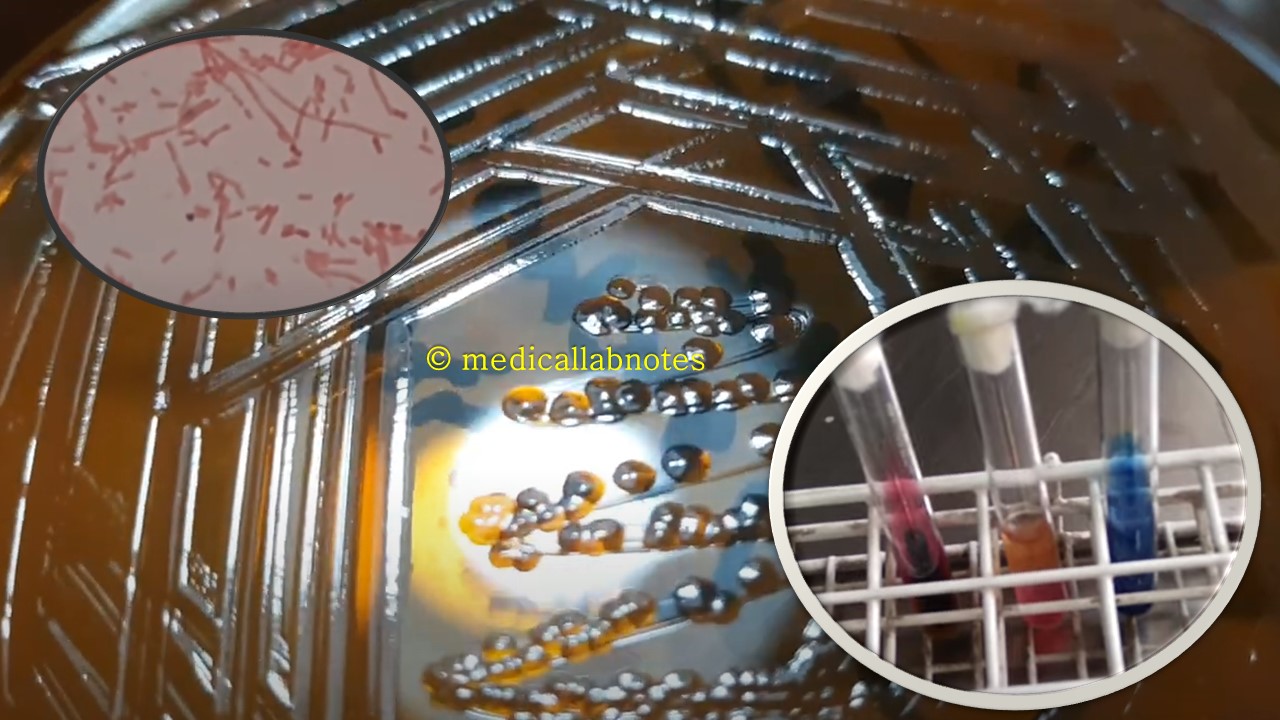
Foley Catheter Culture and Sensitivity- Introduction, Report, Clinical Significance, Common Pathogens, and Keynotes

Foley Catheter Culture and Sensitivity- Introduction, Report, Clinical Significance, Common Pathogens, and Keynotes

Introduction The Foley catheter culture and sensitivity test identifies bacteria from catheterized urine samples. Additionally, it detects infections linked to catheter use. Furthermore, clinicians order the test for precise diagnosis. Moreover, the test distinguishes contamination from true infection. Consequently, it improves patient management. Report The …

Read more

Urine Culture and Sensitivity: Introduction, Report, Clinical Significance, Common Pathogens, and Keynotes

Urine routine examination showing numerous pus cells and bacteria -urinary tract infection (UTI) due to bacteria

Introduction Urine culture and sensitivity is a medical diagnostic test used to identify and quantify the microorganisms present in a urine sample and determine their sensitivity to various antibiotics. It is a crucial procedure in diagnosing urinary tract infections (UTIs) and guiding appropriate treatment. Here’s …

Read more

Extended Spectrum Beta-Lactamase (ESBL): Introduction, List of Bacteria, Pathogenicity, Symptoms, Lab Diagnosis, Treatment, Prevention, and Keynotes

Extended spectrum beta lactamase (ESBL) detection using Double-Disc Synergy Test (DDST)

Introduction ESBL stands for Extended-Spectrum Beta-Lactamase. It refers to a group of enzymes produced by certain types of bacteria that can break down and inactivate a broad range of antibiotics called beta-lactams. Beta-lactams include commonly used antibiotics like penicillins, cephalosporins, and carbapenems. ESBL-producing bacteria are …

Read more

Biochemical Test of Gram-Negative Bacteria: Introduction, Common Tests, List of Organisms, Keynotes, and Some Related Footages

Biochemical Test of Gram-Negative Bacteria: Introduction, Common Tests, List of Organisms, Keynotes, and Some Related Footages

Introduction of Biochemical Test of Gram-Negative Bacteria Gram-negative bacteria are the most common etiological agents which are responsible for bacterial infections as well as viral co-infections. Clinical Microbiology Laboratory generally becomes busy due to those isolates. The need for ‘Biochemical Test of Gram-Negative Bacteria’ is …

Read more

Proteus mirabilis: Introduction, Identification Features, Keynotes, and Proteus Footages

Proteus mirabilis-Introduction, Identification Features, Keynotes, and Proteus Footages

Introduction of Proteus mirabilis The genus Proteus was discovered in 1885 by Hauser and it is also named after a Greek god.  Proteus is a member of the family, Enterobacteriaceae and it is a Gram-negative, oxidase-negative, fimbriated, motile, non-sporing rod-shaped bacterium without capsule and having a size …

Read more