Clinical Laboratory Gallery: Introduction, Contents, and Brief Description of Photos
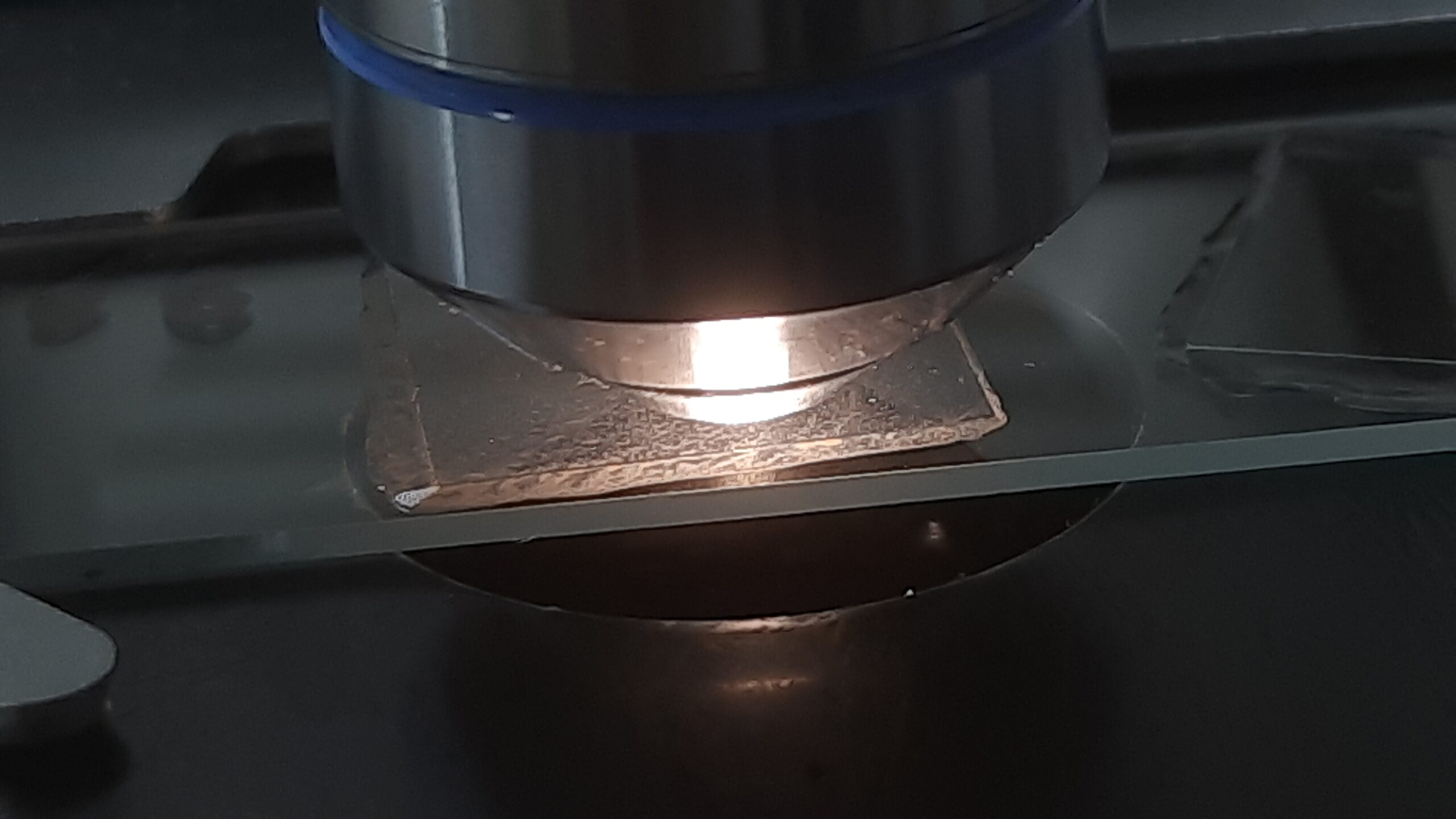
Wet Mount Microscopy-Ready slide for observation

Introduction ‘Clinical Laboratory Gallery’ is a collection of genuine photos regarding stream of Clinical Laboratory like Stool and Urine Section (SUS), Phlebotomy, Clinical Haematology, Clinical Biochemistry, Blood Banking and Transfusion medicine, Microbiology and Immunology, Cytology and Histopathology, and Molecular Biology. Contents Collection of images are …

Read more

Polymerase Chain Reaction (PCR): Introduction, Principle, Types, Application, and Keynotes

Amplicons or DNA or RNA fragments of amplification or replication events

Introduction Polymerase Chain Reaction, commonly known as PCR, is a powerful and widely used molecular biology technique that allows for the amplification of specific DNA sequences. Developed by Kary B. Mullis in 1983, PCR revolutionized the field of genetics and has become an essential tool …

Read more

Chemiluminescent Immunoassay (CLIA) Analyzer: Introduction, Principle, Test Requirements, Handling Procedure, Uses, and Keynotes

Chemiluminescent Immunoassay (CLIA) Analyzer: Introduction, Principle, Test Requirements, Handling Procedure, Uses, and Keynotes

Introduction A chemiluminescent immunoassay (CLIA) analyzer is a diagnostic instrument used in clinical laboratories to perform immunoassays based on chemiluminescence detection. CLIA is a technique that utilizes the emission of light resulting from a chemical reaction to detect and quantify specific analytes present in a …

Read more

TB PCR for Sputum: Introduction, Test Result, Unit, Normal Range, Assaying Method, Clinical Significance, and Keynotes

TB PCR for Sputum-Mycobacterium tuberculosis Detected but Rifampicin Resistance not Detection

Introduction TB PCR (polymerase chain reaction) for sputum is a laboratory test used in the diagnosis of tuberculosis (TB). It is a molecular diagnostic technique that detects the presence of Mycobacterium tuberculosis (the bacterium that causes TB) DNA in sputum samples. Traditional methods of diagnosing …

Read more

abGenix Nucleic Acid Extractor: Introduction, Principle, Test Requirements, Test Procedure, Uses, and Keynotes

abGenix Nucleic Acid Extractor: Introduction, Principle, Test Requirements, Test Procedure, Uses, and Keynotes

Introduction Nucleic acid extraction is a fundamental step in molecular biology and genetics research, as well as in various diagnostic applications. It involves isolating and purifying DNA or RNA from biological samples, such as cells, tissues, blood, or other body fluids. This process allows for …

Read more

Bioer Automatic Nucleic Acid Purification Analyzer: Introduction, Principle, Test Requirements, Handling Procedure, Uses, and Keynotes

Bioer Automatic Nucleic Acid Purification Analyzer- Introduction, Principle, Test Requirements, Handling Procedure, Uses, and Keynotes

Introduction Bioer Automatic Nucleic Acid Purification Analyzer is an automated system designed to isolate and purify nucleic acid from various samples. It is manufactured by Bioer Technology Co., Ltd, a company based in China. The system utilizes magnetic bead technology and features a compact design …

Read more

4 Plus Channel qPCR Platforms: Introduction, Uses, and Keynotes

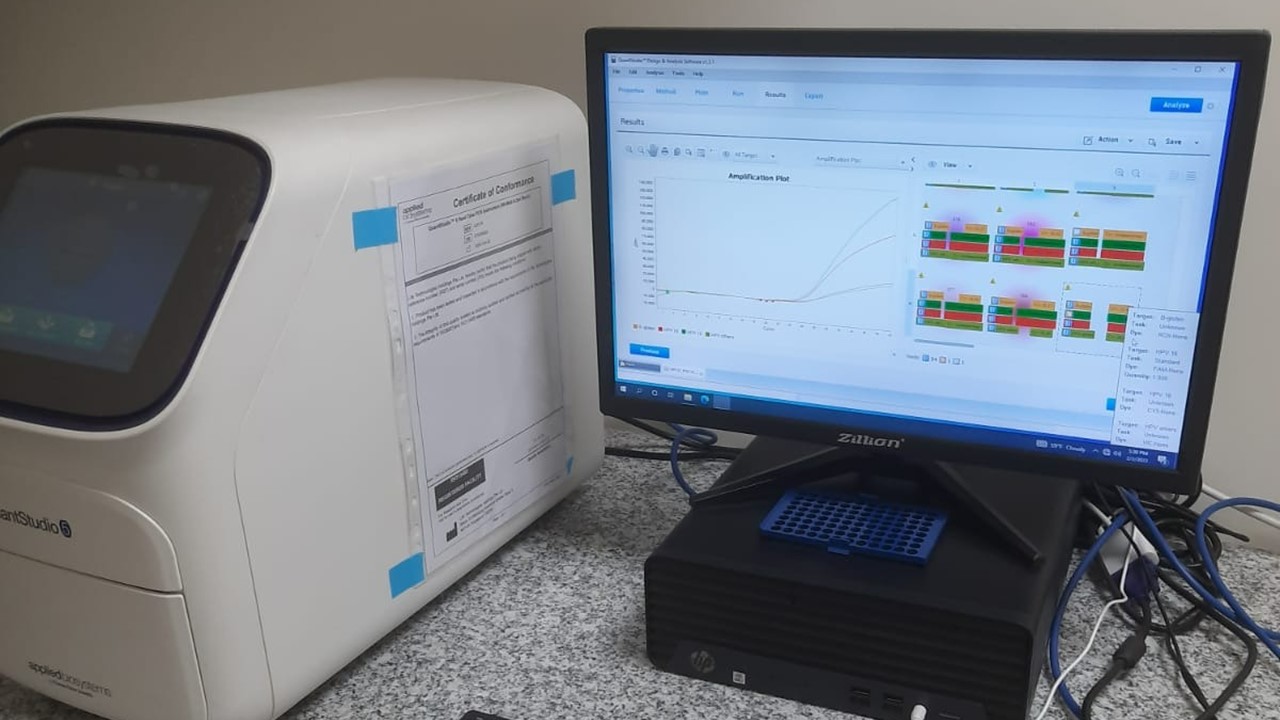
QuantStudio™ 5 Real-Time PCR System for Human Identification, 96-well, 0.2 mL, desktop

Introduction 4+ channel qPCR platforms refer to qPCR instruments that are capable of simultaneously detecting and quantifying multiple fluorescent signals from four or more different targets within a single reaction tube. These instruments are often used in gene expression studies, genotyping, and other applications where …

Read more

Pantoea: Introduction, Classification Morphology, Pathogenicity, Lab Diagnosis, Treatment, and Prevention

Pantoea in Gram Staining of Culture Microscopy at Magnification of 4000X

Introduction Pantoea is a genus of gram-negative bacteria that belong to the family Enterobacteriaceae. These bacteria are commonly found in soil, water, and plant surfaces, and some species are known to be associated with plants, animals, and humans as opportunistic pathogens. There are several species …

Read more