Enterococcus: Introduction, Morphology, Pathogenicity, Lab Diagnosis, Treatment, Prevention, and Keynotes

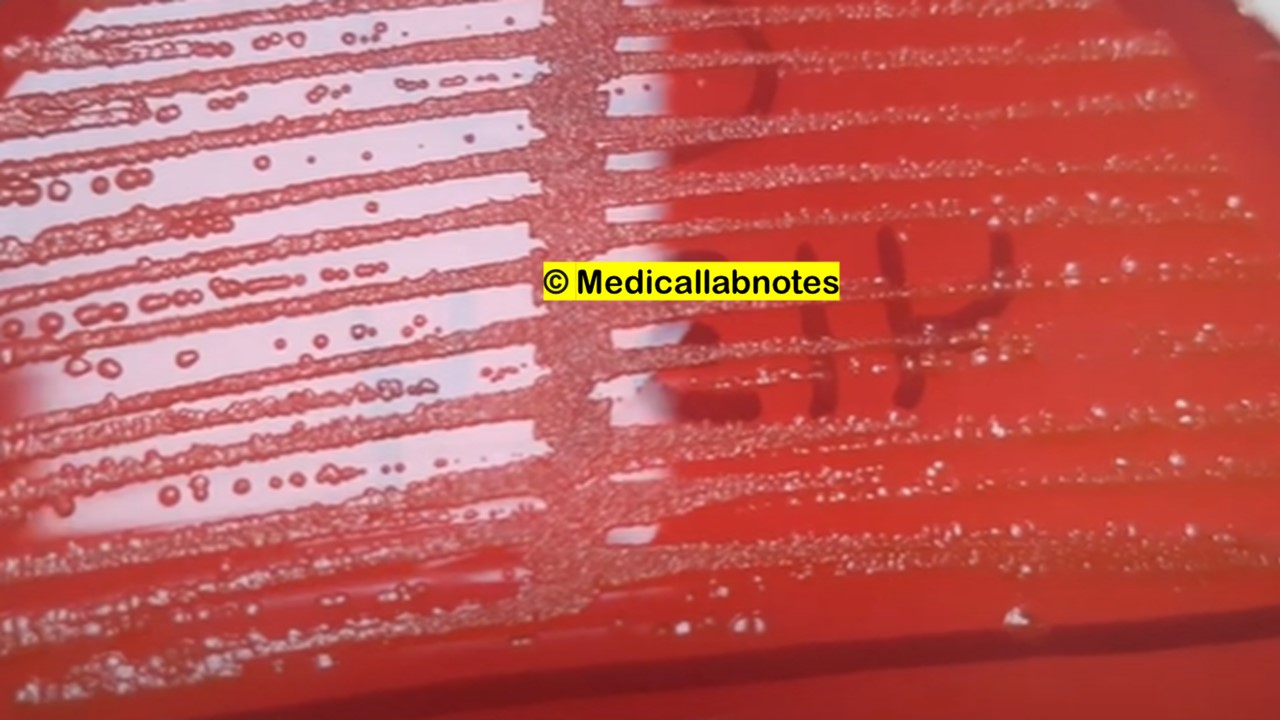
Enterococcus faecium colony characteristics on CLED agar of Urine Culture

Introduction Enterococcus is a genus of Gram-positive bacteria that are part of the normal microbial flora of humans and animals. They are facultative anaerobes, meaning they can survive in both the presence and absence of oxygen. Enterococcus species are known for their ability to thrive …

Read more

Antimicrobial Susceptibility Testing (AST): Introduction, Principle, Test Methods, Test Requirements, Procedure, and Result Interpretation, Application, and Keynotes

Antimicrobial Susceptibility Testing (AST): Introduction, Principle, Test Methods, Test Requirements, Procedure, and Result Interpretation, Application, and Keynotes

Introduction Antimicrobial Susceptibility Testing (AST) is a laboratory technique used to assess the effectiveness of antimicrobial agents, such as antibiotics, against specific microorganisms. The aim of AST is to determine the susceptibility or resistance of a microorganism to different antimicrobial drugs. This information is crucial …

Read more

Shigella sonnei: Introduction, Morphology, Pathogenicity, Lab Diagnosis, Treatment, Prevention, and Keynotes

Shigella sonnei in wet mount of Tryptone soy broth microscopy

Introduction Shigella sonnei is a bacterium that is responsible for causing shigellosis, a type of bacterial infection affecting the digestive system. Shigellosis is commonly characterized by symptoms such as diarrhea, abdominal pain, fever, and occasionally, bloody stools. It is a specific serotype of the Shigella …

Read more

Citrobacter freundii: Introduction, Morphology, Pathogenicity, Lab Diagnosis, Treatment, Prevention, and Keynotes

Citrobacter freundii growth on CLED agar of Urine Culture

Introduction Citrobacter freundii is a Gram-negative bacterium belonging to the Enterobacteriaceae family. It is commonly found in the environment, including soil, water, and the intestinal tracts of humans and animals. Citrobacter freundii is an opportunistic pathogen, meaning it can cause infections in individuals with weakened …

Read more

Morganella: Introduction, Morphology, Pathogenicity, Lab Diagnosis, Treatment, Prevention, and Keynotes

Morganella morganii Colony Morphology on CLED agar of Urine Culture

Introduction Morganella is a genus of bacteria belonging to the family Enterobacteriaceae. The genus was named after the bacteriologist John Morgan. Morganella species are gram-negative, rod-shaped bacteria that are commonly found in the environment, including soil, water, and sewage. One species of particular interest is …

Read more

Staphylococcus lentus: Introduction, Morphology, Pathogenicity, Lab Diagnosis, Treatment, Prevention, and Keynotes

Serratia ficaria on CLED Agar of Urine Culture

Introduction Staphylococcus lentus is a species of Gram-positive bacteria belonging to the genus Staphylococcus. It is classified as a coagulase-negative staphylococcus (CoNS), which means it does not produce the enzyme coagulase. CoNS are commonly found as part of the normal human skin and mucous membrane …

Read more

Serratia fonticola: Introduction, Morphology, Pathogenicity, Lab Diagnosis, Treatment,Prevention, and Keynotes

Gram negative bacilli or rods of Serratia fonticola in Bronchoalveolar lavage (BAL) sample Gram staining

Introduction Serratia fonticola is a Gram-negative bacterium that belongs to the genus Serratia. It was first isolated and described in 1998 from water samples in a freshwater spring in California, USA. Since its discovery, S. fonticola has been identified in various environmental sources, including soil, …

Read more

Enterococcus durans: Introduction, Classification, Morphology, Pathogenicity, Lab Diagnosis, Treatment, and Prevention

Enterococcus durans Colony Morphology on CLED Agar of Urine Culture

Introduction Enterococcus durans is a Gram-positive, facultative anaerobic bacterium that belongs to the family Enterococcaceae. It is commonly found in the gastrointestinal tract of humans and animals, as well as in soil and water. It is known for its ability to survive in harsh environments, …

Read more