Shewanella: Introduction, Morphology, Pathogenicity, Lab Diagnosis, Treatment, Prevention, and Keynotes

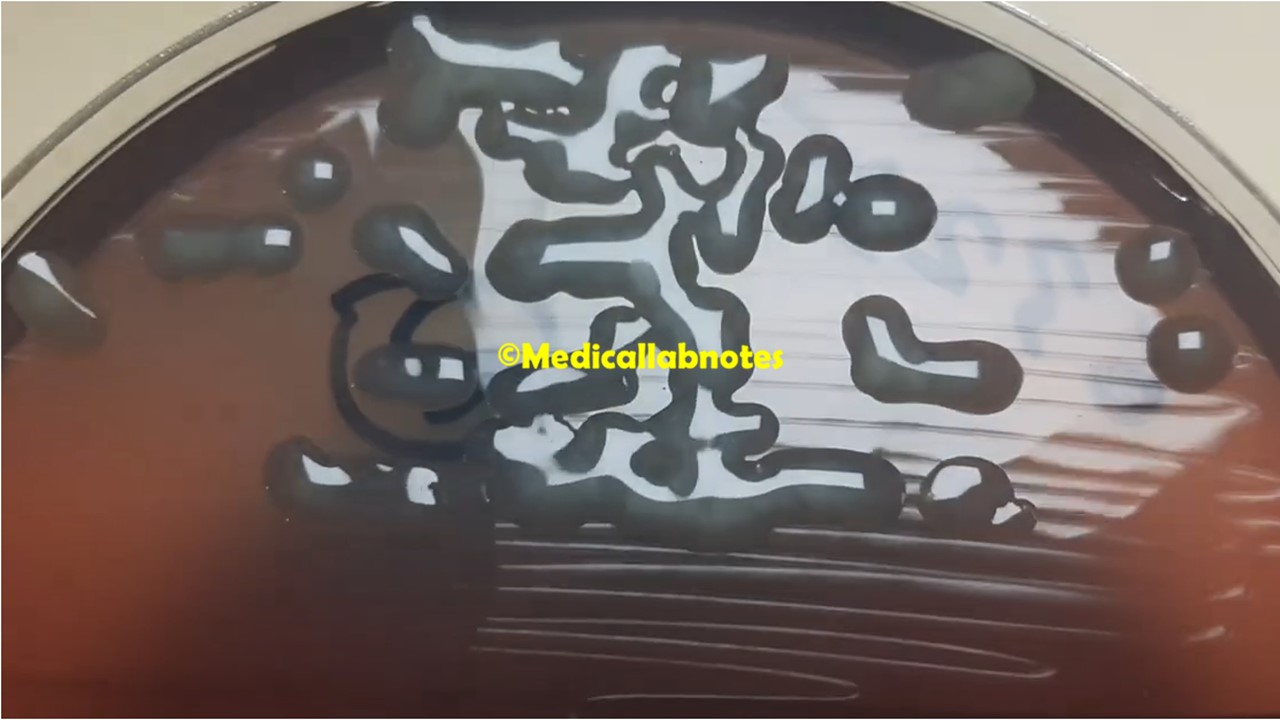
Shewanella species colony characteristics on Muller-Hinton agar (MHA)

Introduction Shewanella is a genus of Gram-negative, facultative anaerobic bacteria that belongs to the family Shewanellaceae. These bacteria are known for their remarkable versatility and adaptability to a wide range of environmental conditions. They were first discovered in 1980 by researchers studying microbial fuel cells, …

Read more

Clostridium: Introduction, Morphology, Pathogenicity, Lab Diagnosis, Treatment, Prevention, and Keynotes

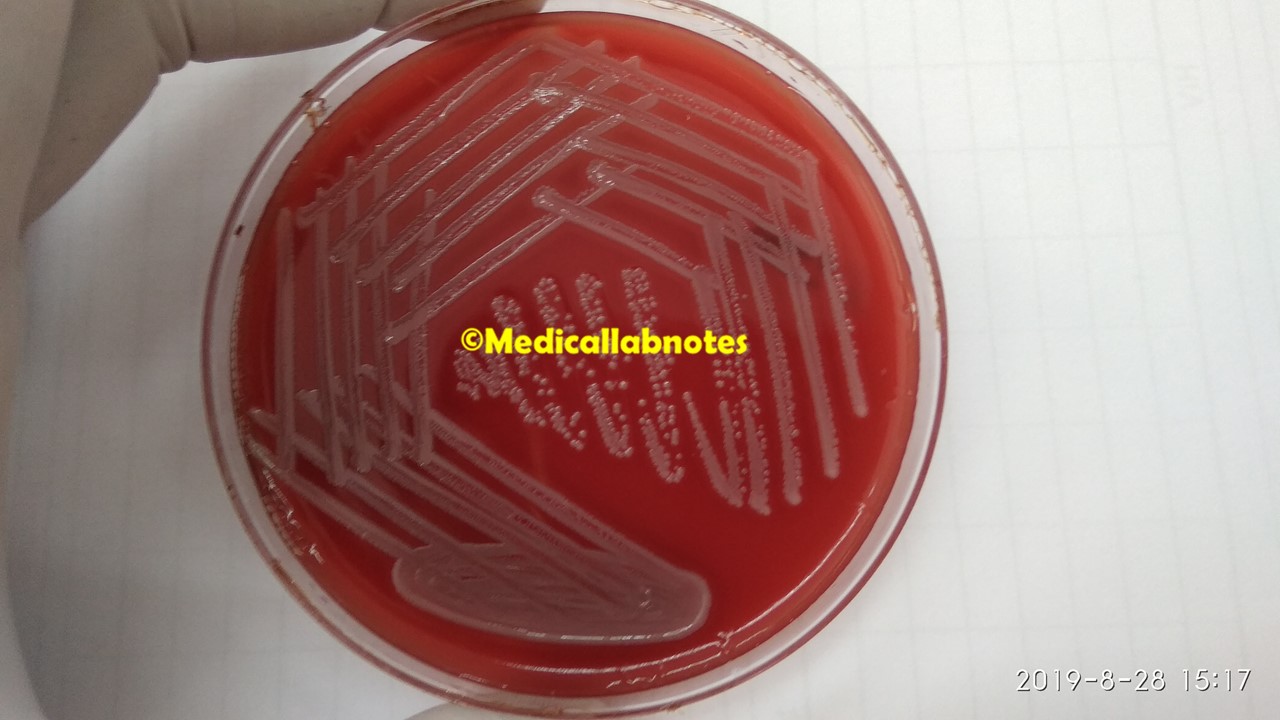
Clostridium growth on blood agar under anaerobic condition of 48 hours- inhibition of growth around metronidazole but no effect towards gentamicin

Introduction Clostridium is a genus of Gram-positive, rod-shaped, spore-forming bacteria that belongs to the phylum Firmicutes. These bacteria are anaerobic, meaning they can thrive in environments devoid of oxygen. The name “Clostridium” is derived from the Greek word “kloster,” which means spindle, referring to their …

Read more

Streptococcus pyogenes: Introduction, Morphology, Pathogenicity, Lab Diagnosis, Treatment, Prevention, and Keynotes

Streptococcus pyogenes colony morphology on blood agar

Introduction Streptococcus pyogenes, also known as Group A Streptococcus (GAS), is a gram-positive, spherical bacterium that belongs to the Streptococcaceae family. It is one of the most common and important human pathogens, responsible for a wide range of infections in humans. This bacterium is typically …

Read more

Citrobacter koseri: Introduction, Morphology, Pathogenicity, Lab Diagnosis, Treatment, Prevention, and Keynotes

Mucoid colony of Citrobacter koseri on CLED agar of urine specimen

Introduction Citrobacter koseri, formerly known as Citrobacter diversus, is a gram-negative bacterium belonging to the Enterobacteriaceae family. It is a facultative anaerobe, meaning it can grow both in the presence and absence of oxygen. The species name “koseri” is a tribute to the bacteriologist Leo …

Read more

Methicillin-resistant Staphylococcus aureus (MRSA): Introduction, Morphology, Pathogenicity, Symptoms, Lab Diagnosis, Treatment, Prevention, and Keynotes

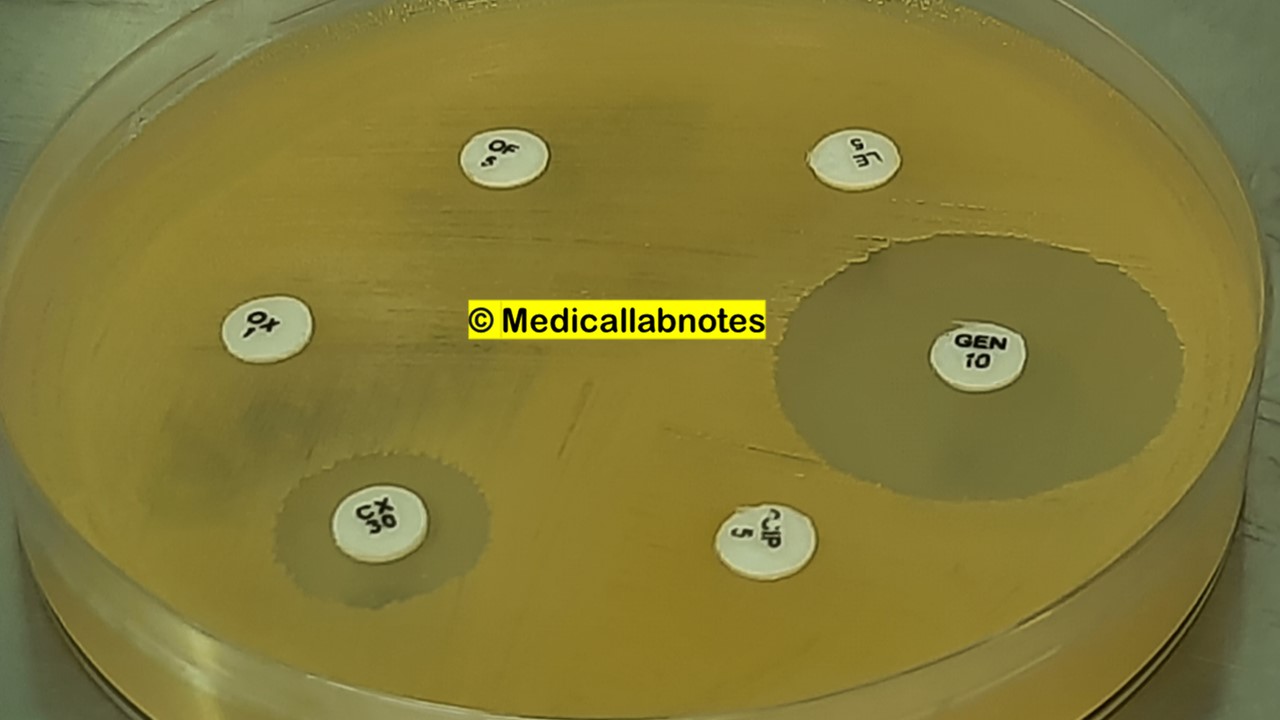
Nasal Methicillin-resistant Staphylococcus aureus (MRSA) Carriage expressing Cefoxitin and Oxacillin Resistance on Muller-Hinton agar (MHA)

Introduction Methicillin-resistant Staphylococcus aureus, commonly known as MRSA, is a type of bacteria that has developed resistance to multiple antibiotics, including methicillin and other beta-lactam antibiotics like penicillin and cephalosporins. Staphylococcus aureus is a bacterium that can naturally colonize the skin and mucous membranes of …

Read more

Pseudomonas aeruginosa: Introduction, Morphology, Pathogenicity, Lab Diagnosis, Treatment, Prevention, and Keynotes

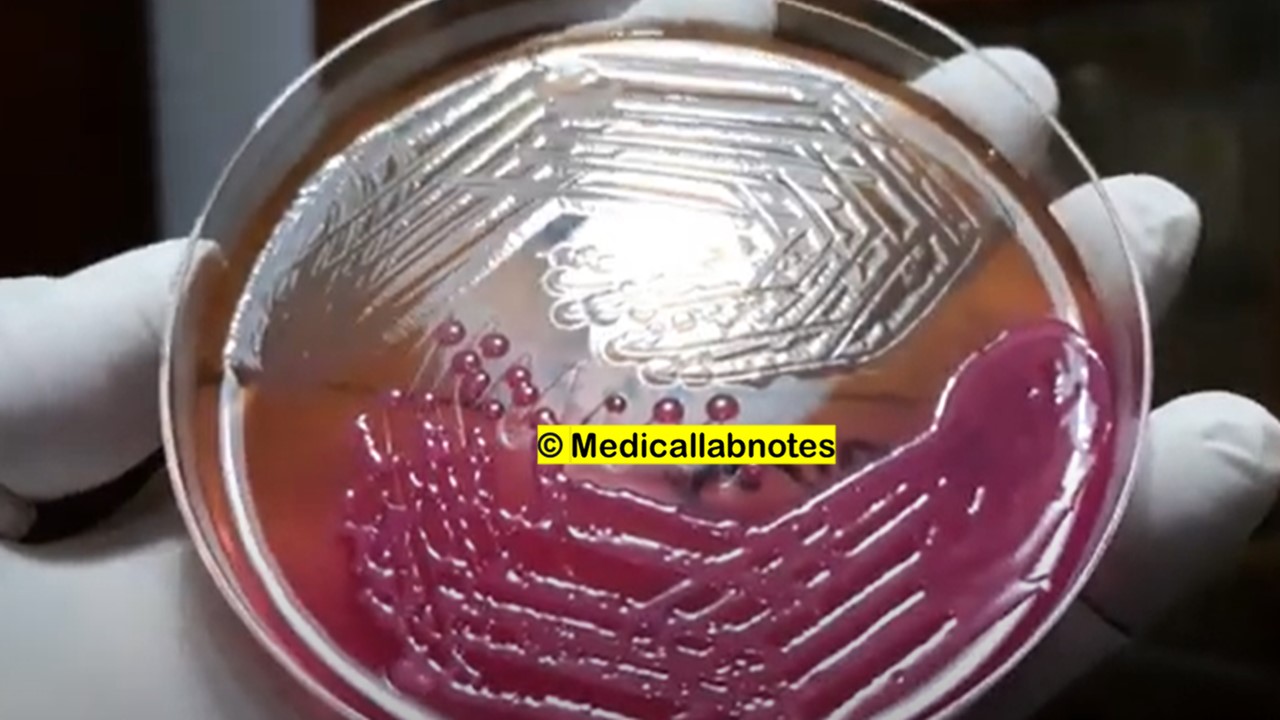
Pseudomonas aeruginosa non-lactose fermenting (NLF) colony and mucoid lactose fermenting colony of Klebsiella pneumoniae on MacConkey medium

Introduction Pseudomonas aeruginosa is a Gram-negative bacterium that is widely distributed in nature and is known for its versatility and adaptability. It is an opportunistic pathogen capable of causing infections in humans, particularly in individuals with weakened immune systems or underlying medical conditions. P. aeruginosa …

Read more

Shigella sonnei: Introduction, Morphology, Pathogenicity, Lab Diagnosis, Treatment, Prevention, and Keynotes

Shigella sonnei in wet mount of Tryptone soy broth microscopy

Introduction Shigella sonnei is a bacterium that is responsible for causing shigellosis, a type of bacterial infection affecting the digestive system. Shigellosis is commonly characterized by symptoms such as diarrhea, abdominal pain, fever, and occasionally, bloody stools. It is a specific serotype of the Shigella …

Read more

Morganella: Introduction, Morphology, Pathogenicity, Lab Diagnosis, Treatment, Prevention, and Keynotes

Morganella morganii Colony Morphology on CLED agar of Urine Culture

Introduction Morganella is a genus of bacteria belonging to the family Enterobacteriaceae. The genus was named after the bacteriologist John Morgan. Morganella species are gram-negative, rod-shaped bacteria that are commonly found in the environment, including soil, water, and sewage. One species of particular interest is …

Read more