Urine Microscopy: Introduction, Principle, Test Requirements, Procedure, Findings, Clinical Significance, and Keynotes

Epithelial Cells in Urine Microscopy at 1600X Magnification

Introduction Urine microscopy is a laboratory diagnostic method used to examine the microscopic components of urine sediment. It helps detect cells, crystals, casts, microorganisms, and other formed elements. This test is critical in the diagnosis of urinary tract infections (UTIs), renal diseases, systemic disorders, and …

Read more

Fat Globules vs Cells in Ascitic Fluid Microscopy: Introduction, Comparison, and Keynote

Photomicrograph of fat globules and cells in perotionieal fluid at a magnification of 1600X

Introduction Microscopic evaluation of ascitic fluid is an essential step in differentiating between benign lipid material and pathological cellular elements. The distinction between fat globules and cells is critical because both may appear as rounded structures, yet their origin, clinical significance, and interpretation differ significantly. …

Read more

Autoclave Tape-Introduction, Principle, Testing Procedure, Result-Interpretation, and Keynotes

Autoclave tape before autoclaving

Introduction Autoclave tape is a commonly used chemical indicator in microbiology and clinical laboratories to monitor sterilization by steam autoclaves. It provides a visual confirmation that the materials have been exposed to specific sterilization conditions. While it does not prove sterility, it is an essential …

Read more

Wade-Fite stain:Introduction, Principle, Test Requirements, Staining Procedure, Result Interpretation,and Keynotes

Wade-Fite stain:Introduction, Principle, Test Requirements, Staining Procedure, Result Interpretation,and Keynotes

Introduction The Ziehl-Neelsen stain, also known as the Wade-Fite stain, is a modified acid-fast staining technique specifically used to detect Mycobacterium leprae in tissue sections, particularly skin biopsies. It preserves the lipid-rich capsule of M. leprae, which is essential for its identification. It is a …

Read more

MB-Redox Medium-Introduction, Principle, Clinical Significance, Advantage, Disadvantage, and Keynotes

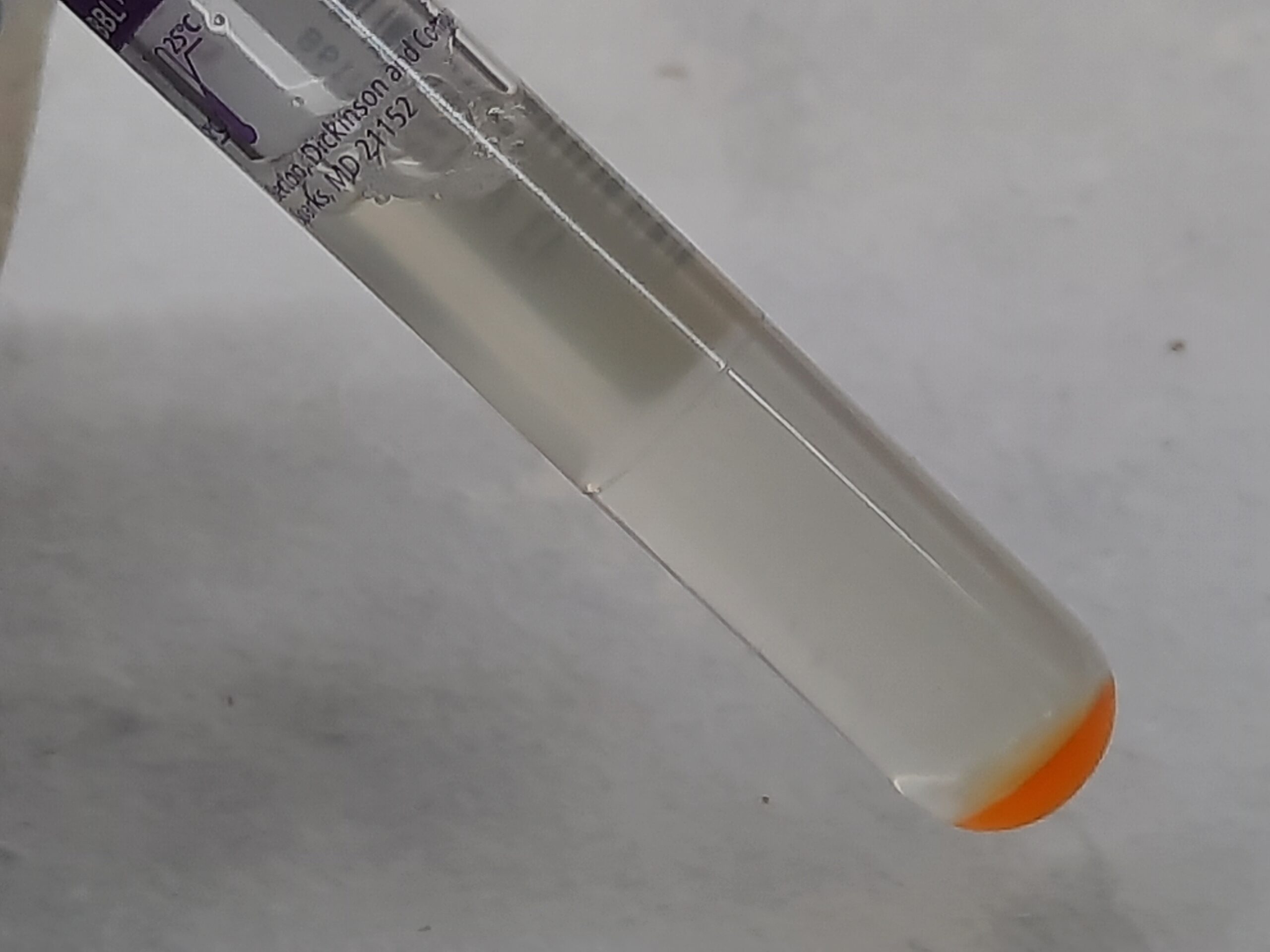
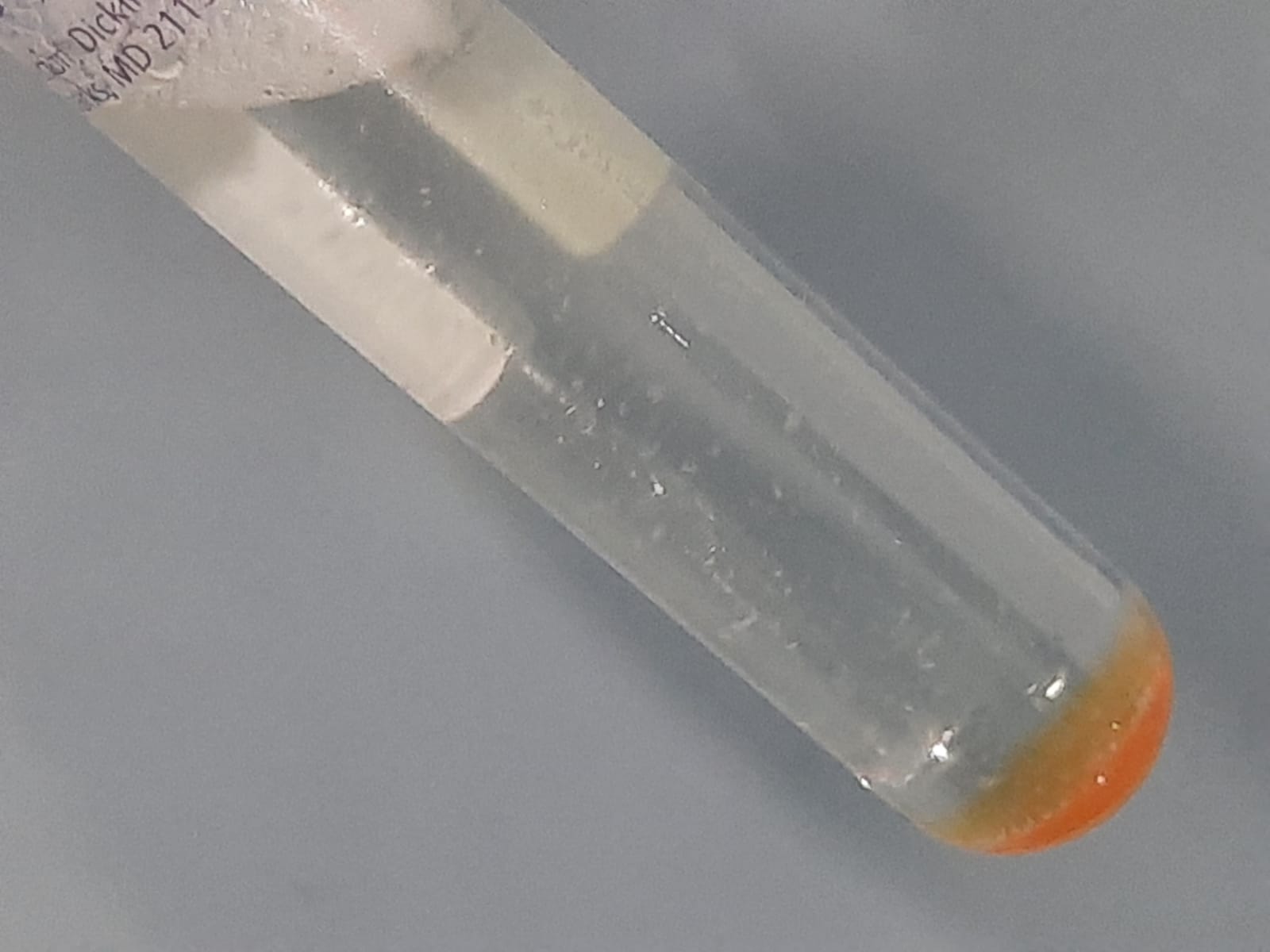
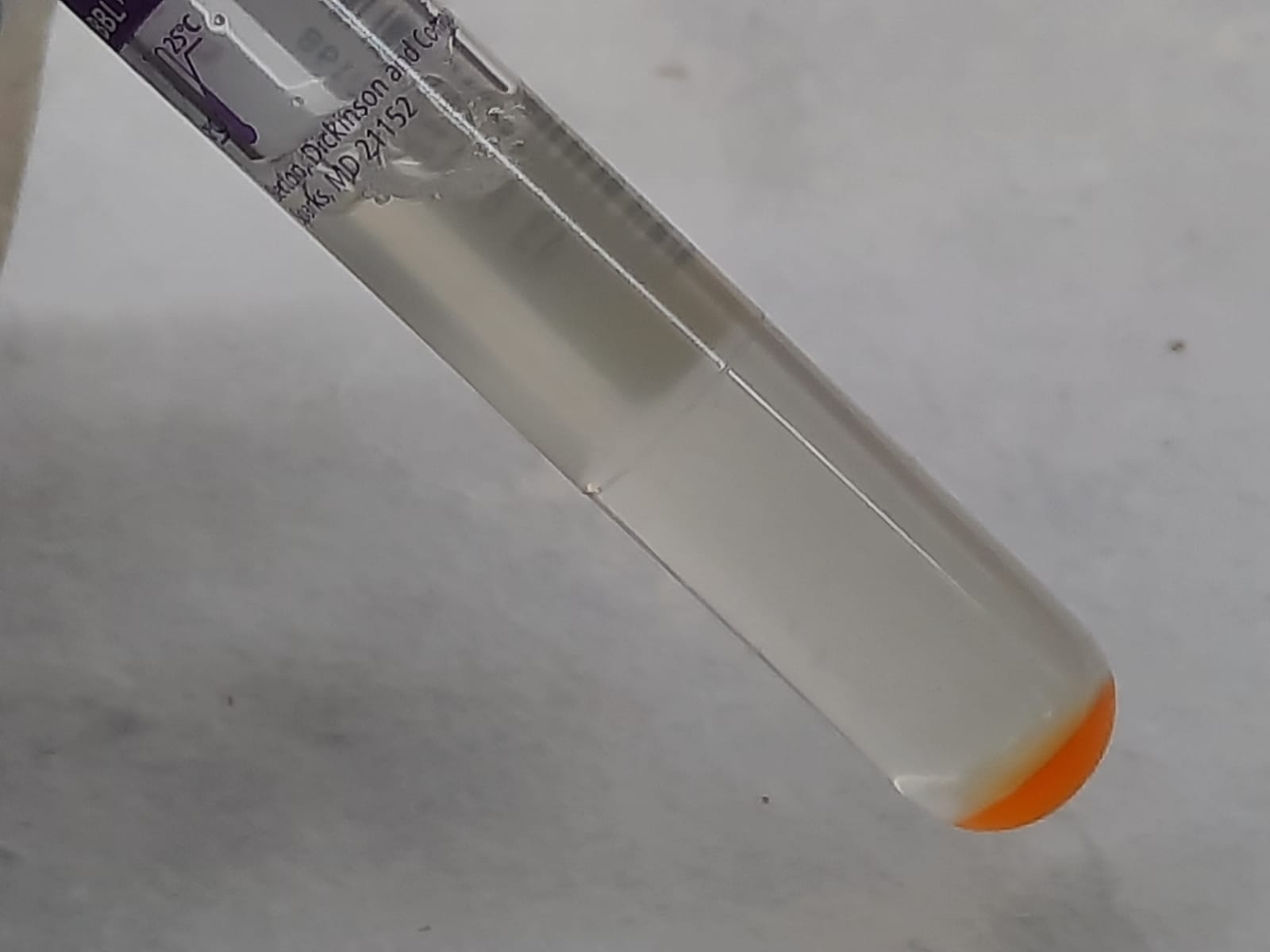
Introduction MB-Redox Medium (Mycobacteria-Redox Medium) is a liquid culture medium designed for the rapid growth and detection of Mycobacteria, particularly Mycobacterium tuberculosis. It incorporates redox indicators that change color based on microbial metabolic activity, providing a visual cue for bacterial growth. It is increasingly used …

Read more

Grocott’s Methenamine Silver (GMS) Staining of Mycobacteria:Introduction, Principle, Clinical Significance, Advantage, Disadvantage, and Keynotes

Introduction Grocott’s Methenamine Silver (GMS) stain is a histochemical staining method primarily used to detect fungi in tissue sections. However, it can also stain certain acid-fast organisms like Mycobacteria, especially in tissue biopsies where standard Ziehl-Neelsen or fluorescent stains may miss them. The technique enhances …

Read more

Carbol-Nachtblau Staining of Mycobacteria-Introduction, Principle, Clinical Significance, Advantage, Disadvantage, and Keynotes

Introduction Carbol-Nachtblau (Midnight Blue) staining is a modified acid-fast staining technique used for the visualization of Mycobacteria, particularly Mycobacterium tuberculosis. This method replaces the traditional counterstain (like methylene blue) with Nachtblau, producing a vivid contrast between blue background cells and bright red acid-fast bacilli (AFB), …

Read more

Immunofluorescent Detection of Mycobacteria Using Polyclonal Anti-BCG Antibody Staining: Introduction, Principle, Clinical Significance, Advantage, Disadvantage, and Keynotes

Introduction Immunofluorescent staining with polyclonal anti-BCG antibodies is a rapid and specific technique used to detect Mycobacterium species, particularly in clinical and research settings. These antibodies recognize antigenic components of Mycobacterium bovis BCG strain and cross-react with members of the M. tuberculosis complex. The method …

Read more