Bronchoalveolar lavage (BAL) Gram stain: Introduction, Report-Interpretation, Clinical Significance, and Keynotes

Gram negative cocobacilli in Gram staining of BAL and pus cells

Introduction Bronchoalveolar lavage (BAL) is a diagnostic procedure used to collect specimens from the lower respiratory tract, particularly from the alveolar spaces. It is performed by instilling sterile saline into a segment of the lung via a bronchoscope and then aspirating it back. Gram staining …

Read more

Throat Swab Gram stain: Introduction, Report-Interpretation, Clinical Significance, and Keynotes

Gram positive and Gram negative bacteria in throat swab Gram stain photomicrograph at a magnification of 4000X

Introduction A throat swab Gram stain is a rapid, initial diagnostic test performed on specimens collected from the oropharynx or tonsillar region. It helps to identify bacterial flora, pathogens, and inflammatory response. While culture and molecular methods provide definitive diagnosis, Gram staining offers early guidance …

Read more

Acinetobacter ursingii: Introduction, Morphology, Pathogenicity, Lab Diagnosis, Treatment, Prevention, and Keynote

Introduction Acinetobacter ursingii is a Gram-negative, non-fermentative, opportunistic bacterium belonging to the genus Acinetobacter. It is an uncommon species compared to Acinetobacter baumannii, but it has been increasingly recognized in healthcare-associated infections (HAIs). Reported cases include bacteremia, septicemia, pneumonia, urinary tract infections, and bloodstream infections, …

Read more

Multiplex PCR assay-Directly on Respiratory samples:Introduction, Principle, Clinical Significance, and Keynotes

Introduction Respiratory tract infections are caused by a wide range of pathogens, including viruses, bacteria, and fungi. Conventional diagnostic methods such as culture, microscopy, and antigen detection are time-consuming and often lack sensitivity. Multiplex polymerase chain reaction (PCR) assays, applied directly to respiratory samples (sputum, …

Read more

Ascitic Fluid Microscopy: Introduction, Principle, Test Requirements, Procedure, Finding, Clinical Significance, and Keynotes

Collected Ascitic Fluid

Introduction Ascitic fluid microscopy is a laboratory diagnostic method used to examine peritoneal (ascitic) fluid obtained via paracentesis. It helps in identifying cells, microorganisms, and crystals that provide clues about underlying causes such as infection, malignancy, liver disease, or systemic disorders. Principle The principle of …

Read more

Pleural Fluid Microscopy: Introduction, Principle, Test Requirements, Procedure, Finding, Clinical Significance, and Keynotes

Collected Pleural Fluid-

Introduction Pleural fluid is the liquid collected from the pleural space between the lung and chest wall. Microscopic examination of pleural fluid plays a key role in identifying the underlying cause of pleural effusion. It helps distinguish between transudates and exudates, detect infectious organisms, malignant …

Read more

Root Canal Treatment (RCT): Introduction, Principle, Procedure, Clinical Significance, and Keynotes

Tooth before doing root canal treatment (RCT)

Introduction Root Canal Treatment (RCT) is a dental procedure aimed at preserving a tooth that has been severely damaged or infected due to decay, trauma, or pulp disease. Instead of extracting the tooth, RCT involves cleaning, shaping, disinfecting, and sealing the root canal system to …

Read more

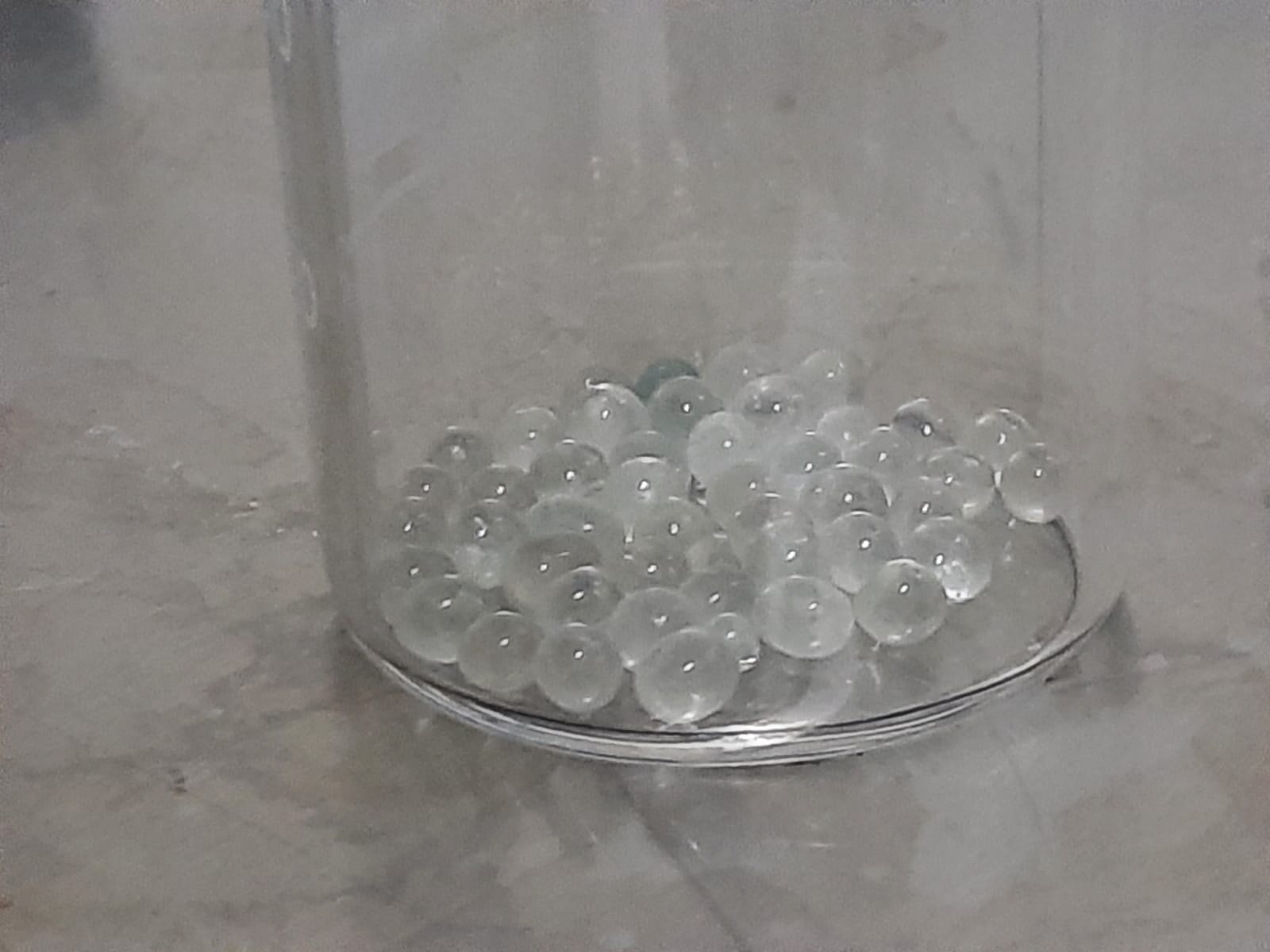
Glass Beads- Introduction, Principle, Test Requirements, Working Mechanism, Application, and Keynotes

Glass Beads in a Container

Introduction Glass beads are small, inert, spherical particles widely used in microbiology, molecular biology, and cell culture. Their smooth, durable surface and chemical stability make them suitable for disrupting tissues, homogenizing cells, and aiding in sterilization or agitation processes. Principle The principle of using these …

Read more