Aeromonas salmonicida- Introduction, Morphology, Pathogenicity, Lab Diagnosis, Treatment, Prevention, and Keynotes

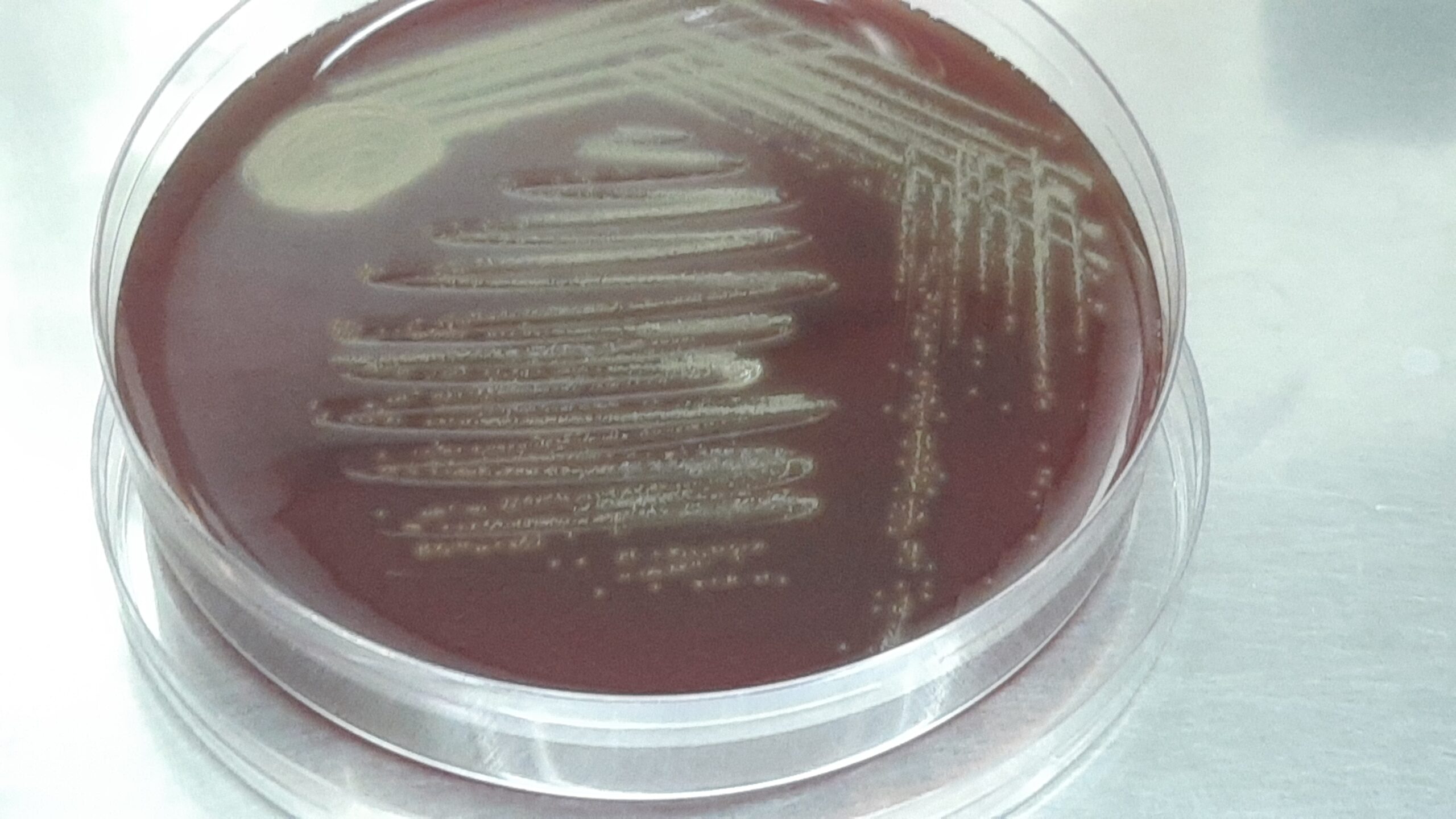
Aeromonas salmocida growth on MacConkey agar of sputum culture

Introduction Aeromonas salmonicida is a notorious bacterium primarily targeting fish, causing the deadly disease known as furunculosis. Typically found in freshwater and marine environments, it poses a significant threat to aquaculture industries worldwide. This bacterium spreads quickly, particularly in crowded conditions like those found in …

Read more

Raoultella ornithinolytica: Introduction, Morphology, Pathogenicity, Lab Diagnosis, Treatment, Prevention, and Keynotes

Routella ornithinolytica lactose fermenting colony on MacConkey agar

Introduction Raoultella ornithinolytica is a Gram-negative, encapsulated, non-motile, rod-shaped bacterium belonging to the family Enterobacteriaceae. Originally classified under the genus Klebsiella, it has been reclassified due to its distinct biochemical properties, including the ability to metabolize ornithine. This bacterium is commonly found in water, soil, …

Read more

Leuconostoc mesenteroides-Introduction, Morphology, Pathogenicity, Lab Diagnosis, Treatment, Prevention, and Keynotes

Leuconostoc mesenteroides in wet mount of culture microscopy at a magnification of 1600X

Introduction Leuconostoc mesenteroides is a species of lactic acid bacteria that plays a significant role in food fermentation and preservation. It is characterized by its ability to convert sugars into lactic acid, a process that enhances the shelf life and safety of many foods. This …

Read more

Streptococcus sanguinis-Introduction, Morphology, Pathogenicity, Lab Diagnosis, Treatment, Prevention, and Keynotes

Streptococcus sanguinis colony morphology on blood agar of urine culture

Introduction Streptococcus sanguinis is a Gram-positive bacterium belonging to the Streptococcaceae family. It is a commensal bacterium commonly found in the human oral cavity and is part of the normal oral microbiota. While it generally coexists peacefully with its host, S. sanguinis can also play …

Read more

Gemella-Introduction, Morphology, Pathogenicity, Lab Diagnosis, Treatment, Prevention, and Keynotes

Gemella morbillorum colony morphology on blood agar of blood culture

Introduction Gemella is a genus of bacteria that is part of the normal flora of the human body, particularly found in the oral cavity, gastrointestinal tract, and upper respiratory tract. These bacteria are typically harmless but can be opportunistic pathogens, especially in individuals with compromised …

Read more

PPLO Agar- Introduction, Composition, Principle, Preparation Requirements, Test Procedure, Result -Interpretation, Uses, and Keynotes

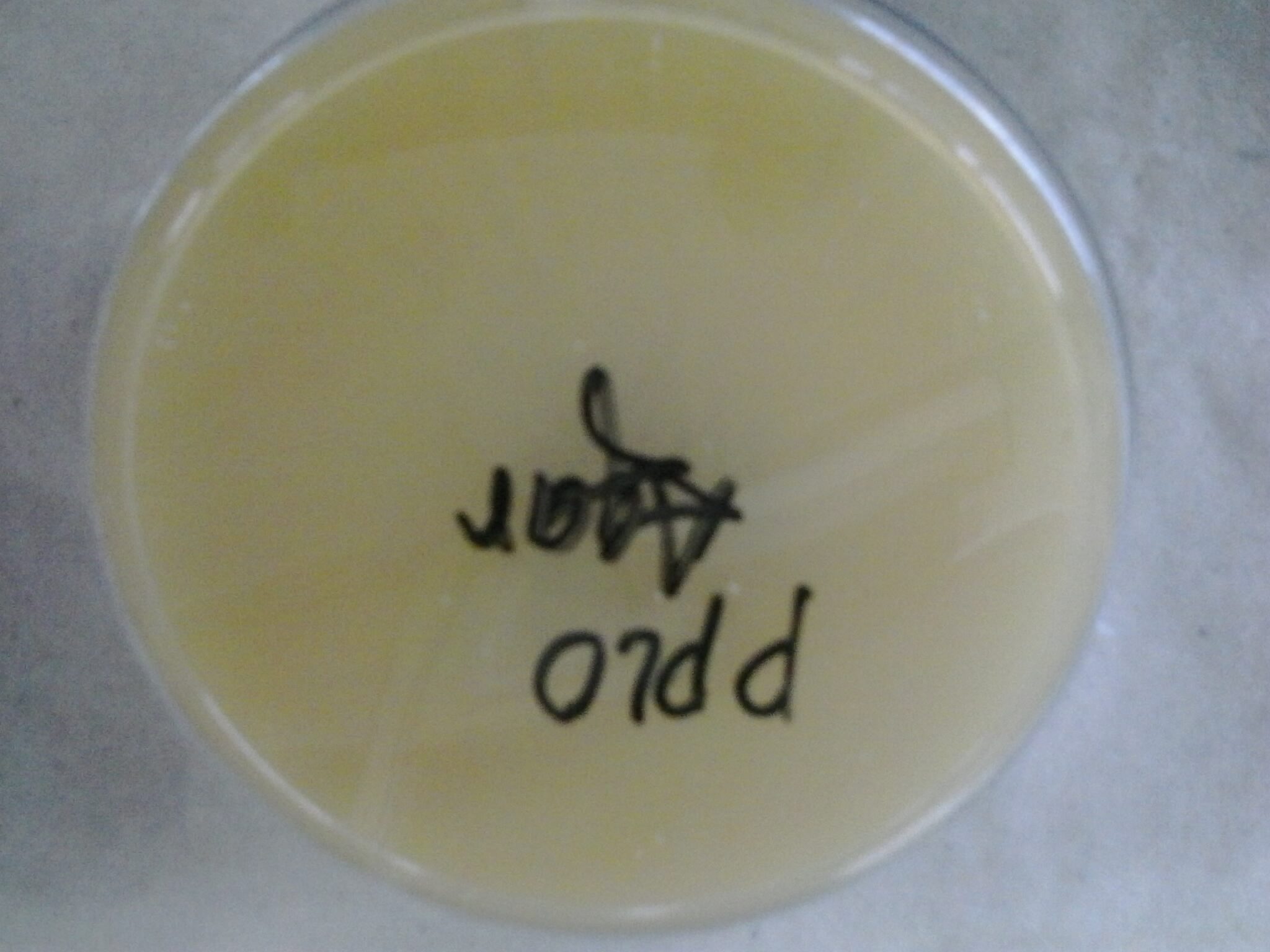
PPLO Agar- Introduction, Composition, Principle, Preparation Requirements, Test Procedure, Result -Interpretation, Uses, and Keynotes

Introduction PPLO (Pleuropneumonia-Like Organisms) Agar is a specialized growth medium used primarily for the cultivation of Mycoplasma. Mycoplasma species are unique prokaryotes that lack a cell wall and, therefore, have specific nutritional requirements that are provided by the PPLO agar. Components of PPLO Agar: Characteristics …

Read more

ESBL (Extended Spectrum Beta-Lactamase)- Introduction, List of Bacteria, Pathogenicity, Symptoms, Lab Diagnosis, Treatment, Prevention, and Keynotes

ESBL (Extended Spectrum Beta-Lactamase)- Introduction, List of Bacteria, Pathogenicity, Symptoms, Lab Diagnosis, Treatment, Prevention, and Keynotes

Introduction Extended Spectrum Beta-Lactamase (ESBL) is a term that encompasses a group of enzymes produced by certain bacteria. These enzymes impart resistance to a wide range of beta-lactam antibiotics, which are frequently used in clinical medicine. Here’s an introduction to ESBL: Origin and Mechanism: Clinical …

Read more

Arcanobacterium haemolyticum- Introduction, Morphology, Pathogenicity, Lab Diagnosis, Treatment, Prevention, and Keynotes

Introduction of Arcanobacterium haemolyticum Arcanobacterium haemolyticum (previously known as Corynebacterium haemolyticum) is a Gram-positive, rod-shaped bacterium. This bacterium is known to be a human pathogen and can cause infections primarily in the pharynx and skin. Here are some key points about this organism: Morphology Arcanobacterium …

Read more