RPR Test: Introduction, Principle, Procedure, Result-Interpretation, Clinical Significance, and Keynotes
RPR Test: Introduction, Principle, Procedure, Result-Interpretation, Clinical Significance, and Keynotes

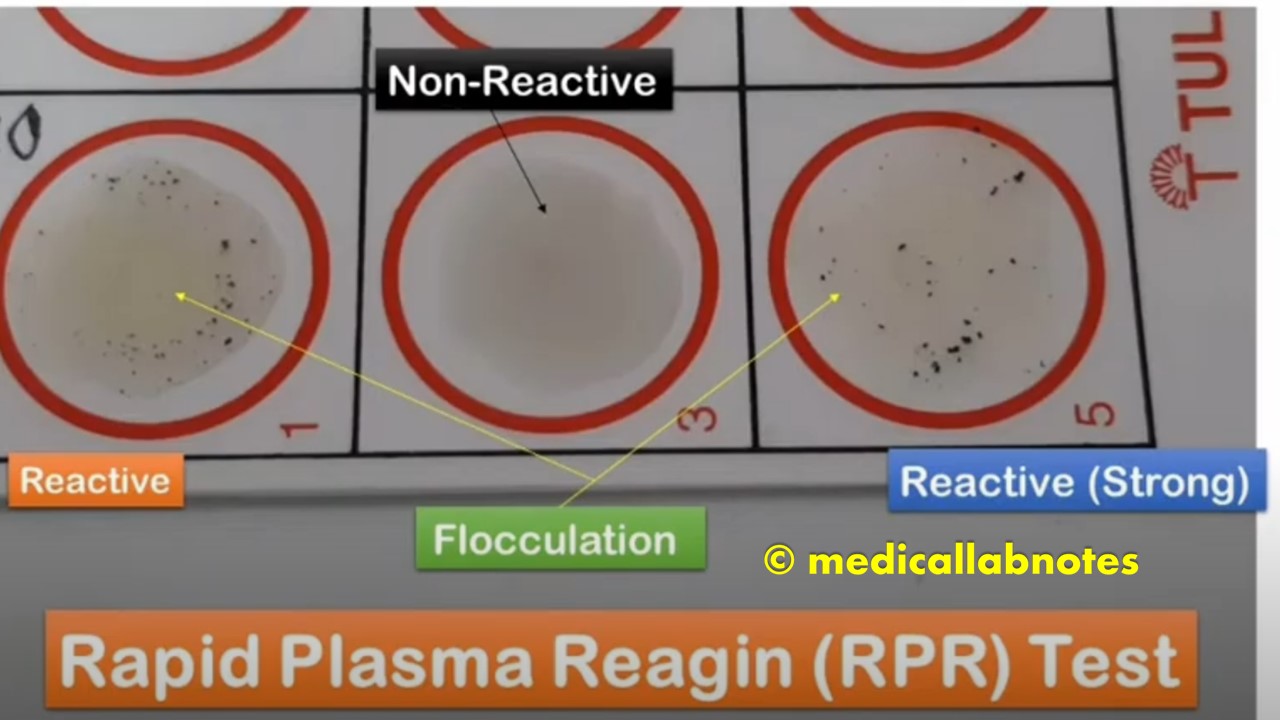
Introduction of Rapid Plasma Reagin (RPR) Test RPR is a screening non-specific test for syphilis caused by a bacterium, Treponema pallidum. It has replaced the VDRL test due to having properties like no need of preparing fresh reagents daily, no need for a microscope, and …

Read more

TPHA Test: Introduction, Principle, Procedure, Result-Interpretation, Clinical Significance, and Keynotes

TPHA Test: Introduction, Principle, Procedure, Result-Interpretation, Clinical Significance, and Keynotes

Introduction of TPHA Test TPHA test  stands for Treponema pallidum hemagglutination. This is a confirmatory test for syphilis that is caused by a bacterium, T. pallidum. TPHA test is a sensitive indirect hemagglutination test, that detects specific Treponema pallidum antibodies in serum within one hour. It uses …

Read more

VDRL Test: Introduction, Principle, Procedure, Result-Interpretation,Limitations, and Keynotes

VDRL Test Introduction,Principle, Procedure, Result-Interpretation,Limitations, and Keynotes

Introduction of VDRL Test VDRL stands for Veneral disease research laboratory. The laboratory was renamed the Treponemal Pathogenesis and Immunology Branch of the United States Public Health Service. The Venereal Disease Research Laboratory (VDRL) test is one of two variations of micro flocculation procedures used for serological testing …

Read more

Lowenstein-Jensen (LJ) Medium: Introduction, Principle Composition, Preparation, Procedure, Result- Interpretation, Limitation, and Keynotes

Lowenstein-Jensen (LJ) Medium: Introduction, Principle Composition, Preparation, Procedure, Result- Interpretation, Limitation, and Keynotes

Introduction of Lowenstein-Jensen (LJ) Medium Lowenstein-Jensen (LJ) Medium is named after the surnames of  Austrian pathologist Ernst Lowenstein (1878–1950) and the Danish chemist Kai Arne Jensen (1908–1992). The etiological agent of tuberculosis is Mycobacterium tuberculosis. It requires aerobic conditions and a protein-enriched medium for culture. The short …

Read more

Glucose Tolerance Test(GTT): Introduction, Procedure, Result-Interpretation, and Keynotes

Glucose Tolerance Test(GTT): Introduction, Procedure, Result-Interpretation, and Keynotes

Introduction of Glucose Tolerance Test The glucose tolerance test (GTT), also known as the oral glucose tolerance test (OGTT) is useful to measure the body’s response to sugar (glucose)and it can be used to screen for type 2 diabetes. More commonly, a modified version of …

Read more

Glucose Challenge Test (GCT): Introduction, Procedure, Result-Interpretation, and Keynotes

Glucose Challenge Test (GCT):Introduction, Procedure, Result-Interpretation, and Keynotes

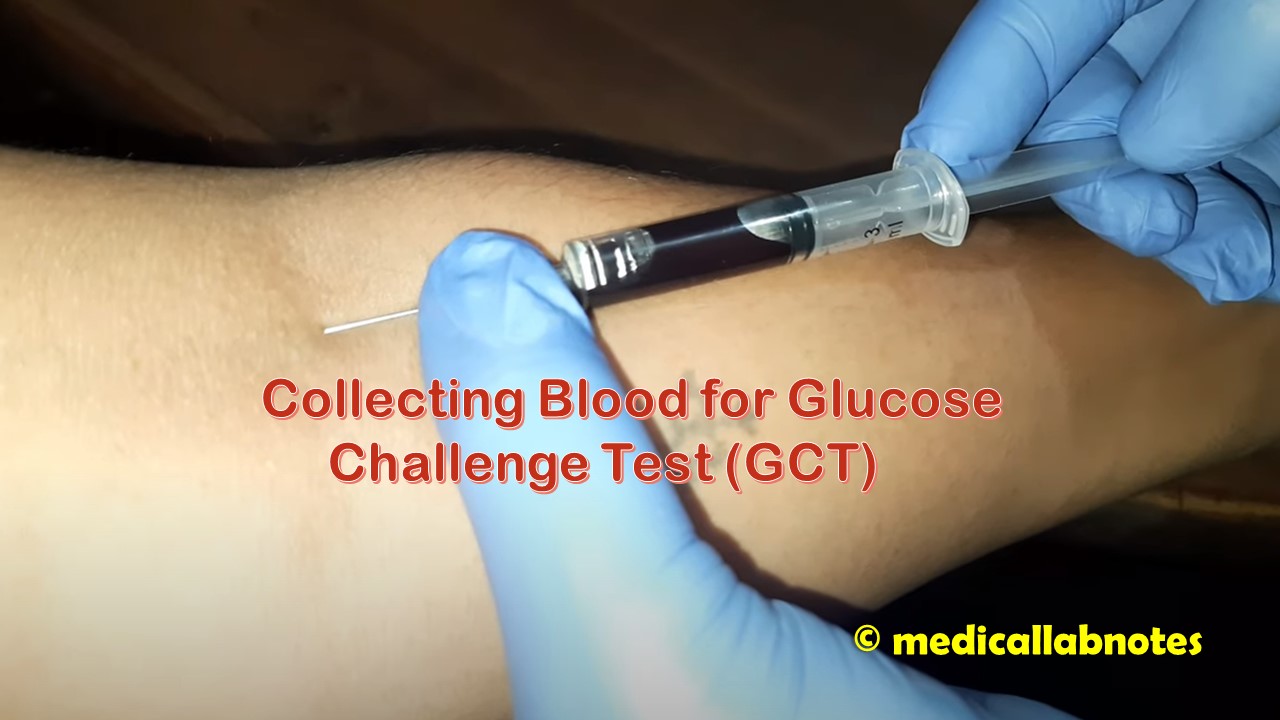
Introduction of Glucose Challenge Test The glucose challenge test (GCT) measures the body’s response to glucose (sugar) and it is tested during pregnancy to screen for gestational diabetes (diabetes that develops during pregnancy). The GCT is done in two steps. Initially drink a glass of …

Read more

Sahli’s Method of Hemoglobin Estimation: Introduction, Principle, Procedure, Result- Interpretation, and Keynotes

Sahli's Method of Hemoglobin Estimation: Introduction, Principle, Procedure, Result Interpretation and Keynotes

Introduction of Sahli’s Method of Hemoglobin Estimation Sahli’s Method of Hemoglobin Estimation is also called the acid hematin method of hemoglobin estimation and the method is cheap, with no need for an electrical supply and even there is no need for technical expertise to perform …

Read more

Germ Tube Test: Introduction, Principle, Procedure, Result Interpretation, and Keynotes

Germ Tube Test: Introduction, Principle, Procedure, Result Interpretation and Keynotes

Introduction of Germ Tube The Germ Tube Test procedure is used for the presumptive identification of Candida species. The culture of Candida species is treated with normal human pooled serum or sheep or rabbit or fetal calf serum and incubated at 37°C for 2-4 hours. A drop of suspension …

Read more