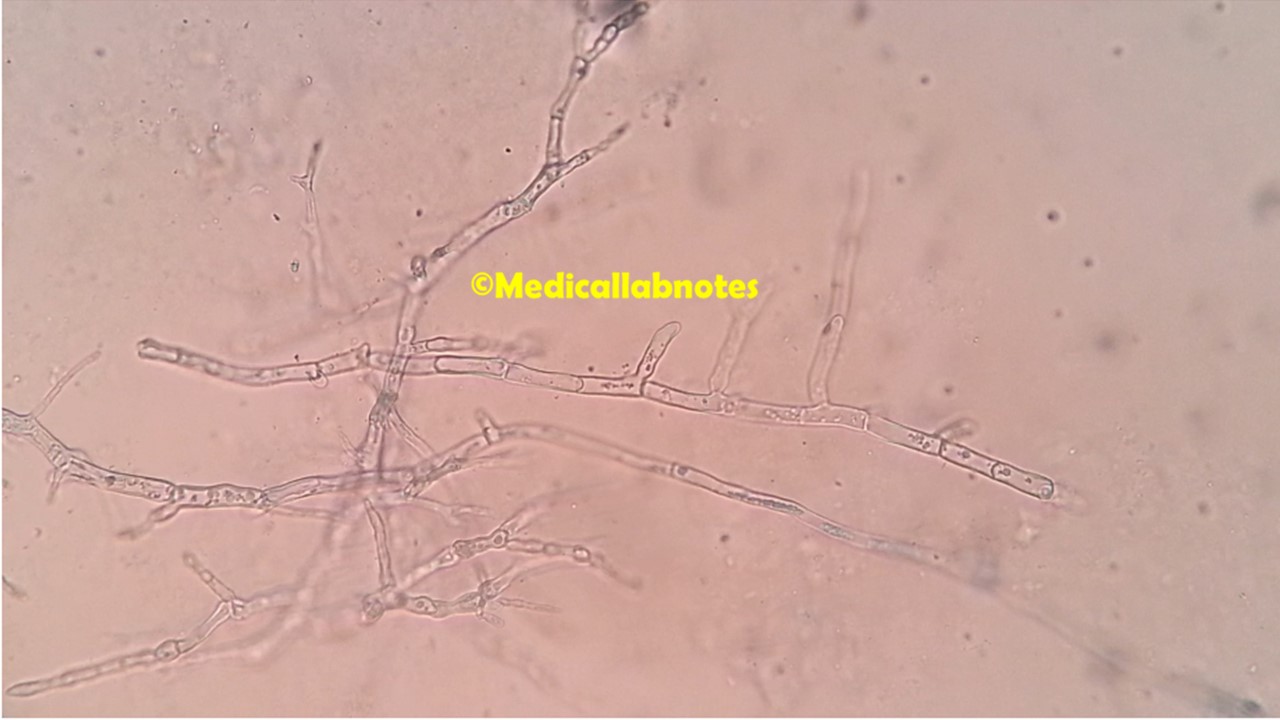
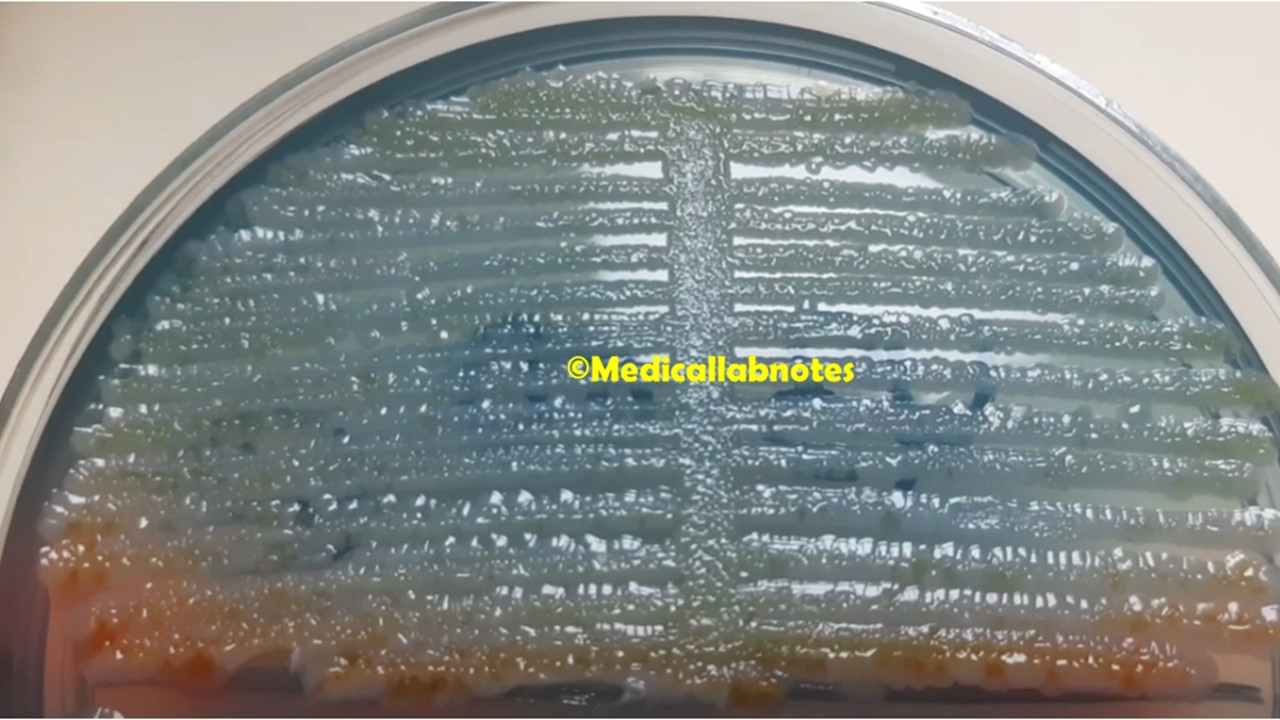
Geotrichum: Introduction, Morphology, Pathogenicity, Lab Diagnosis, Treatment, Prevention, and Keynotes

Geotrichum candidum colony morphology on Sabouraud dextrose agar (SDA) in clinical specimen, pus

Introduction Geotrichum is a genus of fungi that belong to the family Geotrichaceae. These fungi are commonly found in various environmental settings, including soil, water, and decaying organic matter. Geotrichum species can also be found as part of the natural microbiota in humans and animals. …

Read more

Fluorescence Microscope: Introduction, Principle, Parts, Uses, Care and Maintenance, and Keynotes

Fluorescence Microscope: Introduction, Principle, Parts, Uses, Care and Maintenance, and Keynotes

Introduction A Fluorescence Microscope is a powerful optical instrument used to observe and study specimens that emit fluorescence when exposed to specific wavelengths of light. This technique exploits the unique properties of fluorescence, where certain molecules or structures absorb light at one wavelength and emit …

Read more

E. aerogenes: Introduction, Morphology, Pathogenicity, Lab Diagnosis, Treatment, Prevention, and Keynotes

Enterobacter aerogenes colony morphology on CLED agar of urine culture

Introduction Enterobacter aerogenes is a bacterium belonging to the Enterobacteriaceae family, which includes several other important pathogens and opportunistic bacteria. E. aerogenes is a Gram-negative, rod-shaped bacterium that is commonly found in various environments, including soil, water, and the gastrointestinal tracts of humans and animals. …

Read more

Enteroviruses: Introduction, Morphology, Pathogenicity, Lab Diagnosis, Treatment, Prevention, and Keynotes

Introduction Enteroviruses are a group of viruses that belong to the Picornaviridae family. They are a diverse group of viruses that can cause a wide range of illnesses, from mild cold-like symptoms to more serious diseases. Enteroviruses primarily infect the gastrointestinal tract and can spread …

Read more

MALDI-TOF Mass Spectrometry: Introduction, Principle, Handling Procedure, Application, and Keynotes

Introduction Matrix-Assisted Laser Desorption/Ionization Time-of-Flight Mass Spectrometry, commonly abbreviated as MALDI-TOF MS, is a powerful analytical technique used in the field of mass spectrometry. It is widely employed for the identification and characterization of a diverse range of molecules, including proteins, peptides, nucleic acids, carbohydrates, …

Read more

Pleural Fluid Culture and Sensitivity: Introduction, Report, Clinical Significance, Common Pathogens, and Keynotes

Pleural fluid for laboratory diagnosis

Introduction Pleural fluid culture and sensitivity is a diagnostic test used to identify and determine the antibiotic susceptibility of microorganisms present in the pleural fluid. The pleural fluid is a clear fluid that accumulates between the two layers of the pleura, the membrane that surrounds …

Read more

Shewanella: Introduction, Morphology, Pathogenicity, Lab Diagnosis, Treatment, Prevention, and Keynotes

Shewanella species colony characteristics on Muller-Hinton agar (MHA)

Introduction Shewanella is a genus of Gram-negative, facultative anaerobic bacteria that belongs to the family Shewanellaceae. These bacteria are known for their remarkable versatility and adaptability to a wide range of environmental conditions. They were first discovered in 1980 by researchers studying microbial fuel cells, …

Read more

Clostridium: Introduction, Morphology, Pathogenicity, Lab Diagnosis, Treatment, Prevention, and Keynotes

Clostridium growth on blood agar under anaerobic condition of 48 hours- inhibition of growth around metronidazole but no effect towards gentamicin

Introduction Clostridium is a genus of Gram-positive, rod-shaped, spore-forming bacteria that belongs to the phylum Firmicutes. These bacteria are anaerobic, meaning they can thrive in environments devoid of oxygen. The name “Clostridium” is derived from the Greek word “kloster,” which means spindle, referring to their …

Read more