N95 and KN95 Masks: Introduction, Key Differences, and Comparison of Design and Performance

N95 Mask-A NIOSH-certified Magnum Surgical N95 cup-style respirator with mandatory text markings and dual head straps

Introduction N95 and KN95 masks are high-filtration Filtering Facepiece Respirators (FFRs) designed to protect wearers from airborne particulates. Both are engineered to trap at least 95% of microscopic, non-oil-based particles down to 0.3 microns in size, including dust, pollen, bacteria, and viruses. While they serve …

Read more

Alcaligenes faecalis: Introduction, Morphology, Pathogenicity, Lab Diagnosis, Treatment, Prevention, and Keynotes

Alcaligenes faecalis growth on MacConkey agar

Introduction Alcaligenes faecalis is a Gram-negative, aerobic, rod-shaped bacterium primarily found in water and soil, but also as a commensal in the human intestinal tract. While it is generally nonpathogenic, it is a significant opportunistic pathogen, particularly in hospital settings where it thrives in moist …

Read more

Infection Prevention & Control and Waste Management: Introduction, Procedure, Waste segregation, Disposal, Application, and Keynotes

Introduction Infection Prevention and Control (IPC) and Healthcare Waste Management (HCWM) are critical systems used to minimize the spread of pathogens, protecting patients, healthcare workers, and the environment. Approximately 15–25% of healthcare waste is considered hazardous, necessitating strict management protocols. IPC is an evidence-based approach …

Read more

Orientia and Rickettsia: Introduction, Comparison, Key Differences, Treatment and Diagnosis

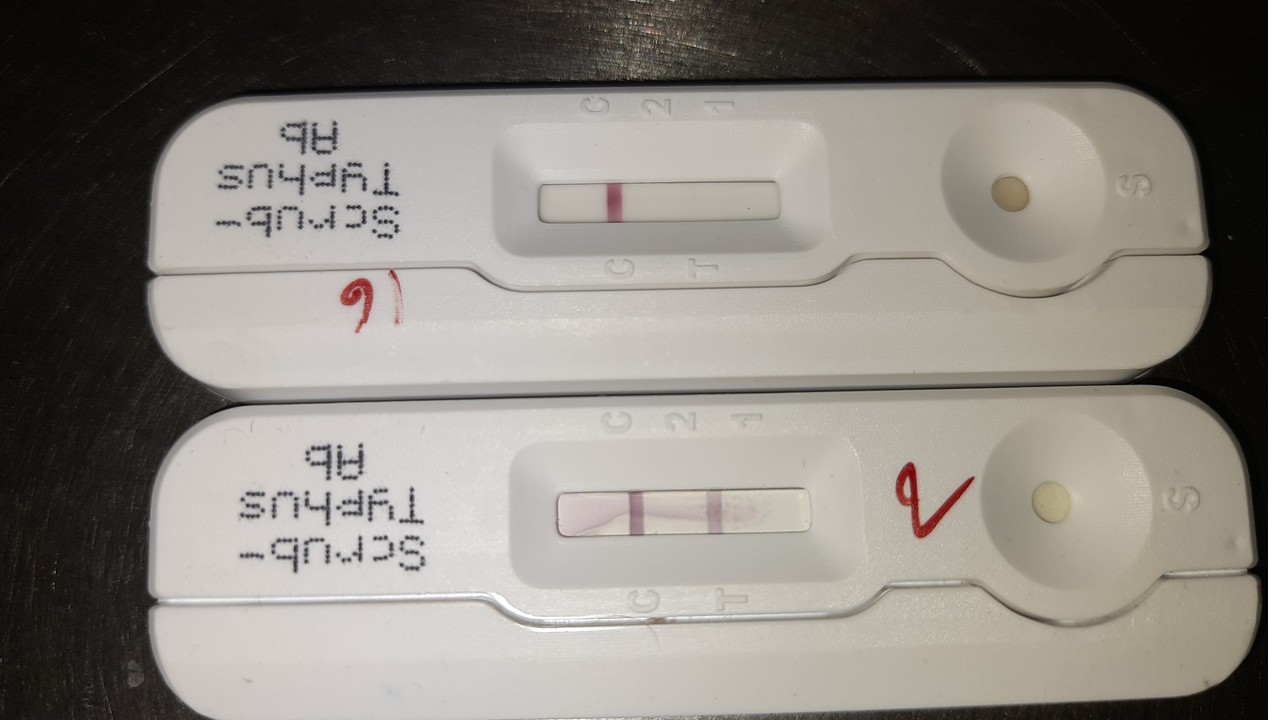
Scrub Typhus (Orientia tsutsugamushi) Rapid Test positive and negative results

Introduction Orientia and Rickettsia are two closely related genera of bacteria within the family Rickettsiaceae. Both are small, gram-negative, obligate intracellular pathogens, meaning they can only grow and replicate inside the living cells of their hosts. While they share many clinical features—such as causing fever, …

Read more

Biosafety Officer: Introduction, Roles, Uses, Clinical Significance, and Keynotes

Importnace of Biosafety Officer

Introduction A Biosafety Officer (BSO) is a technical expert responsible for the strategic and integrated management of biological risks within an organization. Acting as the human component of a biosafety system, they ensure that laboratory practices, containment, and procedures minimize unintentional exposure to pathogens and …

Read more

VITEK 2 System: Introduction, Organisms List and Identification Cards, Principle, Identification Procedure, Result-Interpretation, and Keynotes

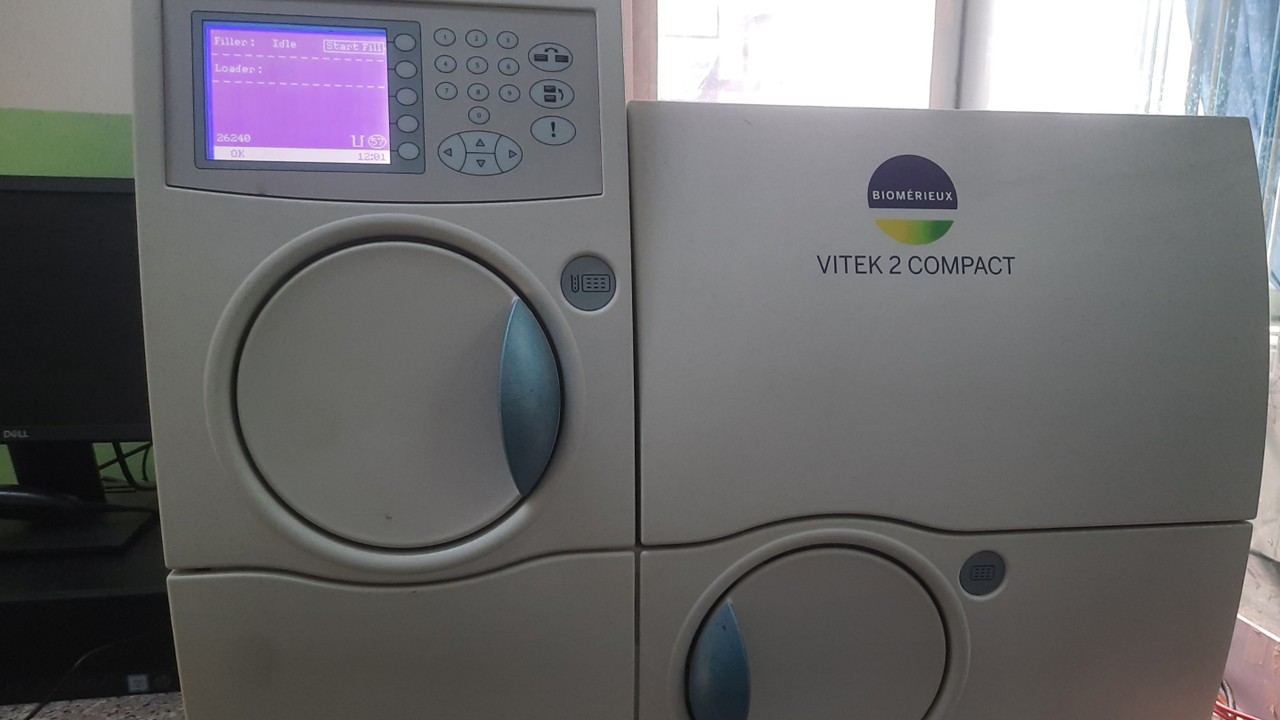
The image shows a front view of the bioMérieux VITEK 2 Compact, a benchtop automated system designed for rapid microbial identification and antibiotic susceptibility testing in clinical laboratorie

Introduction The VITEK 2 System is an automated microbiology platform designed for the rapid identification (ID) and antimicrobial susceptibility testing (AST) of a wide range of microorganisms. It utilizes miniaturized, closed cards that enhance lab safety and streamline workflow. The VITEK 2 cards are lightweight, …

Read more

First-Line Drug Susceptibility Testing (SL-DST) for Tuberculosis: Introduction, Principle, Procedure, Result-Interpretation, and Keynotes

 Introduction First-Line Drug Susceptibility Testing (FL-DST or sometimes referred to in context as SL-DST when covering all first-line agents: Rifampicin, Isoniazid, Ethambutol, Pyrazinamide) is a crucial laboratory procedure used to determine if a patient’s Mycobacterium tuberculosis (Mtb) strain is sensitive or resistant to primary anti-TB …

Read more

Second-Line Drug Susceptibility Testing (SL-DST) for Tuberculosis:Introduction, Principle, Procedure, Result-Interpretation, and Keynotes

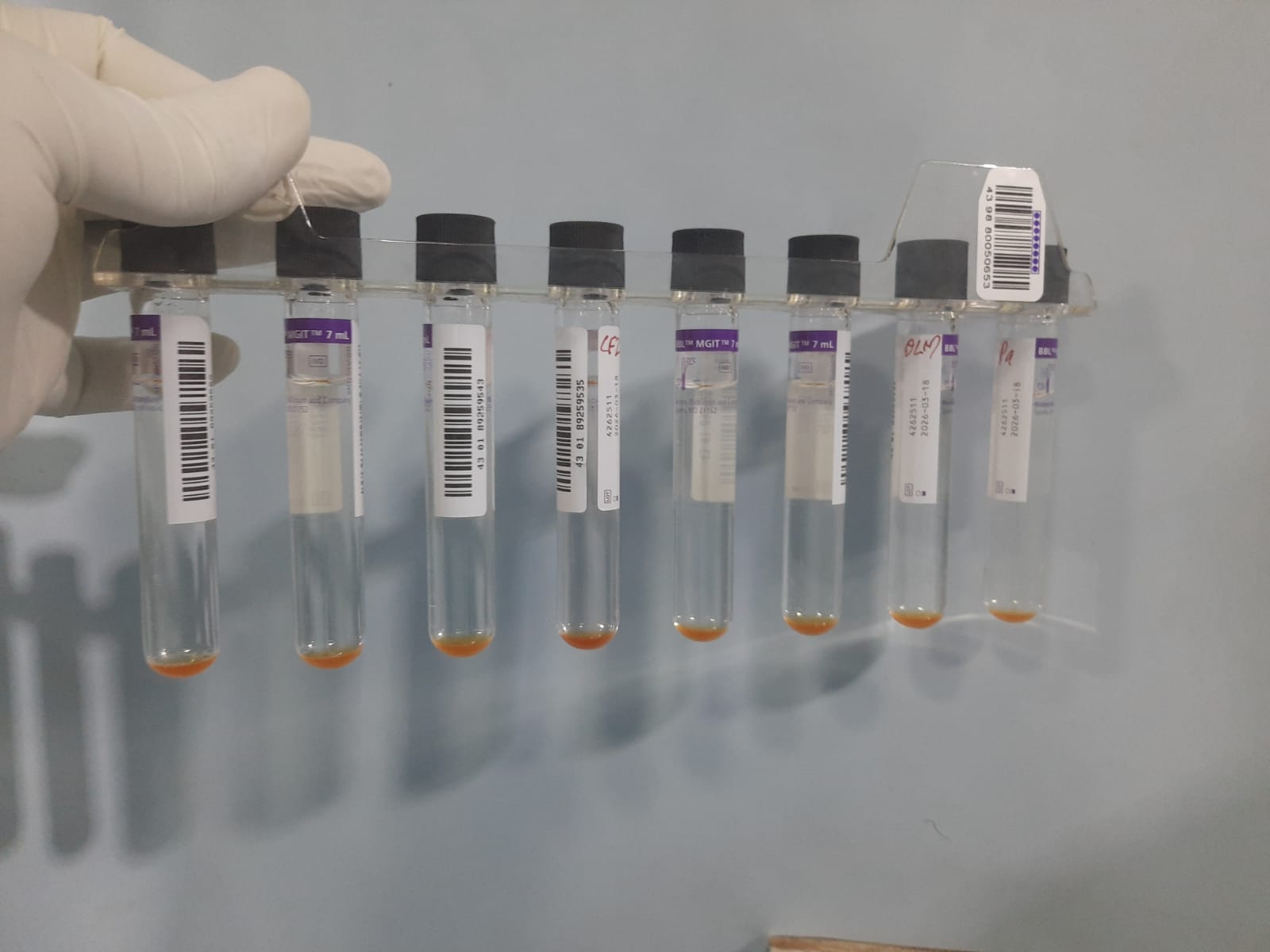
Phenotypic drug susceptibility testing (DST) of Mycobacterium tuberculosis using the BACTEC MGIT 960 system

Introduction Second-line drug susceptibility testing (SL-DST) for tuberculosis is a crucial laboratory procedure designed to detect resistance to anti-TB drugs used when first-line treatment fails (i.e., multidrug-resistant TB – MDR-TB).  Principle SL-DST measures the susceptibility of Mycobacterium tuberculosis to specific agents by determining the Critical …

Read more