Curvularia: Introduction, Morphology, Pathogenicity, Lab Diagnosis, Treatment, Prevention, and Keynotes

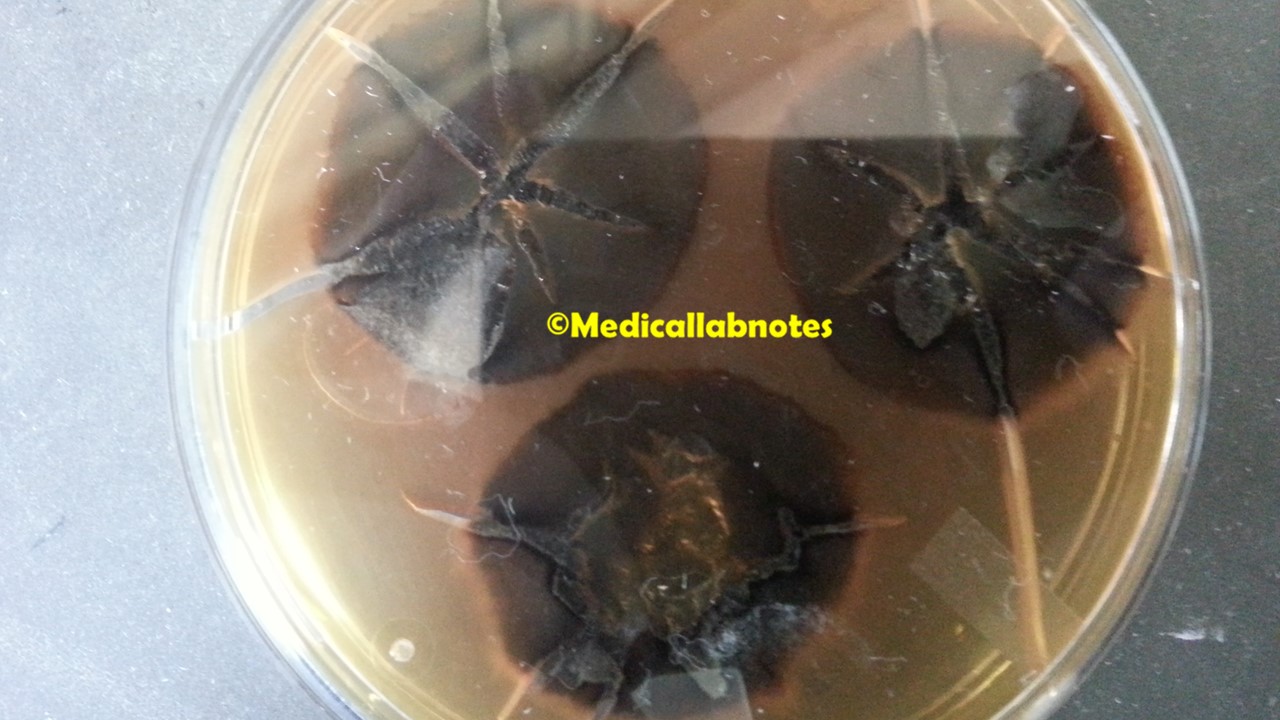
Curvularia Colony characteristics on SDA-Reverse side view

Introduction Curvularia is a genus of filamentous fungi belonging to the family Pleosporaceae, commonly found in soil, decaying plant material, and various environmental niches. These fungi are known for their distinctive curved or sigmoid-shaped conidia (asexual spores), which give the genus its name. Characteristics: Pathogenicity: …

Read more

Aspergillus fumigatus: Introduction, Morphology, Pathogenicity, Lab Diagnosis, Treatment, Prevention, and Keynotes

Aspergillus fumigatus colony morphology on Czapek-Dox agar plate

Introduction Aspergillus fumigatus is a filamentous fungus and one of the most common and clinically relevant species in the Aspergillus genus. It is widely distributed in the environment and can be found in soil, compost, decaying vegetation, and indoor environments. It is known for its …

Read more

Rhizopus: Introduction, Morphology, Pathogenicity, Lab Diagnosis, Treatment, Prevention, and Keynotes

Sporangiophores, columellae and rhizoids of Rhizopus species in LPCB preparation of culture microscopy

Introduction Rhizopus is a genus of fungi belonging to the phylum Zygomycota and the class Mucoromycotina. It is one of the most well-known and common genera of the Mucoraceae family. Rhizopus species are saprophytic fungi, meaning they obtain nutrients by decomposing organic matter in their …

Read more

Mucor: Introduction, Morphology, Pathogenicity, Lab Diagnosis, Treatment, Prevention, and Keynotes

Introduction Mucor is a genus of fungi belonging to the family Mucoraceae within the phylum Zygomycota. These fungi are commonly known as mold and are ubiquitous in the environment, found in soil, decaying organic matter, and on various surfaces. Mucor species play essential roles in …

Read more

Penicillium: Introduction, Morphology, Pathogenicity, Lab Diagnosis, Treatment, Prevention, and Keynotes

Penicillium colony morphology on fungal culture medium

Introductio Penicillium is a genus of mold that belongs to the family Aspergillaceae within the fungal kingdom. It is one of the most important and well-known groups of fungi, particularly due to its significant impact on medicine, industry, and food production. The name “Penicillium” originates …

Read more

Acremonium: Introduction, Morphology, Pathogenicity, Lab Diagnosis, Treatment, Prevention, and Keynotes

Acremonium colony characteristics on Sabouraud dextrose agar of clinical specimen, ear discharge

Introduction Acremonium is a genus of fungi that belongs to the family Hypocreaceae within the order Hypocreales. It is a diverse group of molds commonly found in soil, plant material, and decaying organic matter. They are ubiquitous in nature and can be found in various …

Read more

Cryptococcus: Introduction, Morphology, Pathogenicity, Lab Diagnosis, Treatment, Prevention, and Keynotes

Cryptococcus: Introduction, Morphology, Pathogenicity, Lab Diagnosis, Treatment, Prevention, and Keynotes

Introduction Cryptococcus is a genus of fungi that includes several species, the most common of which is Cryptococcus neoformans. These fungi are widely distributed in the environment, particularly in soil and bird droppings. Cryptococcus species are known for causing opportunistic infections, primarily affecting individuals with …

Read more

Candida: Introduction, Morphology, Pathogenicity, Lab Diagnosis, Treatment, Prevention, and Keynotes

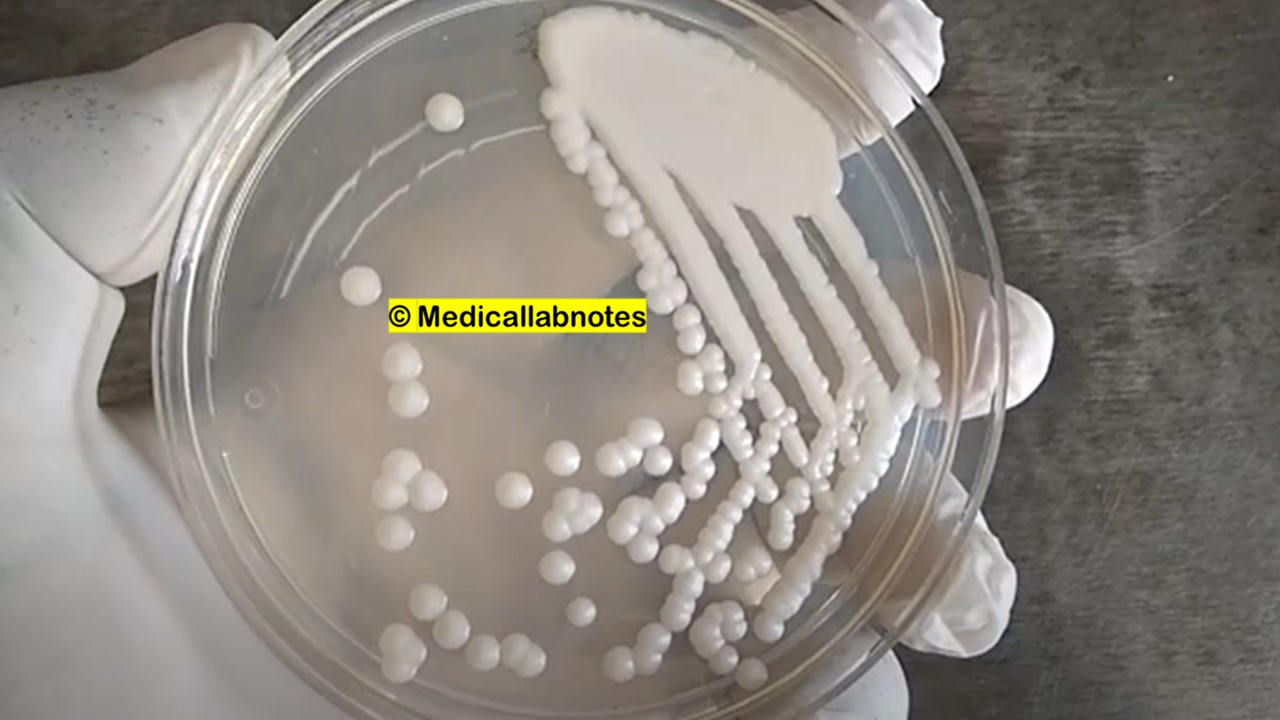
Cream-coloredpasty and glistening colonies of Candida albicans on Sabouraud-Dextroseagar (SDA) plate

Introduction Candida is a genus of yeast that is commonly found in the environment and is also a part of the normal microbial flora in the human body. The most well-known species within this genus is Candida albicans, although there are over 20 different species …

Read more