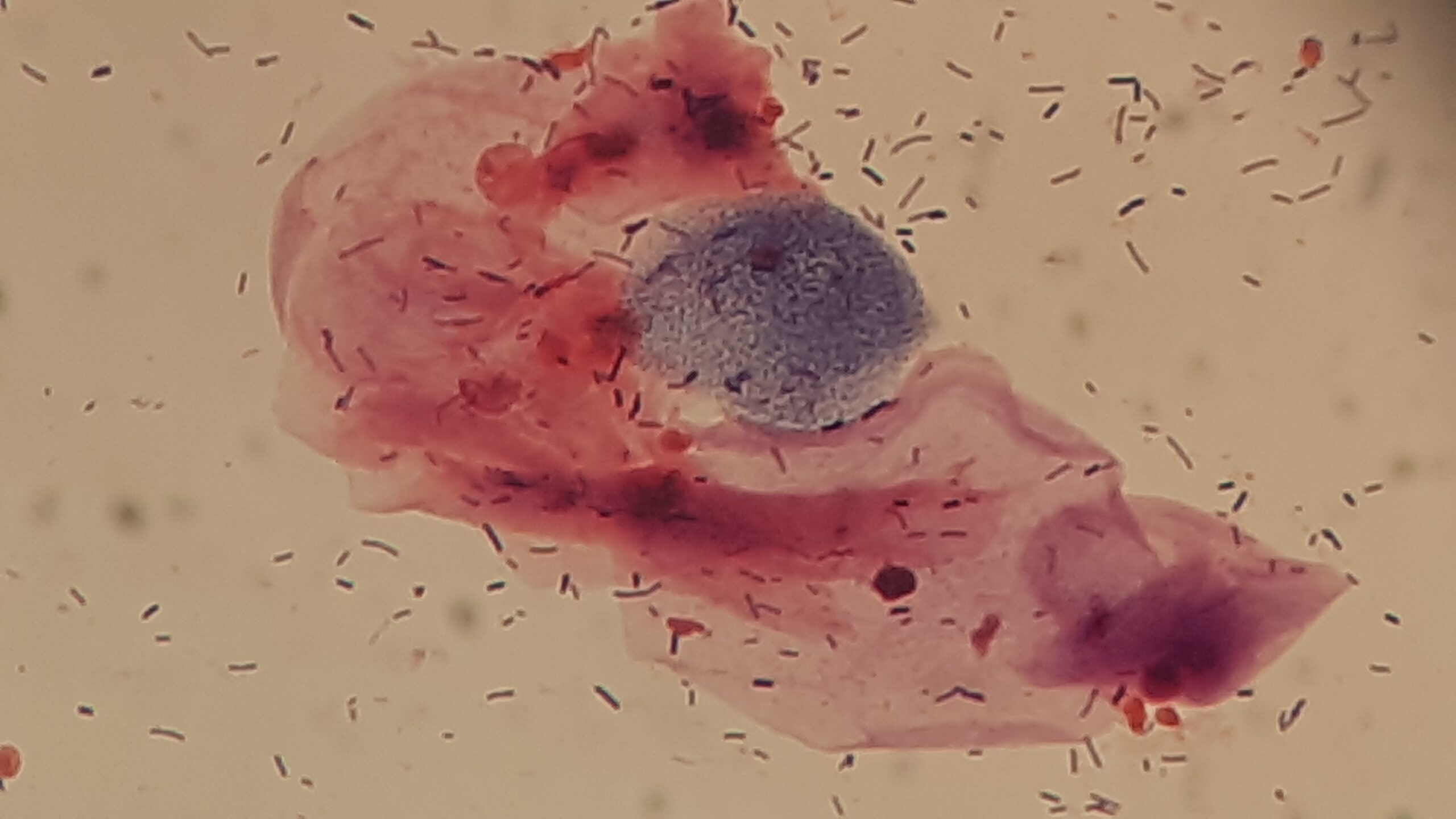
Prevotella-Introduction, Morphology, Pathogenicity, Lab Diagnosis, Treatment, Prevention, and Keynotes

Introduction Prevotella is a genus of Gram-negative, anaerobic bacteria commonly found in the human oral and gut microbiota. These bacteria have been the focus of numerous studies due to their association with both health and disease in humans. Here’s a brief introduction: Morphology The morphology …

Read more

K. pneumoniae-Introduction, Morphology, Pathogenicity, Lab Diagnosis, Treatment, Prevention, and Keynotes

K. pneumoniae-Introduction, Morphology, Pathogenicity, Lab Diagnosis, Treatment, Prevention, and Keynotes

Introduction Klebsiella pneumoniae, often abbreviated as K. pneumoniae, is a species of Gram-negative, rod-shaped bacteria commonly found in the human digestive tract, as well as in soil and water. While it is a part of the normal flora in the human gut, K. pneumoniae can …

Read more

Multilocus sequence typing (MLST)-Introduction, Principle, Test Requirements, Procedure, Result-Interpretation, Application, and Keynotes

Introduction Multilocus Sequence Typing (MLST) is a molecular typing technique used in microbiology and genetics to classify and differentiate bacterial strains based on their genetic diversity. MLST is particularly valuable for studying the epidemiology and evolution of bacterial pathogens. Here is an introduction to the …

Read more

Bacterial Vaginosis (BV)-Introduction, Types, Signs and Symptoms, Common Pathogens, Laboratory Diagnosis, Treatment, Prevention and Control, and Keynotes

Suspected Bacterial Vaginosis Vaginal Swab in Gram Staining Microscopy at a Magnification of 4000X

Introduction Bacterial Vaginosis (BV) is a common vaginal infection characterized by an imbalance in the vaginal microbiota, leading to the overgrowth of certain types of bacteria. It is a condition that primarily affects individuals with female reproductive anatomy and can lead to a range of …

Read more

K. oxytoca-Introduction, Morphology, Pathogenicity, Lab Diagnosis, Treatment, Prevention, and Keynotes

K. oxytoca growth on CLED agar

Introduction Klebsiella oxytoca, often abbreviated as K. oxytoca, is a species of gram-negative, rod-shaped bacterium belonging to the Enterobacteriaceae family. This bacterium is closely related to Klebsiella pneumoniae, another well-known member of the same genus. It is a versatile microorganism that can be found in …

Read more

E-Test-Introduction, Principle, Test Requirements, Procedure, Result-Interpretation, Application, and Keynotes

Placing Vancomycin E-Test Strip for Staphylococcus aureus

Introduction The E-Test, short for “Epsilometer Test,” is a diagnostic tool used in clinical microbiology and antimicrobial susceptibility testing. It is a method for determining the minimum inhibitory concentration (MIC) of antibiotics or antimicrobial agents against a particular bacterial or fungal pathogen. The E-Test is …

Read more

Serratia liquefaciens: Introduction, Morphology, Pathogenicity, Lab Diagnosis, Treatment, Prevention, and Keynotes

Serratia liquefaciens and Klebsiella pneumoniae growth on CLED agar of Urine Culture

Introduction Serratia liquefaciens is a species of Gram-negative, rod-shaped bacteria belonging to the genus Serratia. This bacterium is known for its diverse distribution in various environmental niches, including water, soil, plants, and human-related habitats. It has also been associated with clinical infections in humans, making …

Read more

Stenotrophomonas maltophilia: Introduction, Morphology, Pathogenicity, Lab Diagnosis, Treatment, Prevention, and Keynotes

Mucoid lactose fermenting (MLF) colony of Klebsiella pneumoniae and non-lactose fermenting (NLF) colony of Stenotrophomonas maltophilia on MacConkey medium of clinical specimen-sputum culture

Introduction Stenotrophomonas maltophilia is a Gram-negative bacterium that belongs to the class Gammaproteobacteria. It is an opportunistic pathogen known for its ability to cause infections, particularly in individuals with compromised immune systems or underlying health conditions. The bacterium was initially considered to be of low …

Read more