Blood Culture: Introduction,Common Blood Pathogens, Test Report, Clinical Singificance,and Keynotes
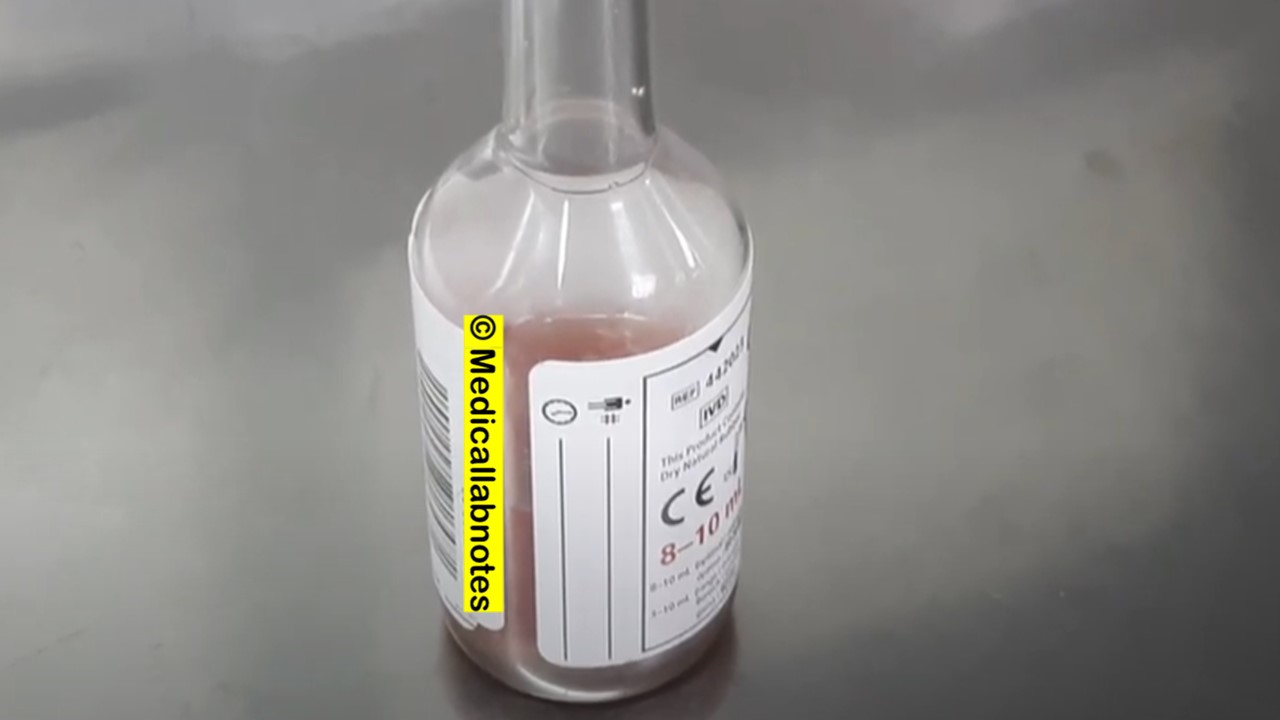
BD BACTEC blood culture vial

Introduction Blood culture is a diagnostic test performed to detect the presence of microorganisms, such as bacteria and fungi, in the bloodstream. It is a critical tool used by healthcare providers to identify and treat bloodstream infections or septicemia, which can be life-threatening if not …

Read more

E. cloacae: Introduction, Morphology, Pathogenicity, Lab Diagnosis, Treatment, Prevention, and Keynotes

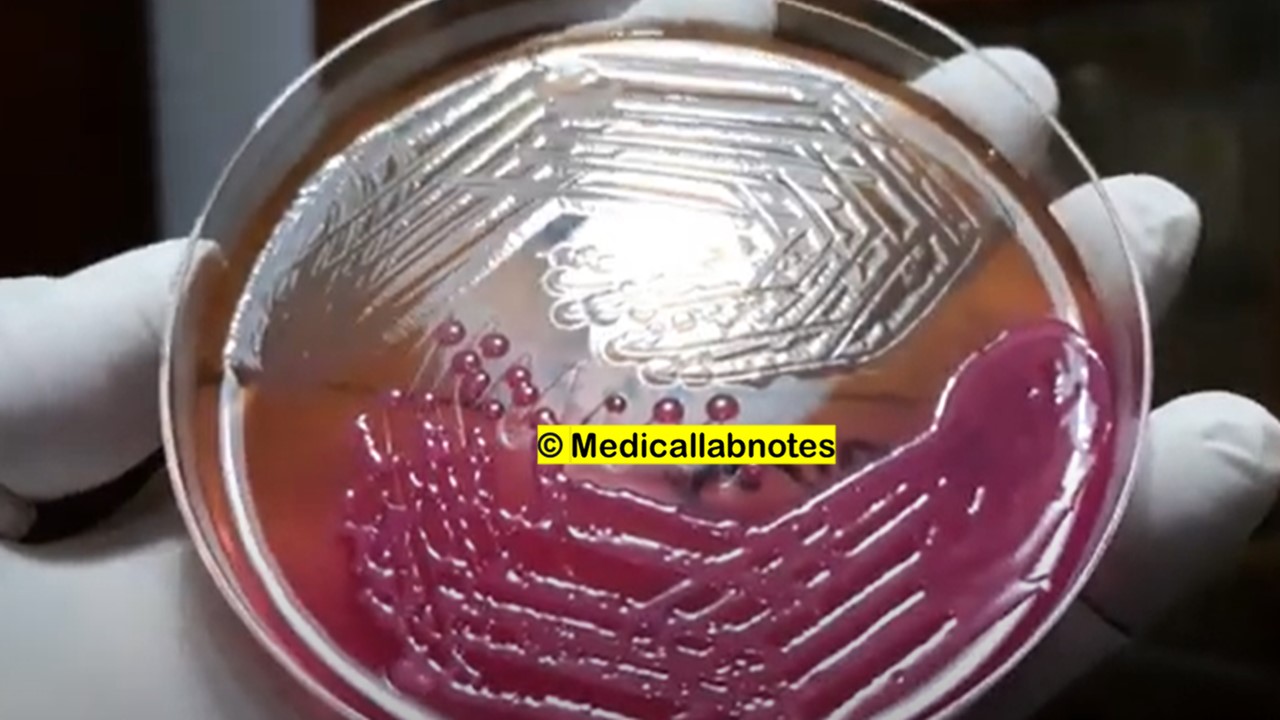
E. cloacae mucoid growth on CLED agar of Urine Culture

Introduction Enterobacter cloacae is a Gram-negative bacterium belonging to the Enterobacteriaceae family. It is a non-motile, facultative anaerobic, rod-shaped bacterium with a characteristic ability to ferment lactose. The name “cloacae” is derived from the Latin word “cloaca,” which means sewer or drain, indicating the bacterium’s …

Read more

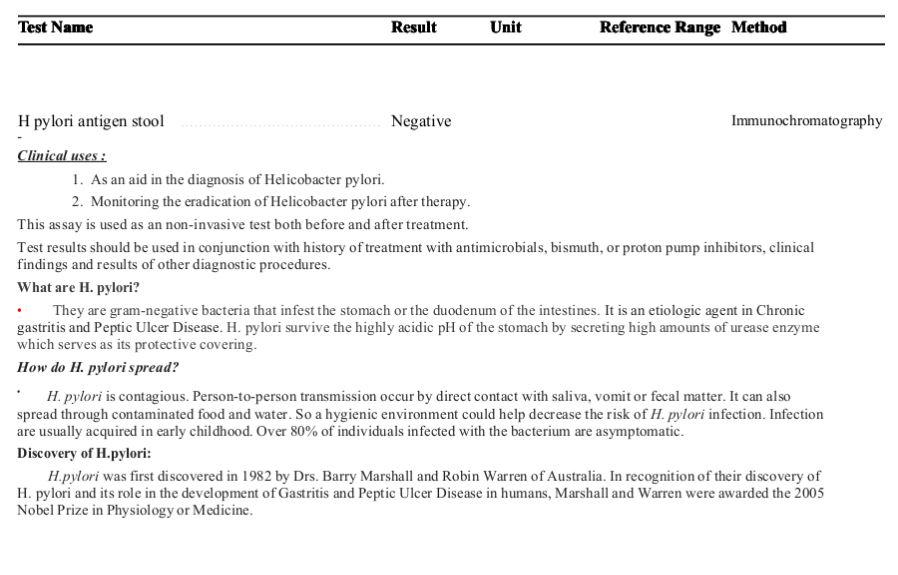
Helicobacter pylori Antigen Test: Introduction, Principle,Test Procedure,Test Result, Unit, Reference Range, Testing Methods,and Keynotes

Helicobacter pylori Antigen Test- Introduction, Principle,Test Procedure,Test Result, Unit, Reference Range, Testing Methods,and Keynotes

Introduction Introduction: Helicobacter pylori (H. pylori) is a bacterium that colonizes the human stomach and is a major cause of various gastrointestinal disorders, including gastritis, peptic ulcers, and even gastric cancer. The discovery of H. pylori‘s role in these diseases revolutionized the field of gastroenterology …

Read more

Bacillus: Introduction, Morphology, Pathogenicity, Lab Diagnosis, Treatment, Prevention, and Keynotes

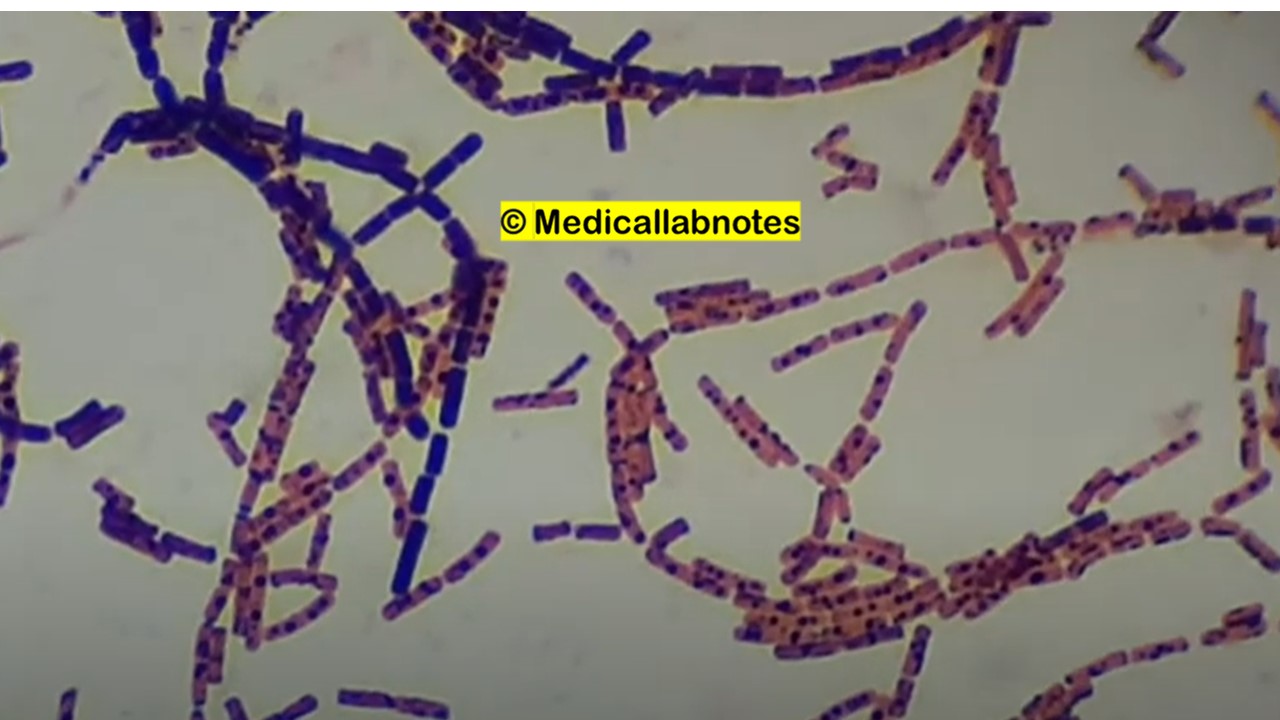
Bacillus Endospores Microscopy

Introduction Bacillus is a genus of gram-positive, rod-shaped bacteria that belongs to the phylum Firmicutes. These bacteria are commonly found in various environments, including soil, water, and the gastrointestinal tracts of animals. The name “Bacillus” is derived from the Latin word for “rod.” Bacillus species …

Read more

Pseudomonas aeruginosa: Introduction, Morphology, Pathogenicity, Lab Diagnosis, Treatment, Prevention, and Keynotes

Pseudomonas aeruginosa non-lactose fermenting (NLF) colony and mucoid lactose fermenting colony of Klebsiella pneumoniae on MacConkey medium

Introduction Pseudomonas aeruginosa is a Gram-negative bacterium that is widely distributed in nature and is known for its versatility and adaptability. It is an opportunistic pathogen capable of causing infections in humans, particularly in individuals with weakened immune systems or underlying medical conditions. P. aeruginosa …

Read more

Quorum Sensing: Introduction, Its Role in Virulence, and Possibilities for Its Control, and Keynotes

Another organism responsible for quorum sensing- Staphylococcus aureus and its growth on blood agar of clinical specimen, pus

Introduction Quorum sensing (QS) is a sophisticated cell-to-cell communication system used by bacteria to coordinate group behaviors based on the population density. It enables bacterial cells to communicate and synchronize their activities by detecting and responding to small signaling molecules called autoinducers. In quorum sensing, …

Read more

Acinetobacter: Introduction, Morphology, Pathogenicity, Lab Diagnosis, Treatment, Prevention, and Keynotes

Acinetobacter: Introduction, Morphology, Pathogenicity, Lab Diagnosis, Treatment, Prevention, and Keynotes

Introduction Acinetobacter is a genus of Gram-negative bacteria that are commonly found in the environment, including soil, water, and healthcare settings. While some species of Acinetobacter are harmless and part of the normal flora on human skin, others can cause opportunistic infections, particularly in healthcare-associated …

Read more

Biofilm: Introduction, Composition, Application, and Keynotes

Biofilm- Introduction, Composition, Application, and Keynotes

Introduction Biofilm refers to a complex community of microorganisms, such as bacteria, fungi, or algae, that adhere to surfaces and are encased within a self-produced matrix of extracellular polymeric substances (EPS). These microorganisms form a structured, organized, and protective community within the biofilm. Key points …

Read more