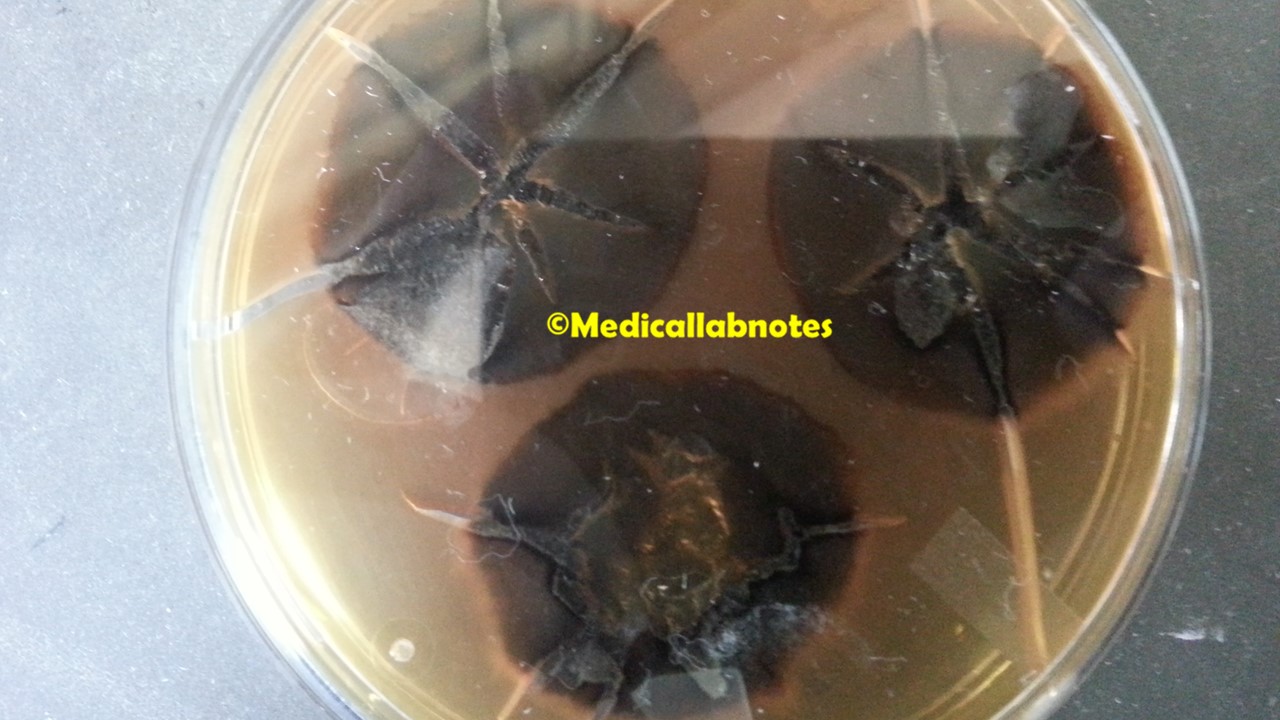
Syncephalastrum: Introduction, Morphology, Pathogenicity, Lab Diagnosis, Treatment, Prevention, and Keynotes
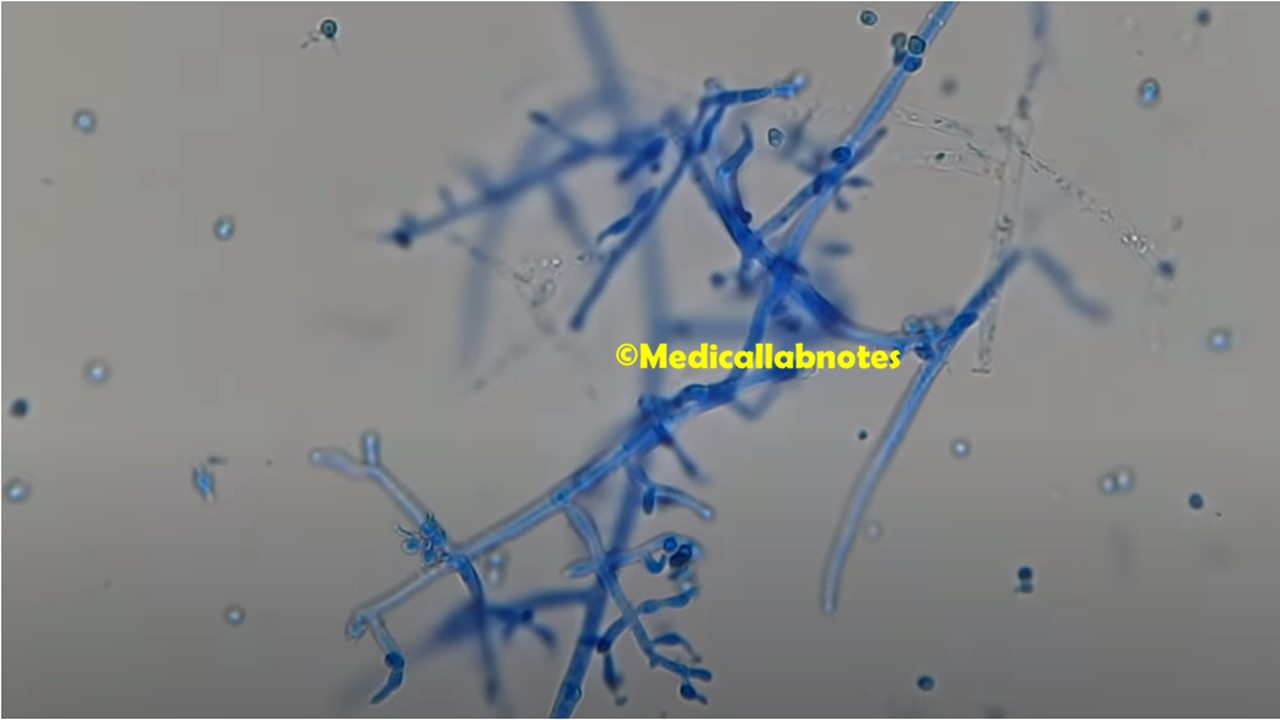
Introduction Syncephalastrum is a genus of fungi belonging to the order Mucorales. It is characterized by its unique morphology and life cycle, which differentiates it from other fungal groups. Syncephalastrum species are commonly found in soil and decaying organic matter, where they play essential roles …

Read more

Fusarium solani: Introduction, Morphology, Pathogenicity, Lab Diagnosis, Treatment, Prevention, and Keynotes

Macroconidia and conidiophores of Fusarium solani in LPCB tease mount of culture

Introduction Fusarium solani is a filamentous fungus belonging to the genus Fusarium. It is commonly found in the soil and is recognized as one of the most versatile and widespread species within the Fusarium genus. This fungus is known for its ecological importance, as it …

Read more

Curvularia: Introduction, Morphology, Pathogenicity, Lab Diagnosis, Treatment, Prevention, and Keynotes

Curvularia Colony characteristics on SDA-Reverse side view

Introduction Curvularia is a genus of filamentous fungi belonging to the family Pleosporaceae, commonly found in soil, decaying plant material, and various environmental niches. These fungi are known for their distinctive curved or sigmoid-shaped conidia (asexual spores), which give the genus its name. Characteristics: Pathogenicity: …

Read more

Aspergillus flavus: Introduction, Morphology, Pathogenicity, Lab Diagnosis, Treatment, Prevention, and Keynotes

Aspergillus flavus colony morphology on Czapek Dox Agar plate

Introduction Aspergillus flavus is a filamentous fungus belonging to the Aspergillus genus, which comprises a wide variety of mold species. This particular species is commonly found in the environment and is known for its economic and medical significance. It is commonly associated with food and …

Read more

Rhizopus: Introduction, Morphology, Pathogenicity, Lab Diagnosis, Treatment, Prevention, and Keynotes

Sporangiophores, columellae and rhizoids of Rhizopus species in LPCB preparation of culture microscopy

Introduction Rhizopus is a genus of fungi belonging to the phylum Zygomycota and the class Mucoromycotina. It is one of the most well-known and common genera of the Mucoraceae family. Rhizopus species are saprophytic fungi, meaning they obtain nutrients by decomposing organic matter in their …

Read more

Mucor: Introduction, Morphology, Pathogenicity, Lab Diagnosis, Treatment, Prevention, and Keynotes

Introduction Mucor is a genus of fungi belonging to the family Mucoraceae within the phylum Zygomycota. These fungi are commonly known as mold and are ubiquitous in the environment, found in soil, decaying organic matter, and on various surfaces. Mucor species play essential roles in …

Read more

Candida parapsilosis: Introduction, Morphology, Pathogenicity, Lab Diagnosis, Treatment, Prevention, and Keynotes

Candida parapsilosis growth on Candida CHROMagar

Introduction Candida parapsilosis is a species of yeast that belongs to the Candida genus, which includes various fungi commonly found in the environment and on the human body. Candida species are part of the normal human microbiota, residing on the skin, mucous membranes, and gastrointestinal …

Read more

Candida tropicalis: Introduction, Morphology, Pathogenicity, Lab Diagnosis, Treatment, Prevention, and Keynotes

Various Candida species grew on Candida CHROMAgar -Candida albicans (green), Candida tropicalis (cream-colored to light pink colonies), Candida glabrata (purple to lavender-color), Candida krusei(dark blue to mauve colonies), and Candida parapsilosis (cream-colored) as shown in the figure.

Introduction Candida tropicalis is a species of yeast, belonging to the Candida genus, commonly found in the environment and on the human body as part of the normal microbial flora. Similar to other Candida species, it can exist as a commensal organism, coexisting harmlessly with …

Read more