Penicillium: Introduction, Morphology, Pathogenicity, Lab Diagnosis, Treatment, Prevention, and Keynotes

Penicillium colony morphology on fungal culture medium

Introductio Penicillium is a genus of mold that belongs to the family Aspergillaceae within the fungal kingdom. It is one of the most important and well-known groups of fungi, particularly due to its significant impact on medicine, industry, and food production. The name “Penicillium” originates …

Read more

Acremonium: Introduction, Morphology, Pathogenicity, Lab Diagnosis, Treatment, Prevention, and Keynotes

Acremonium colony characteristics on Sabouraud dextrose agar of clinical specimen, ear discharge

Introduction Acremonium is a genus of fungi that belongs to the family Hypocreaceae within the order Hypocreales. It is a diverse group of molds commonly found in soil, plant material, and decaying organic matter. They are ubiquitous in nature and can be found in various …

Read more

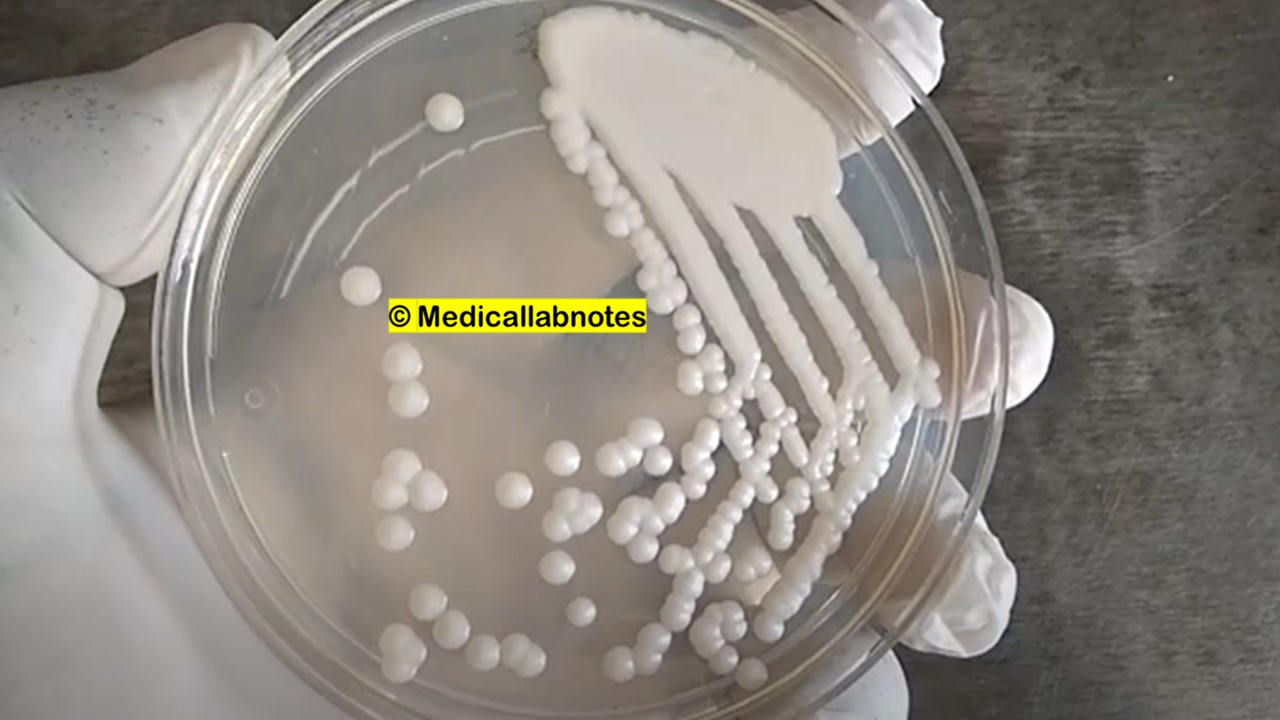
Cryptococcus: Introduction, Morphology, Pathogenicity, Lab Diagnosis, Treatment, Prevention, and Keynotes

Cryptococcus: Introduction, Morphology, Pathogenicity, Lab Diagnosis, Treatment, Prevention, and Keynotes

Introduction Cryptococcus is a genus of fungi that includes several species, the most common of which is Cryptococcus neoformans. These fungi are widely distributed in the environment, particularly in soil and bird droppings. Cryptococcus species are known for causing opportunistic infections, primarily affecting individuals with …

Read more

Absidia: Introduction, Morphology, Pathogenicity, Lab Diagnosis, Treatment, Prevention, and Keynotes

Absidia: Introduction, Morphology, Pathogenicity, Lab Diagnosis, Treatment, Prevention, and Keynotes

Introduction Absidia is a genus of filamentous fungi belonging to the class Zygomycetes. It is a member of the family Mucoraceae, which includes several other genera of molds. The genus Absidia comprises around 40 recognized species, with Absidia corymbifera being the most well-known and frequently …

Read more

Mycology Reference Laboratory: Introduction, Requirements, Mycological Tests, Importance and Keynotes

Introduction of Mycology Reference Laboratory A Mycology Reference Laboratory is a specialized laboratory that focuses on the identification, characterization, and study of fungi. Fungi are a diverse group of organisms that can cause a variety of infections in humans, animals, and plants, as well as …

Read more

Immunoassay: Introduction, Subgroups, List of Tests, and Keynotes

HIV ELISA Test Kit

Introduction of Immunoassay Immunoassay is a laboratory technique that uses antibodies to detect the presence and quantity of a substance in a sample. It relies on the specific binding between an antigen (the substance being detected) and an antibody (a protein produced by the immune …

Read more

Medical Lab Tests: Introduction, Panel of Tests, and Keynotes

Introduction of Medical Lab Tests Medical lab tests are tests performed on samples of blood, urine, or other body fluids or tissues to help diagnose, treat, and monitor various medical conditions. These tests provide important information about the functioning of organs and body systems, identify …

Read more

Dermatophyte Test Medium (DTM): Introduction, Composition, Principle, Test Requirements, Procedure, Result-Interpretation, Colony Characteristics, Modifications,Uses, and Keynotes

Dermatophytes growth on Dermatophyte Test Medium (DTM)

Introduction of Dermatophyte Test Medium (DTM) Dermatophyte Test Medium (DTM) is a selective and differential medium recommended for the cultivation and isolation of pathogenic dermatophytes. The Dermatophytes are a distinct group of fungi that infect the hair, skin, and nails in humans producing a variety of …

Read more