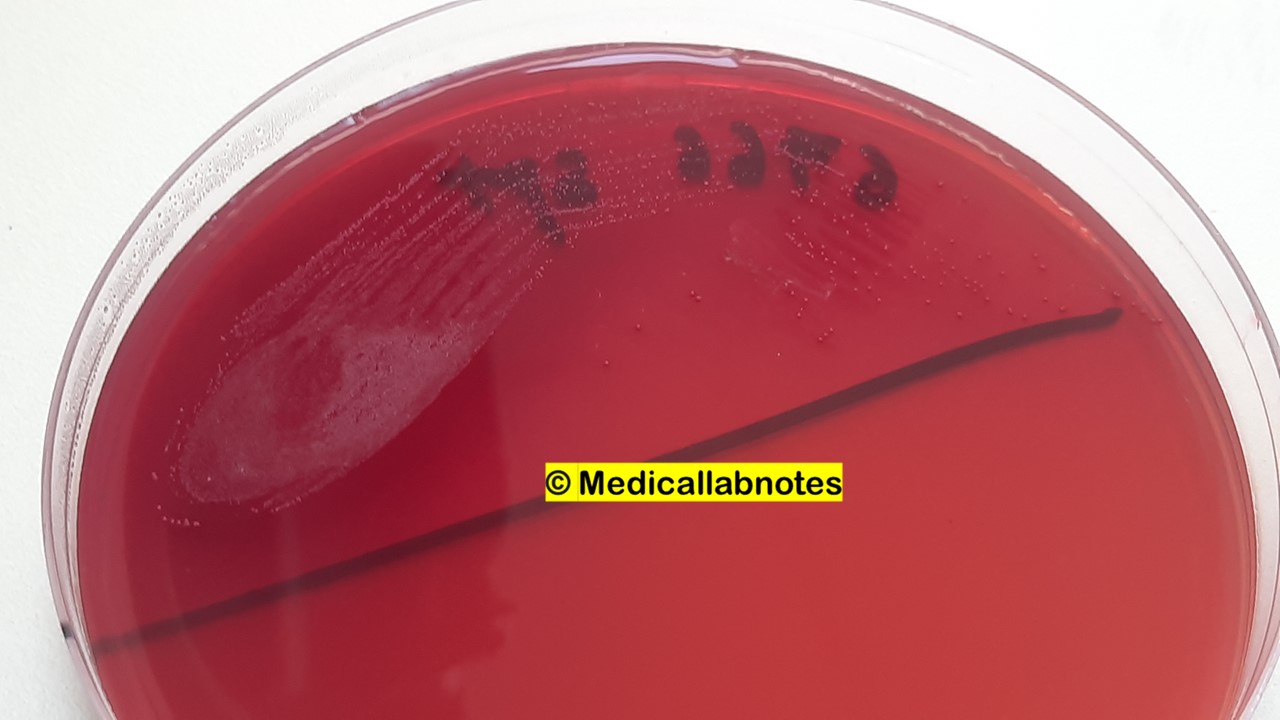
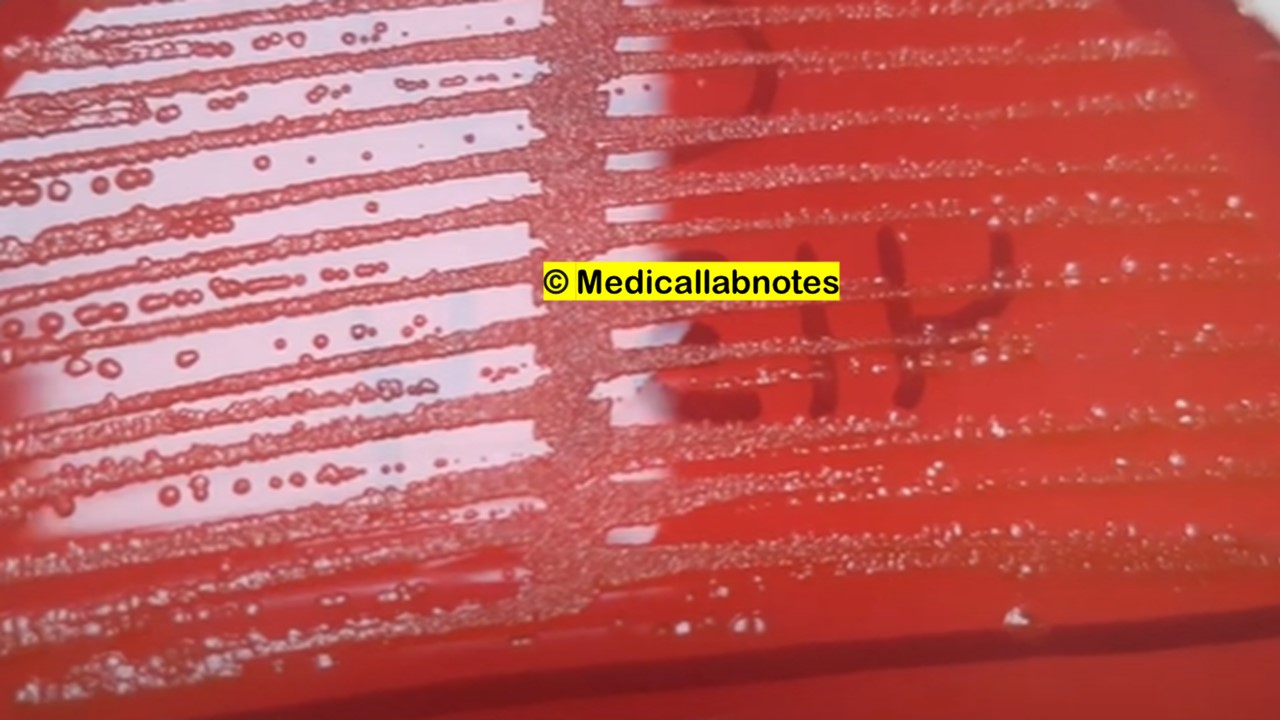
Pseudomonas aeruginosa: Introduction, Morphology, Pathogenicity, Lab Diagnosis, Treatment, Prevention, and Keynotes
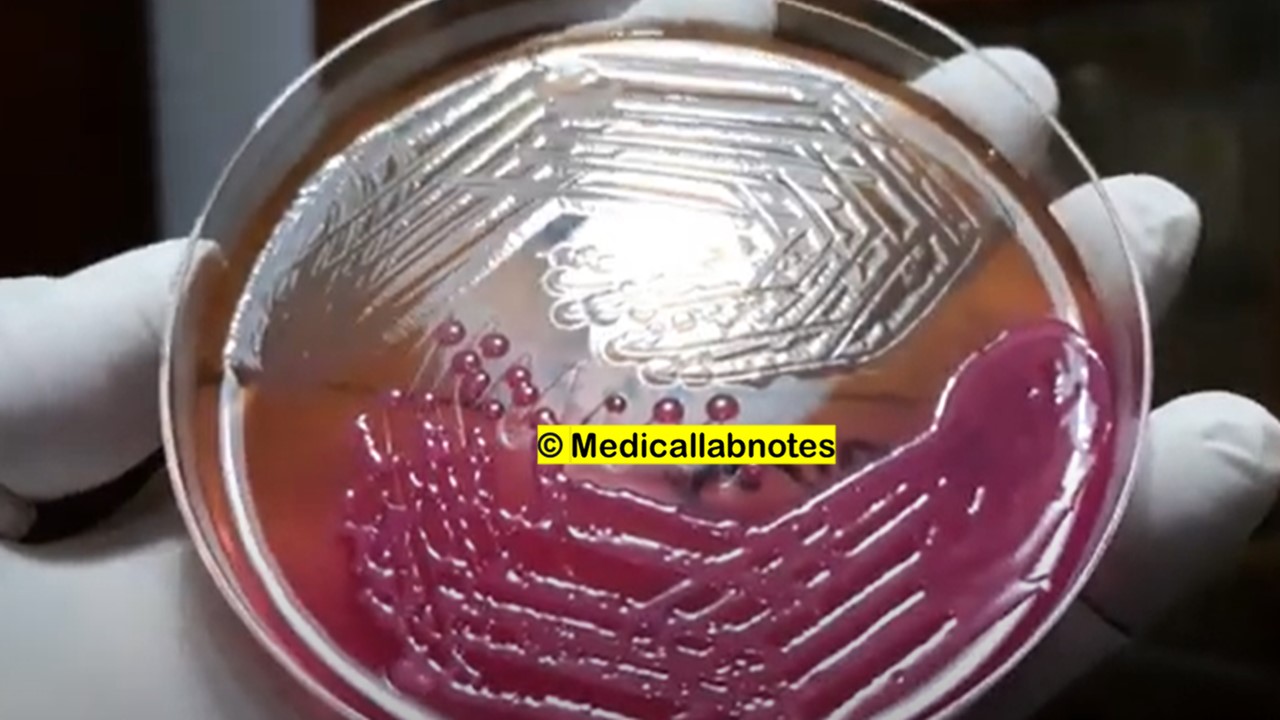
Pseudomonas aeruginosa non-lactose fermenting (NLF) colony and mucoid lactose fermenting colony of Klebsiella pneumoniae on MacConkey medium

Introduction Pseudomonas aeruginosa is a Gram-negative bacterium that is widely distributed in nature and is known for its versatility and adaptability. It is an opportunistic pathogen capable of causing infections in humans, particularly in individuals with weakened immune systems or underlying medical conditions. P. aeruginosa …

Read more

Quorum Sensing: Introduction, Its Role in Virulence, and Possibilities for Its Control, and Keynotes

Another organism responsible for quorum sensing- Staphylococcus aureus and its growth on blood agar of clinical specimen, pus

Introduction Quorum sensing (QS) is a sophisticated cell-to-cell communication system used by bacteria to coordinate group behaviors based on the population density. It enables bacterial cells to communicate and synchronize their activities by detecting and responding to small signaling molecules called autoinducers. In quorum sensing, …

Read more

Acinetobacter: Introduction, Morphology, Pathogenicity, Lab Diagnosis, Treatment, Prevention, and Keynotes

Acinetobacter: Introduction, Morphology, Pathogenicity, Lab Diagnosis, Treatment, Prevention, and Keynotes

Introduction Acinetobacter is a genus of Gram-negative bacteria that are commonly found in the environment, including soil, water, and healthcare settings. While some species of Acinetobacter are harmless and part of the normal flora on human skin, others can cause opportunistic infections, particularly in healthcare-associated …

Read more

Burkholderia cepacia: Introduction, Morphology, Pathogenicity, Lab Diagnosis, Treatment, Prevention, and Keynotes

Burkholderia cepacia: Introduction, Morphology, Pathogenicity, Lab Diagnosis, Treatment, Prevention, and Keynotes

Introduction Burkholderia cepacia is a species of gram-negative bacteria within the Burkholderia genus. It is a versatile and opportunistic pathogen that can cause infections in both immunocompromised and healthy individuals. B. cepacia is a significant concern, particularly in individuals with cystic fibrosis (CF) and other …

Read more

Shigella sonnei: Introduction, Morphology, Pathogenicity, Lab Diagnosis, Treatment, Prevention, and Keynotes

Shigella sonnei in wet mount of Tryptone soy broth microscopy

Introduction Shigella sonnei is a bacterium that is responsible for causing shigellosis, a type of bacterial infection affecting the digestive system. Shigellosis is commonly characterized by symptoms such as diarrhea, abdominal pain, fever, and occasionally, bloody stools. It is a specific serotype of the Shigella …

Read more

Streptococcus oralis:Introduction, Morphology, Pathogenicity, Lab Diagnosis, Treatment, Prevention, and Keynotes

Streptococcus oralis colony morphology on MacConkey agar

Introduction Streptococcus oralis is a gram-positive bacterium that belongs to the genus Streptococcus. It is a commensal bacterium that commonly inhabits the human oral cavity, along with other oral streptococci. S. oralis is considered a part of the normal oral microbiota and can be found …

Read more

Citrobacter freundii: Introduction, Morphology, Pathogenicity, Lab Diagnosis, Treatment, Prevention, and Keynotes

Citrobacter freundii growth on CLED agar of Urine Culture

Introduction Citrobacter freundii is a Gram-negative bacterium belonging to the Enterobacteriaceae family. It is commonly found in the environment, including soil, water, and the intestinal tracts of humans and animals. Citrobacter freundii is an opportunistic pathogen, meaning it can cause infections in individuals with weakened …

Read more

Morganella: Introduction, Morphology, Pathogenicity, Lab Diagnosis, Treatment, Prevention, and Keynotes

Morganella morganii Colony Morphology on CLED agar of Urine Culture

Introduction Morganella is a genus of bacteria belonging to the family Enterobacteriaceae. The genus was named after the bacteriologist John Morgan. Morganella species are gram-negative, rod-shaped bacteria that are commonly found in the environment, including soil, water, and sewage. One species of particular interest is …

Read more