Staphylococcus saprophyticus: Introduction, Morphology, Pathogenicity, Lab Diagnosis, Treatment, Prevention, and Keynotes

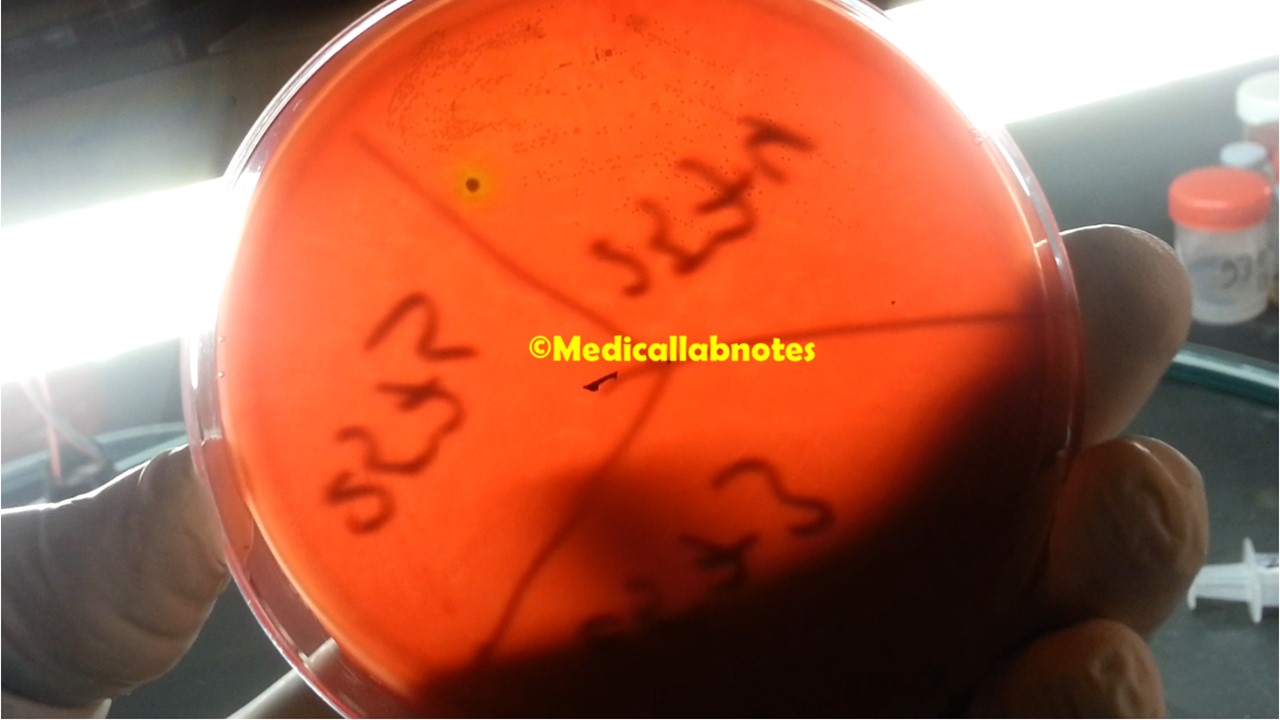
Staphylococcus saprophyticus on Muller-Hinton agar (MHA) showing novobiocin resistance

Introduction Staphylococcus saprophyticus is a species of bacteria that belongs to the genus Staphylococcus. It is a Gram-positive, coagulase-negative, and facultative anaerobic bacterium. Like other staphylococci, S. saprophyticus typically appears in clusters under a microscope, which is characteristic of its name, derived from the Greek …

Read more

Mycobacterium leprae: Introduction, Morphology, Pathogenicity, Lab Diagnosis, Treatment, Prevention, and Keynotes

Heavy load of acid fast bacilli (AFB) of Mycobacterium leprae in modified Ziehl-Neelsen staining of slit skin smear microscopy at a magnification of 1000X

Introduction Mycobacterium leprae is the bacterium responsible for causing leprosy, also known as Hansen’s disease. It is an ancient disease that has afflicted humans for thousands of years, and it continues to be a significant public health concern in some parts of the world. M. …

Read more

Herpes Simplex Virus (HSV): Introduction, Morphology, Pathogenicity, Lab Diagnosis, Treatment, Prevention, and Keynotes

Tzanck Smear- Positive of Herpes Simplex Virus (HSV)

Introduction Herpes Simplex Virus (HSV) is a common and highly contagious virus that infects humans. It belongs to the family Herpesviridae and is characterized by its ability to establish a lifelong infection in the host. HSV exists in two main types: HSV-1 and HSV-2. Transmission: …

Read more

Mycobacterium tuberculosis: Introduction, Morphology, Pathogenicity, Lab Diagnosis, Treatment, Prevention, and Keynotes

Mycobacterium tuberculosis colony morphology on LJ medium

Introduction Mycobacterium tuberculosis is a bacterium that causes tuberculosis (TB), a contagious infectious disease primarily affecting the lungs but can also affect other parts of the body. TB has been a significant public health concern worldwide, causing illness and death for thousands of years. Key …

Read more

Polymerase Chain Reaction (PCR): Introduction, Principle, Types, Application, and Keynotes

Amplicons or DNA or RNA fragments of amplification or replication events

Introduction Polymerase Chain Reaction, commonly known as PCR, is a powerful and widely used molecular biology technique that allows for the amplification of specific DNA sequences. Developed by Kary B. Mullis in 1983, PCR revolutionized the field of genetics and has become an essential tool …

Read more

Achromobacter xylosoxidans: Introduction, Morphology, Pathogenicity, Lab Diagnosis, Treatment, Prevention, and Keynotes

Gram negative rods (GNRs) or Gram negative bacilli (GNBs)of Achromobacter xylosoxidans in Gram staining of culture microscopy

Introduction Achromobacter xylosoxidans is a gram-negative, non-fermenting bacterium that belongs to the family Alcaligenaceae. It is an aerobic, rod-shaped bacterium known for its versatile metabolic capabilities and its widespread distribution in various environments, including soil, water, and hospital settings. Originally classified as Alcaligenes xylosoxidans, the …

Read more

Cerebrospinal fluid (CSF) Culture and Sensitivity: Introduction, Report, Clinical Significance, Common Pathogens, and Keynotes

Aspirated Cerebrospinal fluid (CSF) for Culture -Sensitivity, and more

Introduction Cerebrospinal fluid (CSF) culture and sensitivity is a medical laboratory test performed to detect and identify any infectious organisms that may be present in the cerebrospinal fluid. The CSF is a clear and colorless fluid that surrounds the brain and spinal cord, providing essential …

Read more

Streptococcus pneumoniae: Introduction, Morphology, Pathogenicity, Lab Diagnosis, Treatment, Prevention, and Keynotes

Optochin sensitive Streptococcus pneumoniae

Introduction Streptococcus pneumoniae, commonly known as pneumococcus, is a bacterium that can cause a wide range of infections in humans. It is one of the most significant pathogens responsible for various diseases, particularly pneumonia, meningitis, and otitis media (middle ear infections). Characteristics: Transmission: Diseases caused …

Read more