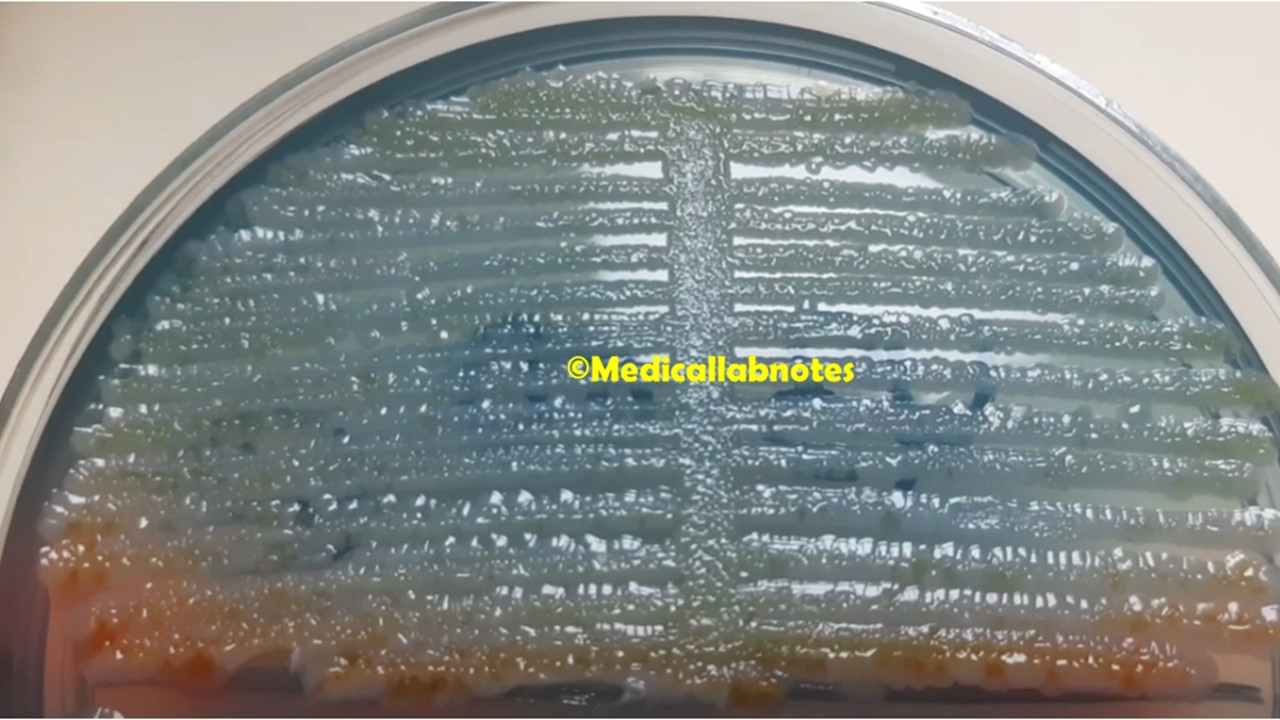
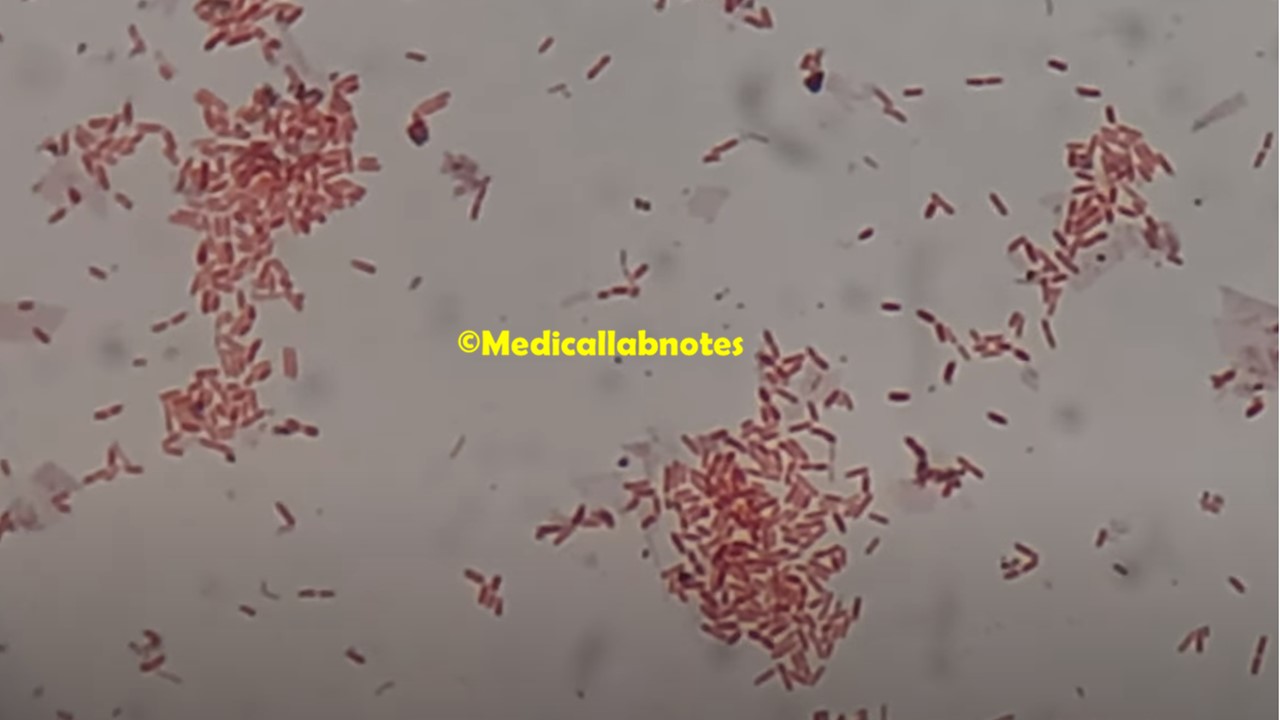
Legionella pneumophila: Introduction, Morphology, Pathogenicity, Lab Diagnosis, Treatment, Prevention, and Keynotes

Introduction Legionella pneumophila is a gram-negative, aerobic bacterium responsible for causing Legionnaires’ disease, a severe form of pneumonia, and Pontiac fever, a milder flu-like illness. It was first identified in 1976 when an outbreak of pneumonia affected attendees of an American Legion convention in Philadelphia, …

Read more

E. aerogenes: Introduction, Morphology, Pathogenicity, Lab Diagnosis, Treatment, Prevention, and Keynotes

Enterobacter aerogenes colony morphology on CLED agar of urine culture

Introduction Enterobacter aerogenes is a bacterium belonging to the Enterobacteriaceae family, which includes several other important pathogens and opportunistic bacteria. E. aerogenes is a Gram-negative, rod-shaped bacterium that is commonly found in various environments, including soil, water, and the gastrointestinal tracts of humans and animals. …

Read more

Gardnerella vaginalis: Introduction, Morphology, Pathogenicity, Lab Diagnosis, Treatment, Prevention, and Keynotes

Introduction Gardnerella vaginalis is a Gram-variable bacterium that is considered to be a facultative anaerobe, meaning it can survive in both aerobic and anaerobic environments. It is the main causative agent of bacterial vaginosis (BV), a common vaginal infection in women of reproductive age. BV …

Read more

Staphylococcus saprophyticus: Introduction, Morphology, Pathogenicity, Lab Diagnosis, Treatment, Prevention, and Keynotes

Staphylococcus saprophyticus on Muller-Hinton agar (MHA) showing novobiocin resistance

Introduction Staphylococcus saprophyticus is a species of bacteria that belongs to the genus Staphylococcus. It is a Gram-positive, coagulase-negative, and facultative anaerobic bacterium. Like other staphylococci, S. saprophyticus typically appears in clusters under a microscope, which is characteristic of its name, derived from the Greek …

Read more

Achromobacter xylosoxidans: Introduction, Morphology, Pathogenicity, Lab Diagnosis, Treatment, Prevention, and Keynotes

Gram negative rods (GNRs) or Gram negative bacilli (GNBs)of Achromobacter xylosoxidans in Gram staining of culture microscopy

Introduction Achromobacter xylosoxidans is a gram-negative, non-fermenting bacterium that belongs to the family Alcaligenaceae. It is an aerobic, rod-shaped bacterium known for its versatile metabolic capabilities and its widespread distribution in various environments, including soil, water, and hospital settings. Originally classified as Alcaligenes xylosoxidans, the …

Read more

Enterococcus faecium: Introduction, Morphology, Pathogenicity, Lab Diagnosis, Treatment, Prevention, and Keynotes

Gram positive cocci in singles, pairs and chains of Enterococcus faecium in Gram staining of culture microscopy

Introduction Enterococcus faecium is a bacterium that belongs to the Enterococcus genus, which is a part of the Firmicutes phylum. It is a Gram-positive, facultative anaerobic coccus, typically occurring in pairs or short chains. Enterococci are commensal bacteria commonly found in the gastrointestinal tract of …

Read more

Candida krusei: Introduction, Morphology, Pathogenicity, Lab Diagnosis, Treatment, Prevention, and Keynotes

Colony morphology of Candida krusei on SDA plate

Introduction Candida krusei is a species of yeast that belongs to the Candida genus. It is an opportunistic fungal pathogen known to cause infections in humans, particularly those with compromised immune systems or underlying medical conditions. C. krusei is an important member of the Candida …

Read more

Candida tropicalis: Introduction, Morphology, Pathogenicity, Lab Diagnosis, Treatment, Prevention, and Keynotes

Various Candida species grew on Candida CHROMAgar -Candida albicans (green), Candida tropicalis (cream-colored to light pink colonies), Candida glabrata (purple to lavender-color), Candida krusei(dark blue to mauve colonies), and Candida parapsilosis (cream-colored) as shown in the figure.

Introduction Candida tropicalis is a species of yeast, belonging to the Candida genus, commonly found in the environment and on the human body as part of the normal microbial flora. Similar to other Candida species, it can exist as a commensal organism, coexisting harmlessly with …

Read more