MALDI-TOF Mass Spectrometry: Introduction, Principle, Handling Procedure, Application, and Keynotes

Introduction Matrix-Assisted Laser Desorption/Ionization Time-of-Flight Mass Spectrometry, commonly abbreviated as MALDI-TOF MS, is a powerful analytical technique used in the field of mass spectrometry. It is widely employed for the identification and characterization of a diverse range of molecules, including proteins, peptides, nucleic acids, carbohydrates, …

Read more

Pleural Fluid Culture and Sensitivity: Introduction, Report, Clinical Significance, Common Pathogens, and Keynotes

Pleural fluid for laboratory diagnosis

Introduction Pleural fluid culture and sensitivity is a diagnostic test used to identify and determine the antibiotic susceptibility of microorganisms present in the pleural fluid. The pleural fluid is a clear fluid that accumulates between the two layers of the pleura, the membrane that surrounds …

Read more

Shewanella: Introduction, Morphology, Pathogenicity, Lab Diagnosis, Treatment, Prevention, and Keynotes

Shewanella species colony characteristics on Muller-Hinton agar (MHA)

Introduction Shewanella is a genus of Gram-negative, facultative anaerobic bacteria that belongs to the family Shewanellaceae. These bacteria are known for their remarkable versatility and adaptability to a wide range of environmental conditions. They were first discovered in 1980 by researchers studying microbial fuel cells, …

Read more

Pericardial Fluid Culture and Sensitivity: Introduction, Report, Clinical Significance, Common Pathogens, and Keynotes

Introduction Pericardial fluid culture and sensitivity is a diagnostic test performed to identify and determine the antibiotic susceptibility of microorganisms present in the pericardial fluid. The pericardium is a protective membrane that surrounds the heart, and the pericardial fluid is a small amount of fluid …

Read more

Achromobacter xylosoxidans: Introduction, Morphology, Pathogenicity, Lab Diagnosis, Treatment, Prevention, and Keynotes

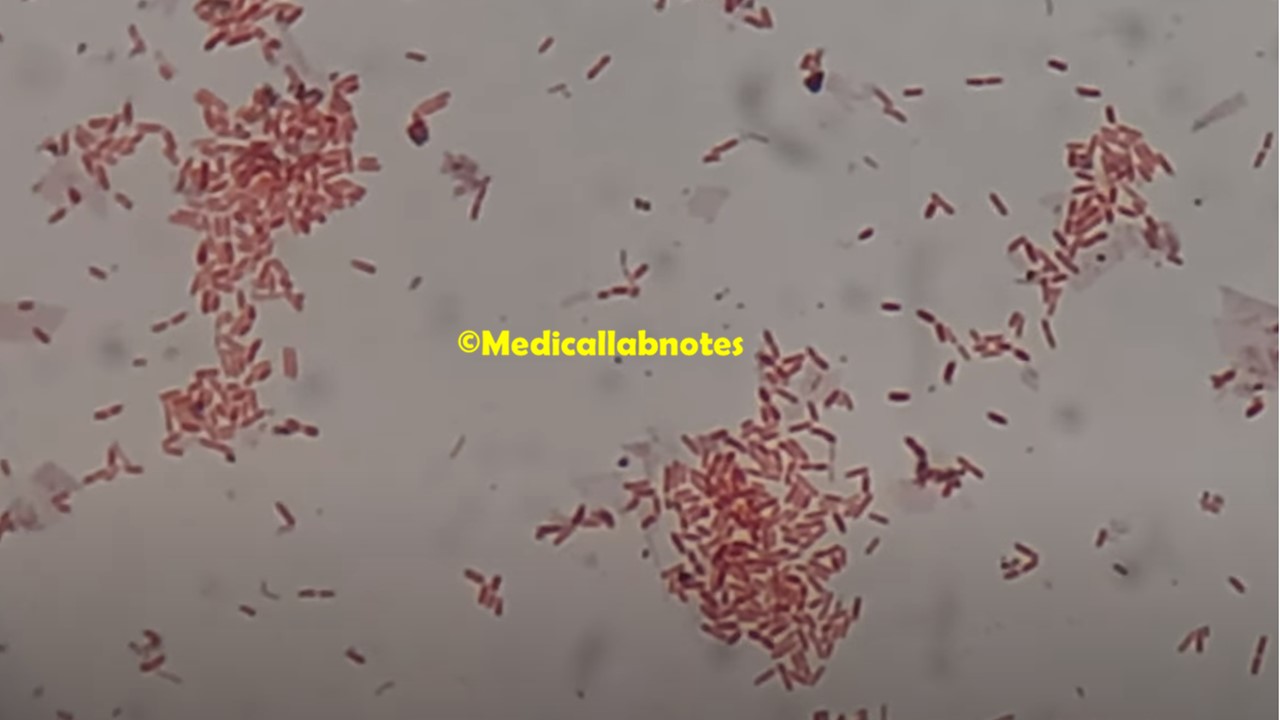
Gram negative rods (GNRs) or Gram negative bacilli (GNBs)of Achromobacter xylosoxidans in Gram staining of culture microscopy

Introduction Achromobacter xylosoxidans is a gram-negative, non-fermenting bacterium that belongs to the family Alcaligenaceae. It is an aerobic, rod-shaped bacterium known for its versatile metabolic capabilities and its widespread distribution in various environments, including soil, water, and hospital settings. Originally classified as Alcaligenes xylosoxidans, the …

Read more

Cerebrospinal fluid (CSF) Culture and Sensitivity: Introduction, Report, Clinical Significance, Common Pathogens, and Keynotes

Aspirated Cerebrospinal fluid (CSF) for Culture -Sensitivity, and more

Introduction Cerebrospinal fluid (CSF) culture and sensitivity is a medical laboratory test performed to detect and identify any infectious organisms that may be present in the cerebrospinal fluid. The CSF is a clear and colorless fluid that surrounds the brain and spinal cord, providing essential …

Read more

Sputum Culture and Sensitivity: Introduction, Report, Clinical Significance, Common Pathogens, and Keynotes

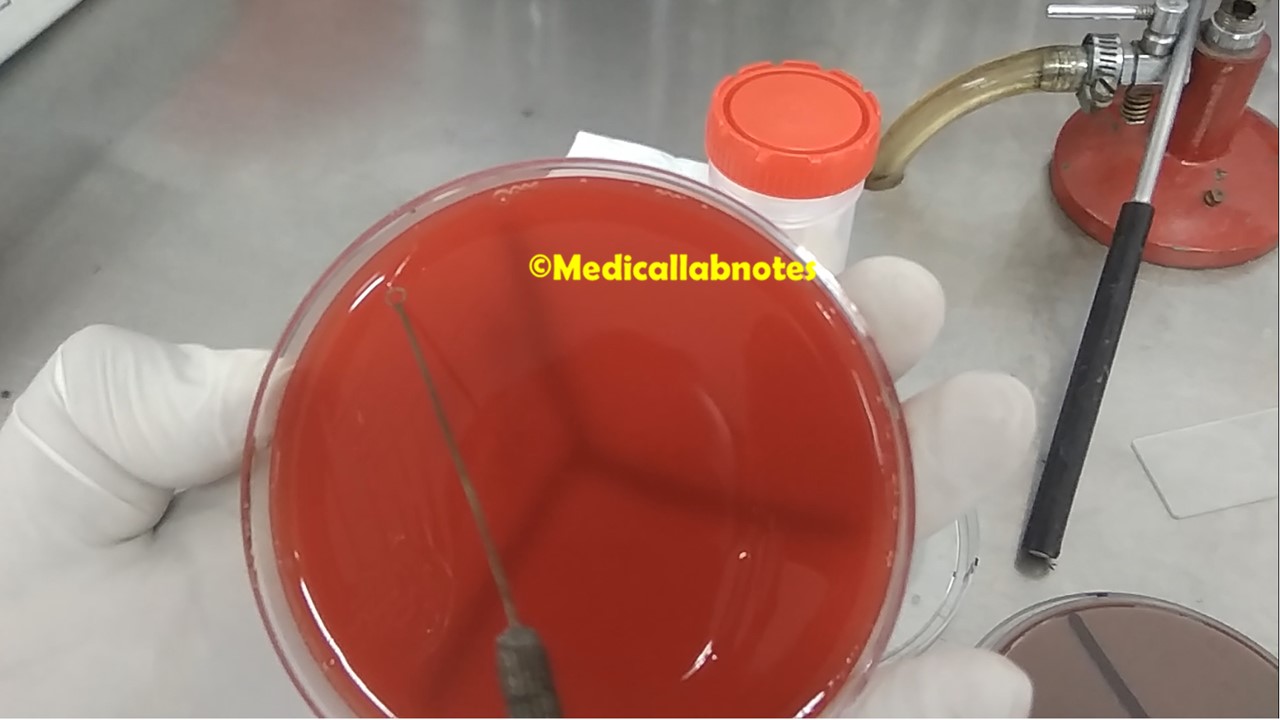
A step of sample inoculation on blood agar for Sputum Culture and Sensitivity

Introduction Sputum culture and sensitivity is a medical laboratory test used to identify and determine the susceptibility of bacteria or other microorganisms present in a patient’s sputum, a mixture of saliva and mucus coughed up from the respiratory tract. This diagnostic test is crucial in …

Read more

Pus Culture and Sensitivity: Introduction, Report, Clinical Significance, Common Pathogens, and Keynotes

Introduction Pus culture and sensitivity is a diagnostic test commonly performed in medical settings to identify and analyze the microorganisms present in a wound, abscess, or other sources of pus. Pus is a thick, yellowish or greenish fluid that accumulates at the site of infection …

Read more