Sputum Culture and Sensitivity: Introduction, Report, Clinical Significance, Common Pathogens, and Keynotes
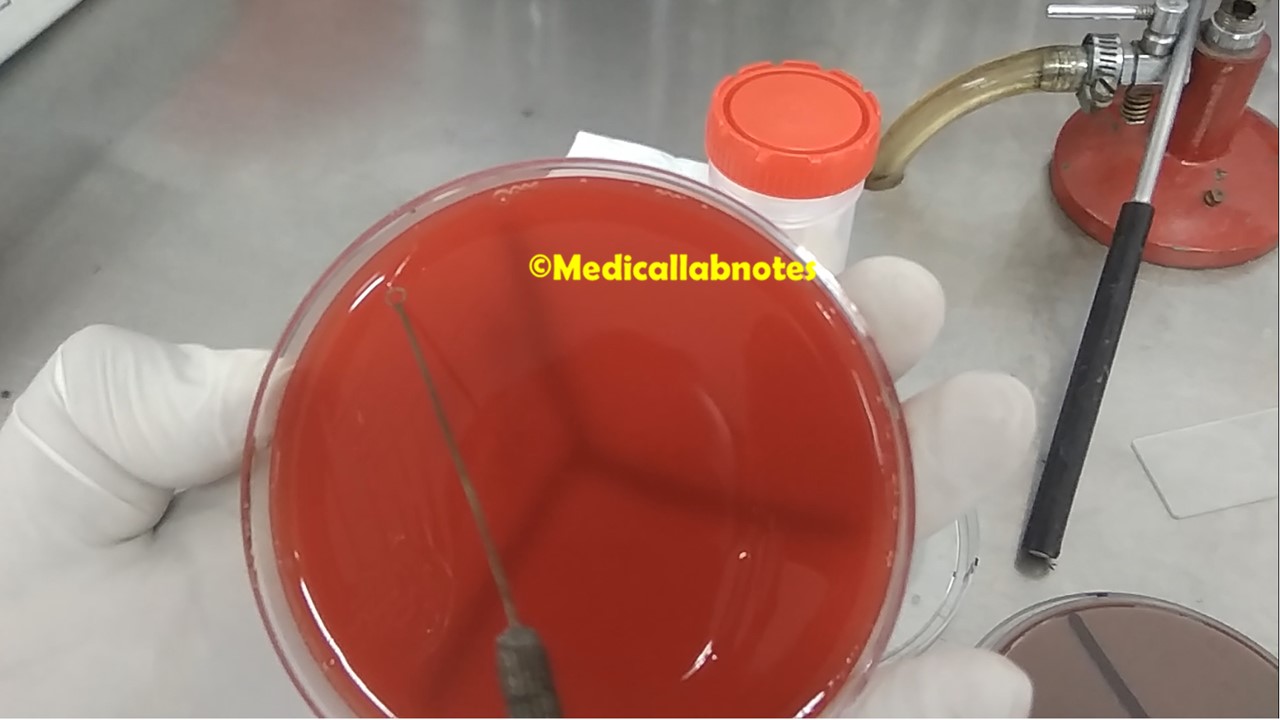
A step of sample inoculation on blood agar for Sputum Culture and Sensitivity

Introduction Sputum culture and sensitivity is a medical laboratory test used to identify and determine the susceptibility of bacteria or other microorganisms present in a patient’s sputum, a mixture of saliva and mucus coughed up from the respiratory tract. This diagnostic test is crucial in …

Read more

Streptococcus agalactiae: Introduction, Morphology, Pathogenicity, Lab Diagnosis, Treatment, Prevention, and Keynotes

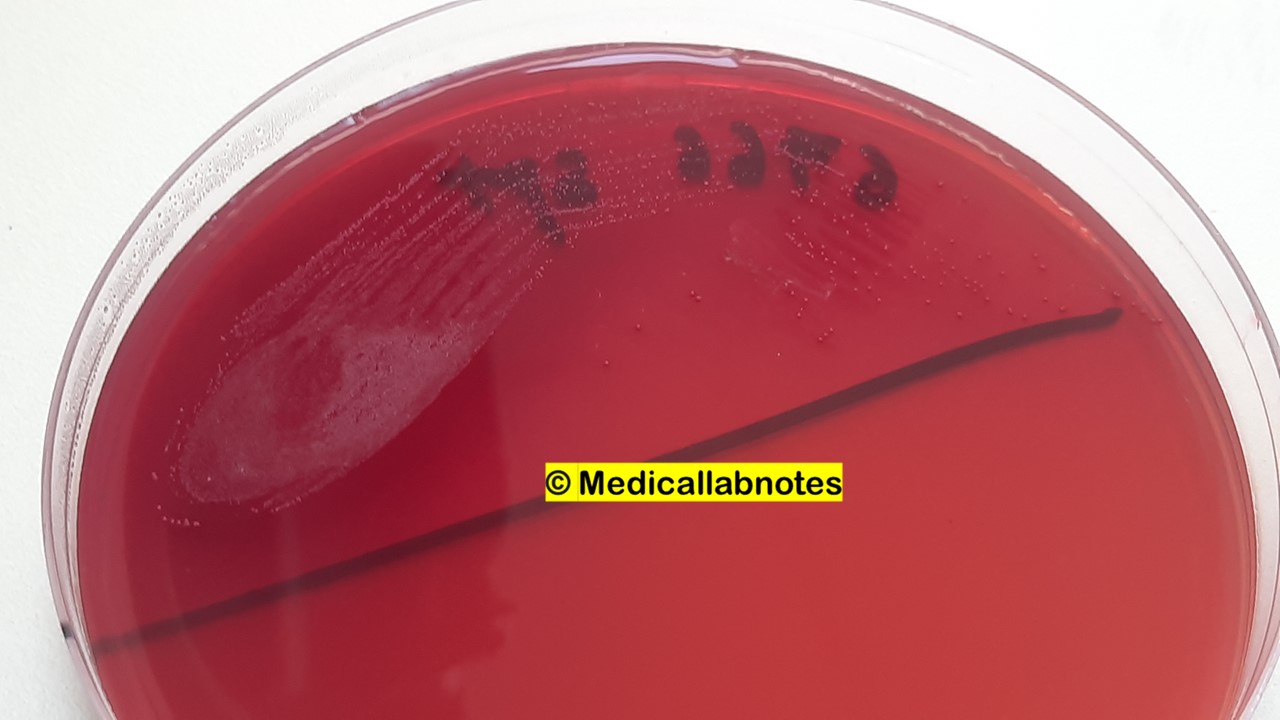
Beta-haemolytic colony of Streptococcus agalactiae on 5% sheep blood agar of clinical specimen, High Vaginal Swab (HVS)

Introduction Streptococcus agalactiae, commonly known as Group B Streptococcus (GBS), is a Gram-positive bacterium belonging to the Streptococcaceae family. It is a significant human pathogen known for causing various infections in both adults and newborns. The bacterium is typically found as a part of the …

Read more

Urine Culture and Sensitivity: Introduction, Report, Clinical Significance, Common Pathogens, and Keynotes

Urine routine examination showing numerous pus cells and bacteria -urinary tract infection (UTI) due to bacteria

Introduction Urine culture and sensitivity is a medical diagnostic test used to identify and quantify the microorganisms present in a urine sample and determine their sensitivity to various antibiotics. It is a crucial procedure in diagnosing urinary tract infections (UTIs) and guiding appropriate treatment. Here’s …

Read more

Simple Microscope: Introduction, Principle, Parts, Uses, Care and Maintenance, and Keynotes

Introduction A simple microscope is a basic optical instrument used for magnifying small objects or specimens that are not visible to the naked eye. It consists of a single lens that can be either convex or concave, mounted in a frame with a handle or …

Read more

Streptococcus agalactiae: Introduction, Morphology, Pathogenicity, Lab Diagnosis, Treatment, Prevention, and Keynotes

Introduction Streptococcus agalactiae, also known as Group B Streptococcus (GBS), is a Gram-positive bacterium that belongs to the Streptococcaceae family. It is a significant human pathogen and is commonly found in the gastrointestinal and genitourinary tracts of healthy adults. While it may not cause any …

Read more

Enterococcus: Introduction, Morphology, Pathogenicity, Lab Diagnosis, Treatment, Prevention, and Keynotes

Enterococcus faecium colony characteristics on CLED agar of Urine Culture

Introduction Enterococcus is a genus of Gram-positive bacteria that are part of the normal microbial flora of humans and animals. They are facultative anaerobes, meaning they can survive in both the presence and absence of oxygen. Enterococcus species are known for their ability to thrive …

Read more

Streptococcus oralis:Introduction, Morphology, Pathogenicity, Lab Diagnosis, Treatment, Prevention, and Keynotes

Streptococcus oralis colony morphology on MacConkey agar

Introduction Streptococcus oralis is a gram-positive bacterium that belongs to the genus Streptococcus. It is a commensal bacterium that commonly inhabits the human oral cavity, along with other oral streptococci. S. oralis is considered a part of the normal oral microbiota and can be found …

Read more

Mannitol Salt Agar (MSA): Introduction, Composition, Principle, Test Requirement, Procedure, Result -Interpretation, Limitation, and Keynotes

Staphylococcus aureus , CoNS and inhibited growth of Escherichia coli on MSA

Introduction of Mannitol salt agar (MSA) Mannitol Salt Agar (MSA) is a selective, differential, and indicator medium which is used to isolate and identify S. aureus from clinical and non-clinical specimens. Other Staphylococcus species and Micrococcus also grow on this medium. Selective is due to very high salt (7.5%) compared with other media. Gram-Positive Staphylococcus: …

Read more