Bloodstream Infections(BSI): Introduction, Types, Sign and Symptoms, Common Pathogens, Laboratory Diagnosis, Treatment, Prevention and Control, and Keynotes

Introduction Bloodstream infections (BSI), also known as bacteremia or septicemia, are serious medical conditions characterized by the presence of bacteria or other pathogens in the bloodstream. This condition can lead to severe health complications and even be life-threatening if not promptly diagnosed and treated. Bloodstream …
Read more

E. aerogenes: Introduction, Morphology, Pathogenicity, Lab Diagnosis, Treatment, Prevention, and Keynotes

Enterobacter aerogenes colony morphology on CLED agar of urine culture

Introduction Enterobacter aerogenes is a bacterium belonging to the Enterobacteriaceae family, which includes several other important pathogens and opportunistic bacteria. E. aerogenes is a Gram-negative, rod-shaped bacterium that is commonly found in various environments, including soil, water, and the gastrointestinal tracts of humans and animals. …

Read more

Enterococcus faecium: Introduction, Morphology, Pathogenicity, Lab Diagnosis, Treatment, Prevention, and Keynotes

Gram positive cocci in singles, pairs and chains of Enterococcus faecium in Gram staining of culture microscopy

Introduction Enterococcus faecium is a bacterium that belongs to the Enterococcus genus, which is a part of the Firmicutes phylum. It is a Gram-positive, facultative anaerobic coccus, typically occurring in pairs or short chains. Enterococci are commensal bacteria commonly found in the gastrointestinal tract of …

Read more

Pus Culture and Sensitivity: Introduction, Report, Clinical Significance, Common Pathogens, and Keynotes

Introduction Pus culture and sensitivity is a diagnostic test commonly performed in medical settings to identify and analyze the microorganisms present in a wound, abscess, or other sources of pus. Pus is a thick, yellowish or greenish fluid that accumulates at the site of infection …

Read more

Extended Spectrum Beta-Lactamase (ESBL): Introduction, List of Bacteria, Pathogenicity, Symptoms, Lab Diagnosis, Treatment, Prevention, and Keynotes

Extended spectrum beta lactamase (ESBL) detection using Double-Disc Synergy Test (DDST)

Introduction ESBL stands for Extended-Spectrum Beta-Lactamase. It refers to a group of enzymes produced by certain types of bacteria that can break down and inactivate a broad range of antibiotics called beta-lactams. Beta-lactams include commonly used antibiotics like penicillins, cephalosporins, and carbapenems. ESBL-producing bacteria are …

Read more

Aspergillus niger: Introduction, Morphology, Pathogenicity, Lab Diagnosis, Treatment, Prevention, and Keynotes

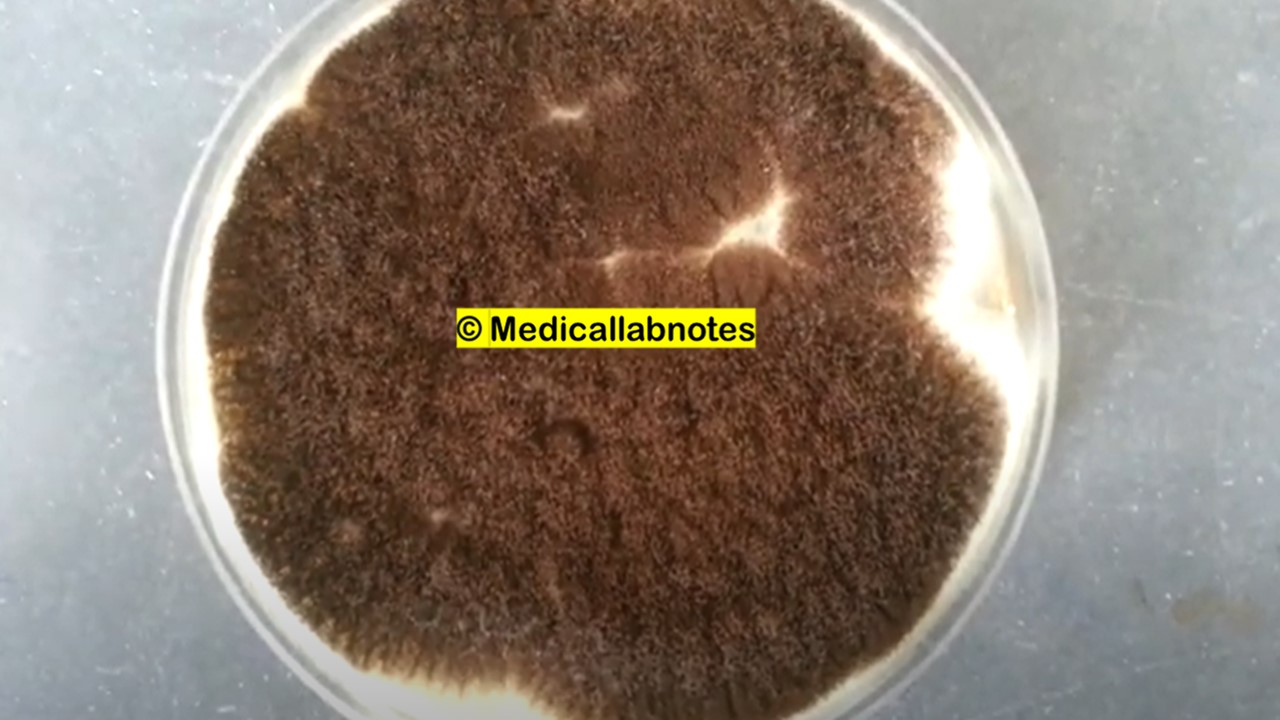
Aspergillus niger growth on SDA-conidia expressing a distinguishing feature- typically globose or elliptical in shape and have a dark color, ranging from dark green to black

Introduction Aspergillus niger is a filamentous fungus belonging to the genus Aspergillus. It is commonly found in the environment, especially in soil, decaying plant matter, and indoor environments such as homes and offices. It is known for its ability to produce a wide range of …

Read more

Acinetobacter: Introduction, Morphology, Pathogenicity, Lab Diagnosis, Treatment, Prevention, and Keynotes

Acinetobacter: Introduction, Morphology, Pathogenicity, Lab Diagnosis, Treatment, Prevention, and Keynotes

Introduction Acinetobacter is a genus of Gram-negative bacteria that are commonly found in the environment, including soil, water, and healthcare settings. While some species of Acinetobacter are harmless and part of the normal flora on human skin, others can cause opportunistic infections, particularly in healthcare-associated …

Read more

Enterococcus: Introduction, Morphology, Pathogenicity, Lab Diagnosis, Treatment, Prevention, and Keynotes

Enterococcus faecium colony characteristics on CLED agar of Urine Culture

Introduction Enterococcus is a genus of Gram-positive bacteria that are part of the normal microbial flora of humans and animals. They are facultative anaerobes, meaning they can survive in both the presence and absence of oxygen. Enterococcus species are known for their ability to thrive …

Read more