Escherichia coli: Introduction, Morphology, Pathogenicity, Lab Diagnosis, Treatment, Prevention, and Keynotes

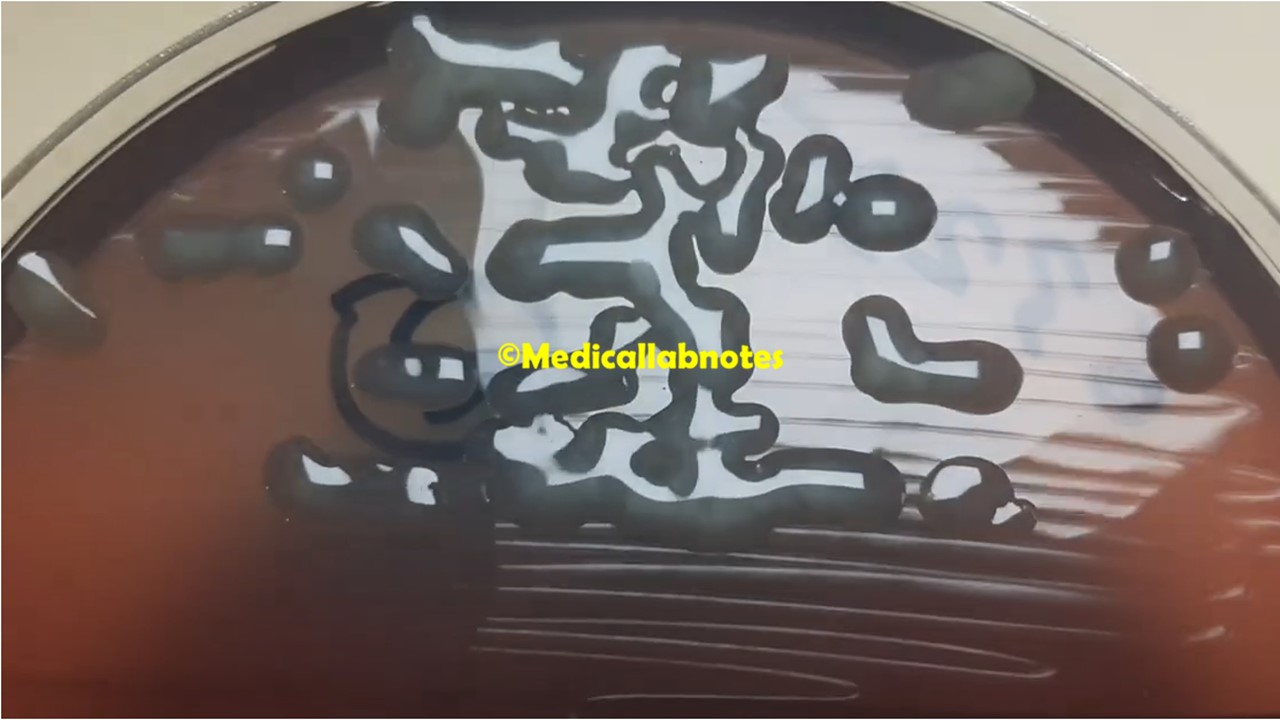
Greenish metallic sheen of Escherichia coli on Eosin Methylene Blue (EMB) Agar

Introduction Escherichia coli, often abbreviated as E. coli, is a gram-negative, rod-shaped bacterium belonging to the Enterobacteriaceae family. It is one of the most commonly studied and well-known bacteria, both because of its importance in scientific research and its relevance in various aspects of human …

Read more

Citrobacter koseri: Introduction, Morphology, Pathogenicity, Lab Diagnosis, Treatment, Prevention, and Keynotes

Mucoid colony of Citrobacter koseri on CLED agar of urine specimen

Introduction Citrobacter koseri, formerly known as Citrobacter diversus, is a gram-negative bacterium belonging to the Enterobacteriaceae family. It is a facultative anaerobe, meaning it can grow both in the presence and absence of oxygen. The species name “koseri” is a tribute to the bacteriologist Leo …

Read more

Semen Culture and Sensitivity: Introduction, Report, Clinical Significance, Common Pathogens, and Keynotes

Semen Culture and Sensitivity: Introduction, Report, Clinical Significance, Common Pathogens, and Keynotes

Introduction Semen culture and sensitivity is a medical test used to evaluate the presence of microorganisms in a man’s semen (ejaculate) and determine their susceptibility to various antibiotics. It is an essential diagnostic tool used to investigate male reproductive health issues, particularly when there are …

Read more

Streptococcus agalactiae: Introduction, Morphology, Pathogenicity, Lab Diagnosis, Treatment, Prevention, and Keynotes

Introduction Streptococcus agalactiae, also known as Group B Streptococcus (GBS), is a Gram-positive bacterium that belongs to the Streptococcaceae family. It is a significant human pathogen and is commonly found in the gastrointestinal and genitourinary tracts of healthy adults. While it may not cause any …

Read more

Nasal Swab Culture and Sensitivity: Introduction, Report, Clinical Significance, Common Pathogens, and Keynotes

Nasal Swab Culture and Sensitivity Introduction, Report, Clinical Significance, Common Pathogens, and Keynotes

Introduction Nasal swab culture and sensitivity is a diagnostic laboratory test used to identify and determine the antibiotic sensitivity of microorganisms present in the nasal passages. It is a valuable tool in the diagnosis and management of various respiratory infections, particularly those caused by bacteria. …

Read more

Neisseria gonorrhoeae:Introduction, Morphology, Pathogenicity, Lab Diagnosis, Treatment, Prevention, and Keynotes

Introduction Neisseria gonorrhoeae, commonly known as gonococcus or simply gonorrhea, is a Gram-negative bacterium that causes the sexually transmitted infection (STI) known as gonorrhea. It is one of the most prevalent and widely recognized bacterial STIs worldwide, primarily transmitted through sexual contact with an infected …

Read more

Haemophilus influenzae: Introduction, Morphology, Pathogenicity, Lab Diagnosis, Treatment, Prevention, and Keynotes

Introduction Haemophilus influenzae is a Gram-negative bacterium that was originally believed to be the causative agent of influenza (the flu). However, it was later discovered that H. influenzae is not related to the viral infection that causes influenza. Instead, this bacterium is known for causing …

Read more

Extended Spectrum Beta-Lactamase (ESBL): Introduction, List of Bacteria, Pathogenicity, Symptoms, Lab Diagnosis, Treatment, Prevention, and Keynotes

Extended spectrum beta lactamase (ESBL) detection using Double-Disc Synergy Test (DDST)

Introduction ESBL stands for Extended-Spectrum Beta-Lactamase. It refers to a group of enzymes produced by certain types of bacteria that can break down and inactivate a broad range of antibiotics called beta-lactams. Beta-lactams include commonly used antibiotics like penicillins, cephalosporins, and carbapenems. ESBL-producing bacteria are …

Read more