Achromobacter xylosoxidans: Introduction, Morphology, Pathogenicity, Lab Diagnosis, Treatment, Prevention, and Keynotes

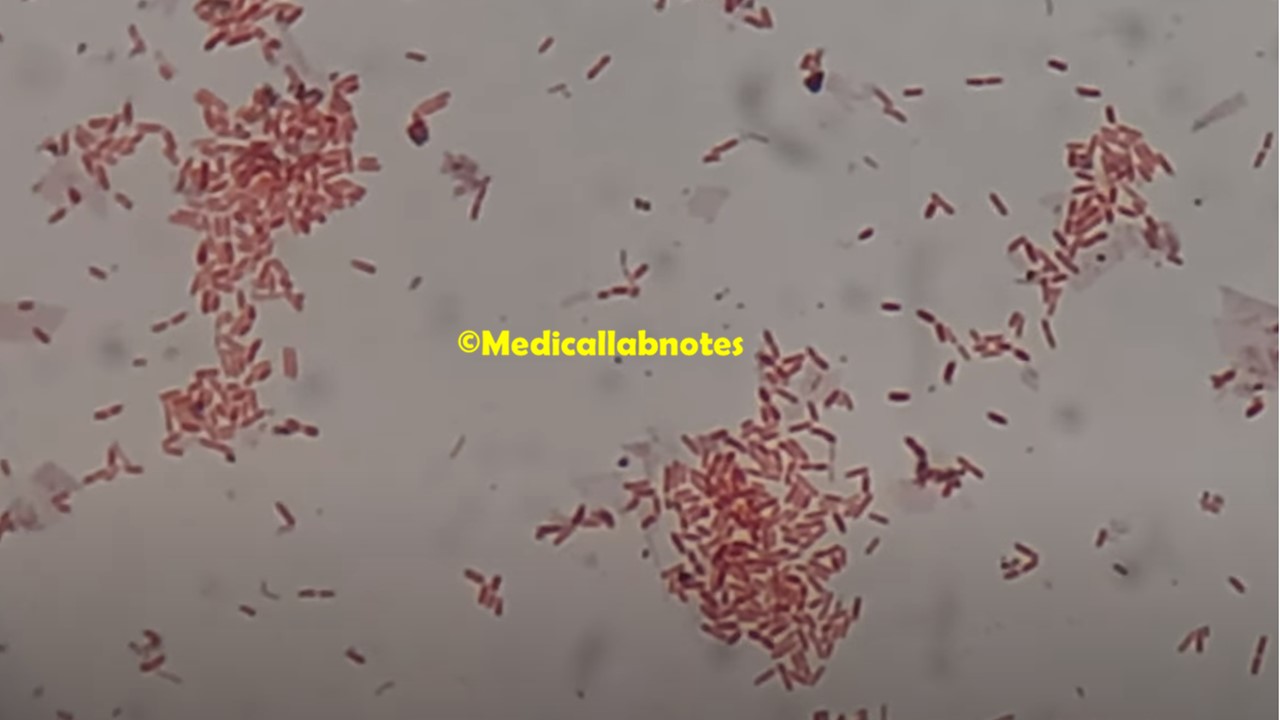
Gram negative rods (GNRs) or Gram negative bacilli (GNBs)of Achromobacter xylosoxidans in Gram staining of culture microscopy

Introduction Achromobacter xylosoxidans is a gram-negative, non-fermenting bacterium that belongs to the family Alcaligenaceae. It is an aerobic, rod-shaped bacterium known for its versatile metabolic capabilities and its widespread distribution in various environments, including soil, water, and hospital settings. Originally classified as Alcaligenes xylosoxidans, the …

Read more

Streptococcus pneumoniae: Introduction, Morphology, Pathogenicity, Lab Diagnosis, Treatment, Prevention, and Keynotes

Optochin sensitive Streptococcus pneumoniae

Introduction Streptococcus pneumoniae, commonly known as pneumococcus, is a bacterium that can cause a wide range of infections in humans. It is one of the most significant pathogens responsible for various diseases, particularly pneumonia, meningitis, and otitis media (middle ear infections). Characteristics: Transmission: Diseases caused …

Read more

Enterococcus faecium: Introduction, Morphology, Pathogenicity, Lab Diagnosis, Treatment, Prevention, and Keynotes

Gram positive cocci in singles, pairs and chains of Enterococcus faecium in Gram staining of culture microscopy

Introduction Enterococcus faecium is a bacterium that belongs to the Enterococcus genus, which is a part of the Firmicutes phylum. It is a Gram-positive, facultative anaerobic coccus, typically occurring in pairs or short chains. Enterococci are commensal bacteria commonly found in the gastrointestinal tract of …

Read more

Sputum Culture and Sensitivity: Introduction, Report, Clinical Significance, Common Pathogens, and Keynotes

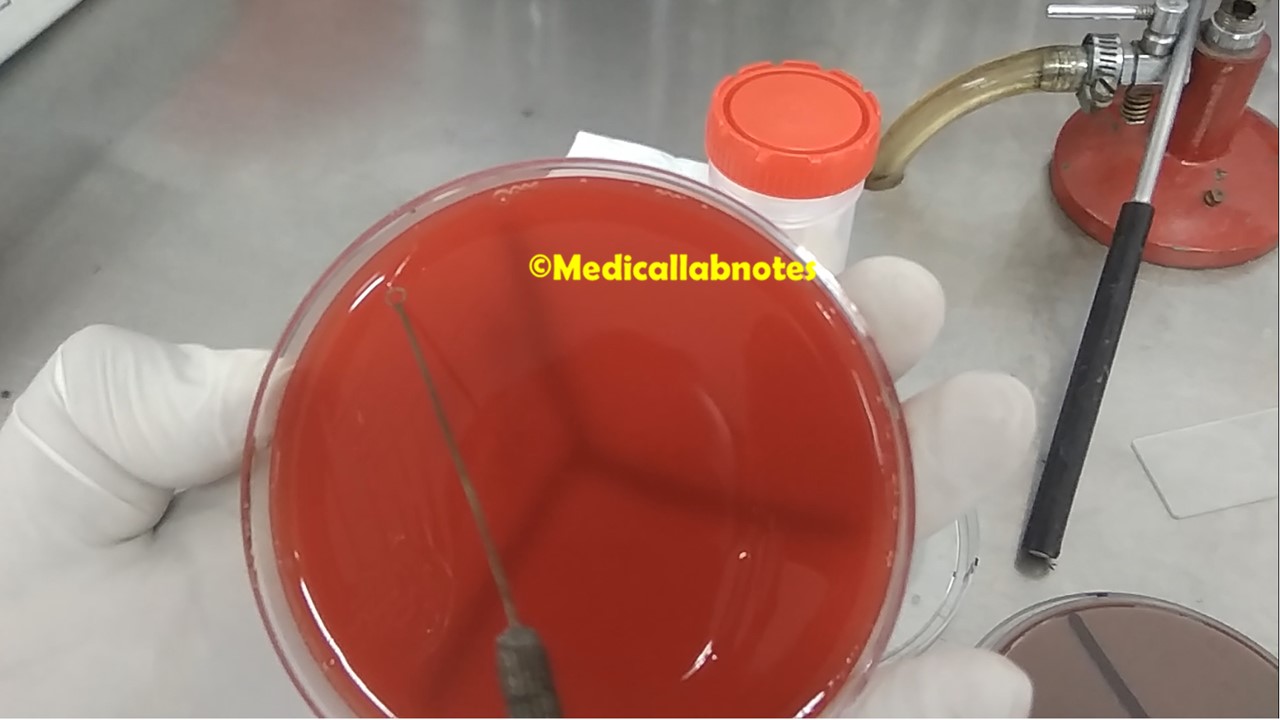
A step of sample inoculation on blood agar for Sputum Culture and Sensitivity

Introduction Sputum culture and sensitivity is a medical laboratory test used to identify and determine the susceptibility of bacteria or other microorganisms present in a patient’s sputum, a mixture of saliva and mucus coughed up from the respiratory tract. This diagnostic test is crucial in …

Read more

Pus Culture and Sensitivity: Introduction, Report, Clinical Significance, Common Pathogens, and Keynotes

Introduction Pus culture and sensitivity is a diagnostic test commonly performed in medical settings to identify and analyze the microorganisms present in a wound, abscess, or other sources of pus. Pus is a thick, yellowish or greenish fluid that accumulates at the site of infection …

Read more

Urine Culture and Sensitivity: Introduction, Report, Clinical Significance, Common Pathogens, and Keynotes

Urine routine examination showing numerous pus cells and bacteria -urinary tract infection (UTI) due to bacteria

Introduction Urine culture and sensitivity is a medical diagnostic test used to identify and quantify the microorganisms present in a urine sample and determine their sensitivity to various antibiotics. It is a crucial procedure in diagnosing urinary tract infections (UTIs) and guiding appropriate treatment. Here’s …

Read more

Chlamydia trachomatis: Introduction, Morphology, Pathogenicity, Lab Diagnosis, Treatment, Prevention, and Keynotes

Introduction Chlamydia trachomatis is a gram-negative bacterium and is an important human pathogen known for causing several diseases. It is an obligate intracellular bacterium, meaning it can only survive and reproduce inside host cells. C. trachomatis primarily infects epithelial cells of the mucous membranes in …

Read more

Mycoplasma hominis: Introduction, Morphology, Pathogenicity, Lab Diagnosis, Treatment, Prevention, and Keynotes

Introduction Mycoplasma hominis is a species of bacteria belonging to the Mollicutes class. It is a unique microorganism as it lacks a cell wall, making it one of the smallest self-replicating organisms known. Due to this feature, it has a pleomorphic appearance, taking various shapes, …

Read more