Fusarium solani: Introduction, Morphology, Pathogenicity, Lab Diagnosis, Treatment, Prevention, and Keynotes

Macroconidia and conidiophores of Fusarium solani in LPCB tease mount of culture

Introduction Fusarium solani is a filamentous fungus belonging to the genus Fusarium. It is commonly found in the soil and is recognized as one of the most versatile and widespread species within the Fusarium genus. This fungus is known for its ecological importance, as it …

Read more

Aspergillus fumigatus: Introduction, Morphology, Pathogenicity, Lab Diagnosis, Treatment, Prevention, and Keynotes

Aspergillus fumigatus colony morphology on Czapek-Dox agar plate

Introduction Aspergillus fumigatus is a filamentous fungus and one of the most common and clinically relevant species in the Aspergillus genus. It is widely distributed in the environment and can be found in soil, compost, decaying vegetation, and indoor environments. It is known for its …

Read more

Candida krusei: Introduction, Morphology, Pathogenicity, Lab Diagnosis, Treatment, Prevention, and Keynotes

Colony morphology of Candida krusei on SDA plate

Introduction Candida krusei is a species of yeast that belongs to the Candida genus. It is an opportunistic fungal pathogen known to cause infections in humans, particularly those with compromised immune systems or underlying medical conditions. C. krusei is an important member of the Candida …

Read more

Scedosporium: Introduction, Morphology, Pathogenicity, Lab Diagnosis, Treatment, Prevention, and Keynotes

Scedosporium colony morphology on Sabouraud dextrose agar (SDA) of clinical specimen, pus culture

Introduction Scedosporium is a genus of fungi that belongs to the phylum Ascomycota. It is a medically important group of molds known for their ability to cause a wide range of infections in humans. The genus was first described in 1913 by Paul Vuillemin and …

Read more

Trichosporon: Introduction, Morphology, Pathogenicity, Lab Diagnosis, Treatment, Prevention, and Keynotes

Trichosporon colony morphology on potato dextrose agar (PDA) of clinical specimen culture

Introduction Trichosporon is a genus of yeast-like fungi that belongs to the phylum Basidiomycota. It is commonly found in the environment, especially in soil, water, and various organic matter. Trichosporon species can be opportunistic pathogens, and they are known to cause infections in both humans …

Read more

Burkholderia cepacia: Introduction, Morphology, Pathogenicity, Lab Diagnosis, Treatment, Prevention, and Keynotes

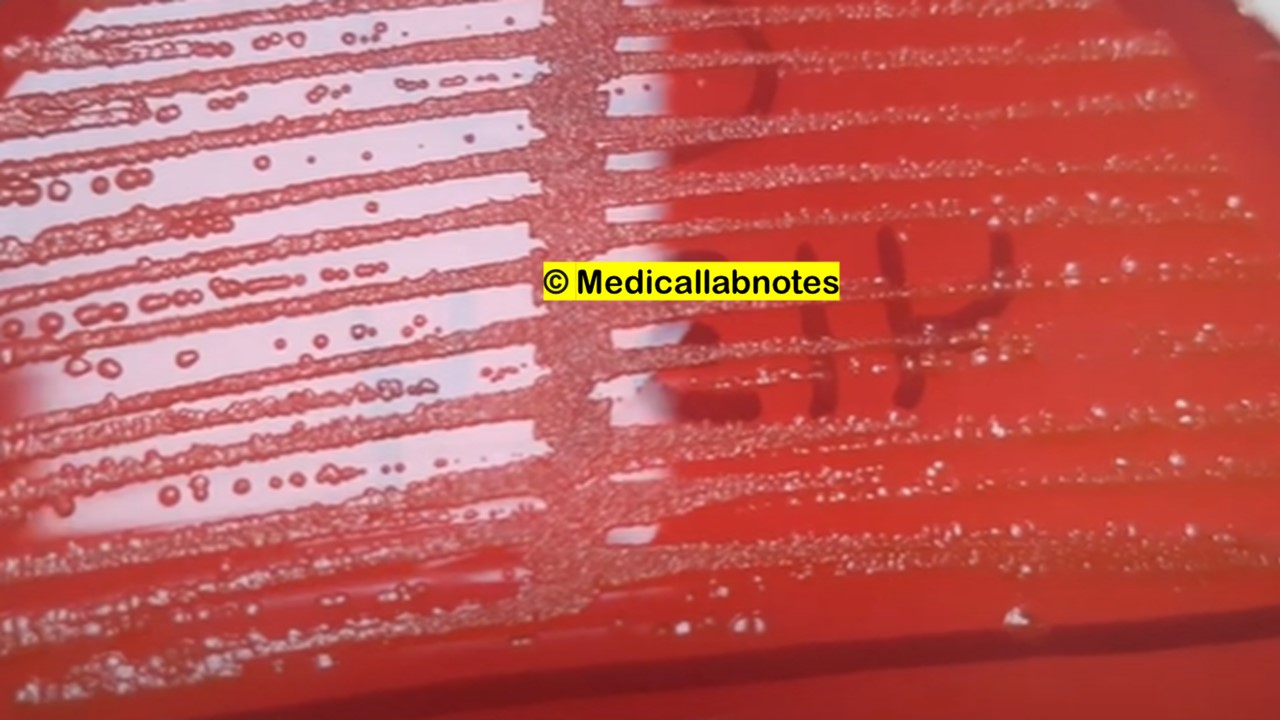
Burkholderia cepacia: Introduction, Morphology, Pathogenicity, Lab Diagnosis, Treatment, Prevention, and Keynotes

Introduction Burkholderia cepacia is a species of gram-negative bacteria within the Burkholderia genus. It is a versatile and opportunistic pathogen that can cause infections in both immunocompromised and healthy individuals. B. cepacia is a significant concern, particularly in individuals with cystic fibrosis (CF) and other …

Read more

Citrobacter freundii: Introduction, Morphology, Pathogenicity, Lab Diagnosis, Treatment, Prevention, and Keynotes

Citrobacter freundii growth on CLED agar of Urine Culture

Introduction Citrobacter freundii is a Gram-negative bacterium belonging to the Enterobacteriaceae family. It is commonly found in the environment, including soil, water, and the intestinal tracts of humans and animals. Citrobacter freundii is an opportunistic pathogen, meaning it can cause infections in individuals with weakened …

Read more

Serratia fonticola: Introduction, Morphology, Pathogenicity, Lab Diagnosis, Treatment,Prevention, and Keynotes

Gram negative bacilli or rods of Serratia fonticola in Bronchoalveolar lavage (BAL) sample Gram staining

Introduction Serratia fonticola is a Gram-negative bacterium that belongs to the genus Serratia. It was first isolated and described in 1998 from water samples in a freshwater spring in California, USA. Since its discovery, S. fonticola has been identified in various environmental sources, including soil, …

Read more