Bloodstream Infections(BSI): Introduction, Types, Sign and Symptoms, Common Pathogens, Laboratory Diagnosis, Treatment, Prevention and Control, and Keynotes

Introduction Bloodstream infections (BSI), also known as bacteremia or septicemia, are serious medical conditions characterized by the presence of bacteria or other pathogens in the bloodstream. This condition can lead to severe health complications and even be life-threatening if not promptly diagnosed and treated. Bloodstream …
Read more

Pneumonia: Introduction, Types, Sign and Symptoms, Common Pathogens, Laboratory Diagnosis, Treatment, Prevention and Control, and Keynotes

Introduction Pneumonia is a common and potentially serious respiratory infection that affects the lungs. It can be caused by various infectious agents, including bacteria, viruses, fungi, and other microorganisms. The infection causes inflammation and swelling in the air sacs of the lungs, known as alveoli, …

Read more

Microsporum ferrugineum: Introduction, Morphology, Pathogenicity, Lab Diagnosis, Treatment, Prevention, and Keynotes

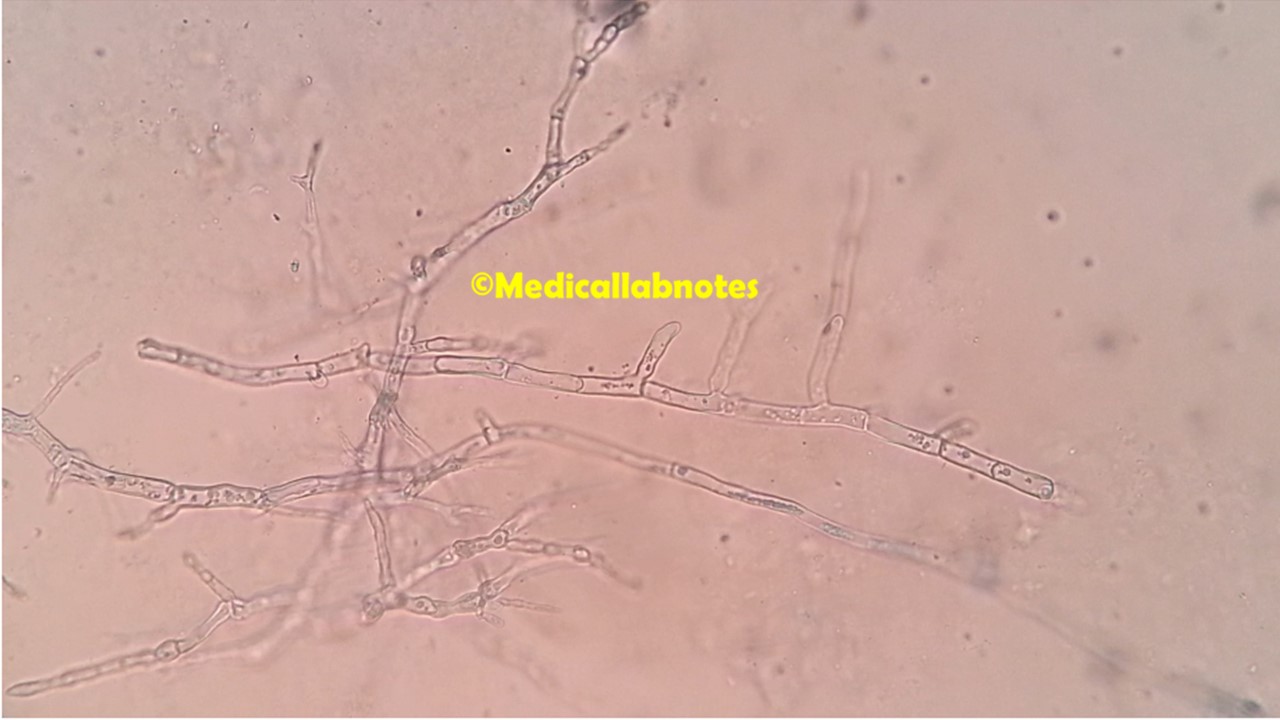
Microsporum ferrugineum in LPCB taese mount of culture microscopy showing typical bamboo hyphae and lacking production of both microconidia and macroconidia

Introduction Microsporum ferrugineum is a species of dermatophytic fungus that belongs to the genus Microsporum. Dermatophytes are a group of fungi that are capable of infecting and colonizing the outer layers of the skin, hair, and nails, causing various dermatophytosis or “ringworm” infections in humans …

Read more

MALDI-TOF Mass Spectrometry: Introduction, Principle, Handling Procedure, Application, and Keynotes

Introduction Matrix-Assisted Laser Desorption/Ionization Time-of-Flight Mass Spectrometry, commonly abbreviated as MALDI-TOF MS, is a powerful analytical technique used in the field of mass spectrometry. It is widely employed for the identification and characterization of a diverse range of molecules, including proteins, peptides, nucleic acids, carbohydrates, …

Read more

Pleural Fluid Culture and Sensitivity: Introduction, Report, Clinical Significance, Common Pathogens, and Keynotes

Pleural fluid for laboratory diagnosis

Introduction Pleural fluid culture and sensitivity is a diagnostic test used to identify and determine the antibiotic susceptibility of microorganisms present in the pleural fluid. The pleural fluid is a clear fluid that accumulates between the two layers of the pleura, the membrane that surrounds …

Read more

Pericardial Fluid Culture and Sensitivity: Introduction, Report, Clinical Significance, Common Pathogens, and Keynotes

Introduction Pericardial fluid culture and sensitivity is a diagnostic test performed to identify and determine the antibiotic susceptibility of microorganisms present in the pericardial fluid. The pericardium is a protective membrane that surrounds the heart, and the pericardial fluid is a small amount of fluid …

Read more

Polymerase Chain Reaction (PCR): Introduction, Principle, Types, Application, and Keynotes

Amplicons or DNA or RNA fragments of amplification or replication events

Introduction Polymerase Chain Reaction, commonly known as PCR, is a powerful and widely used molecular biology technique that allows for the amplification of specific DNA sequences. Developed by Kary B. Mullis in 1983, PCR revolutionized the field of genetics and has become an essential tool …

Read more

Sputum Culture and Sensitivity: Introduction, Report, Clinical Significance, Common Pathogens, and Keynotes

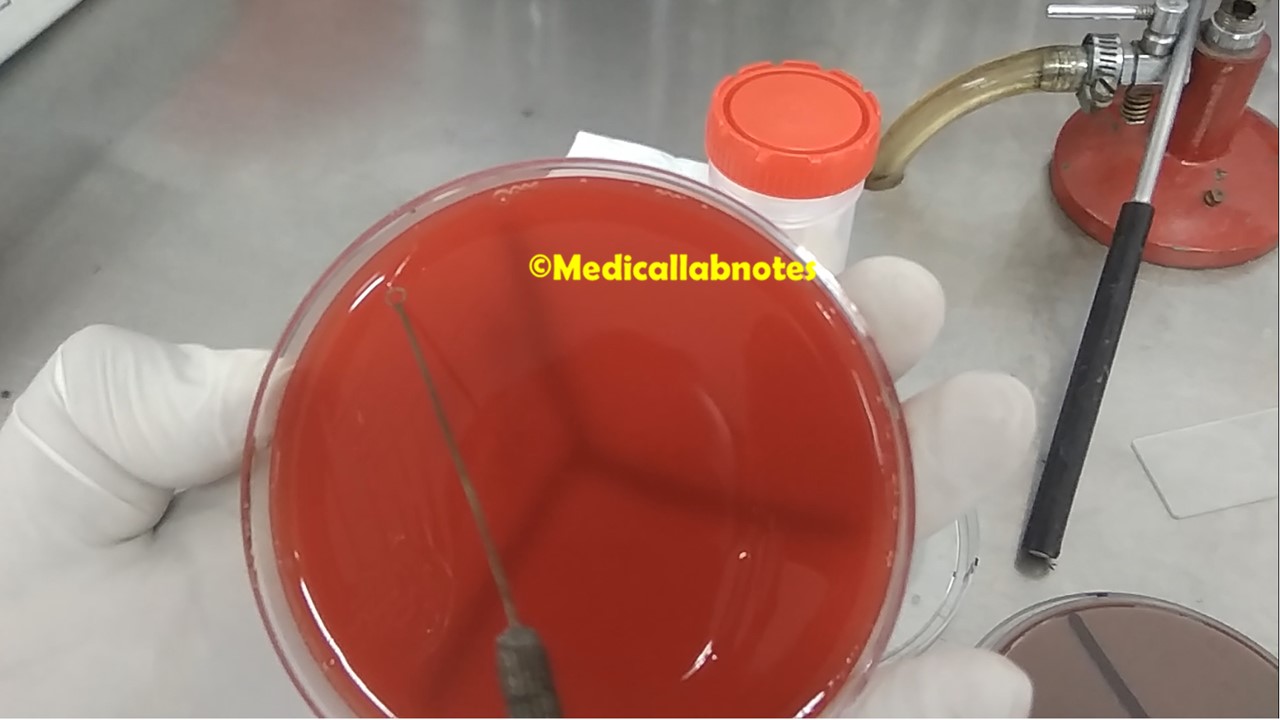
A step of sample inoculation on blood agar for Sputum Culture and Sensitivity

Introduction Sputum culture and sensitivity is a medical laboratory test used to identify and determine the susceptibility of bacteria or other microorganisms present in a patient’s sputum, a mixture of saliva and mucus coughed up from the respiratory tract. This diagnostic test is crucial in …

Read more