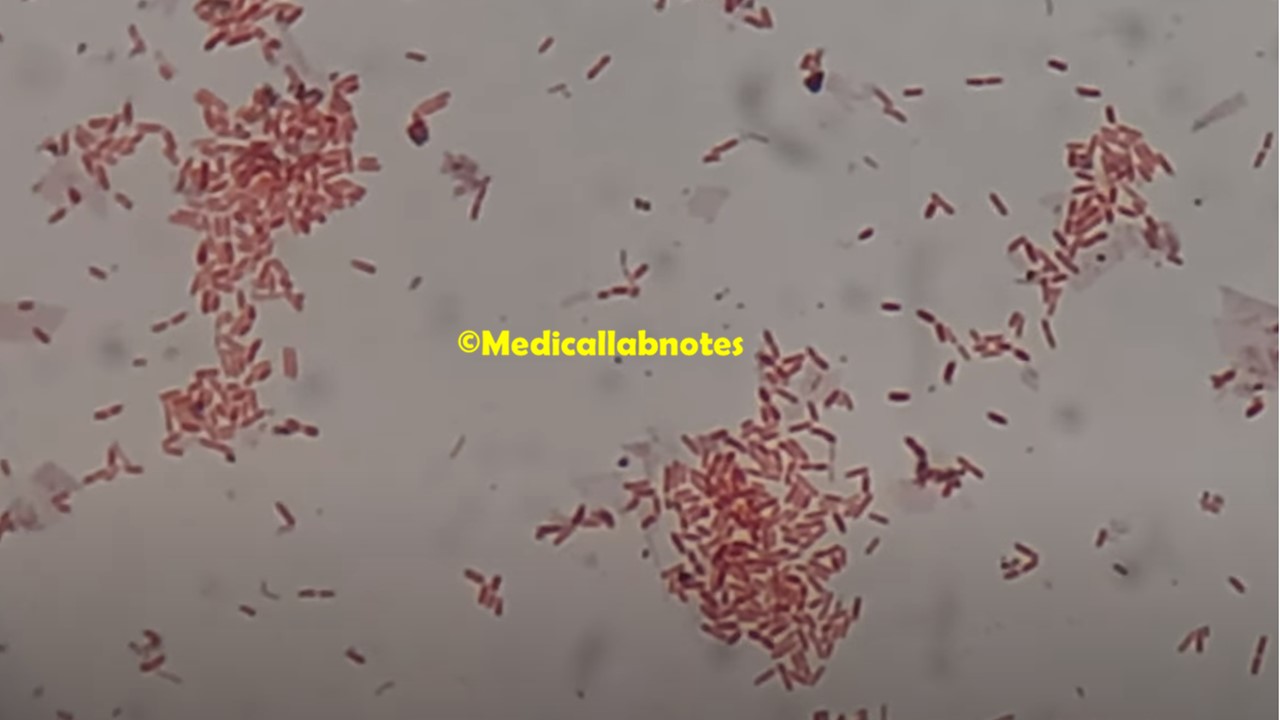
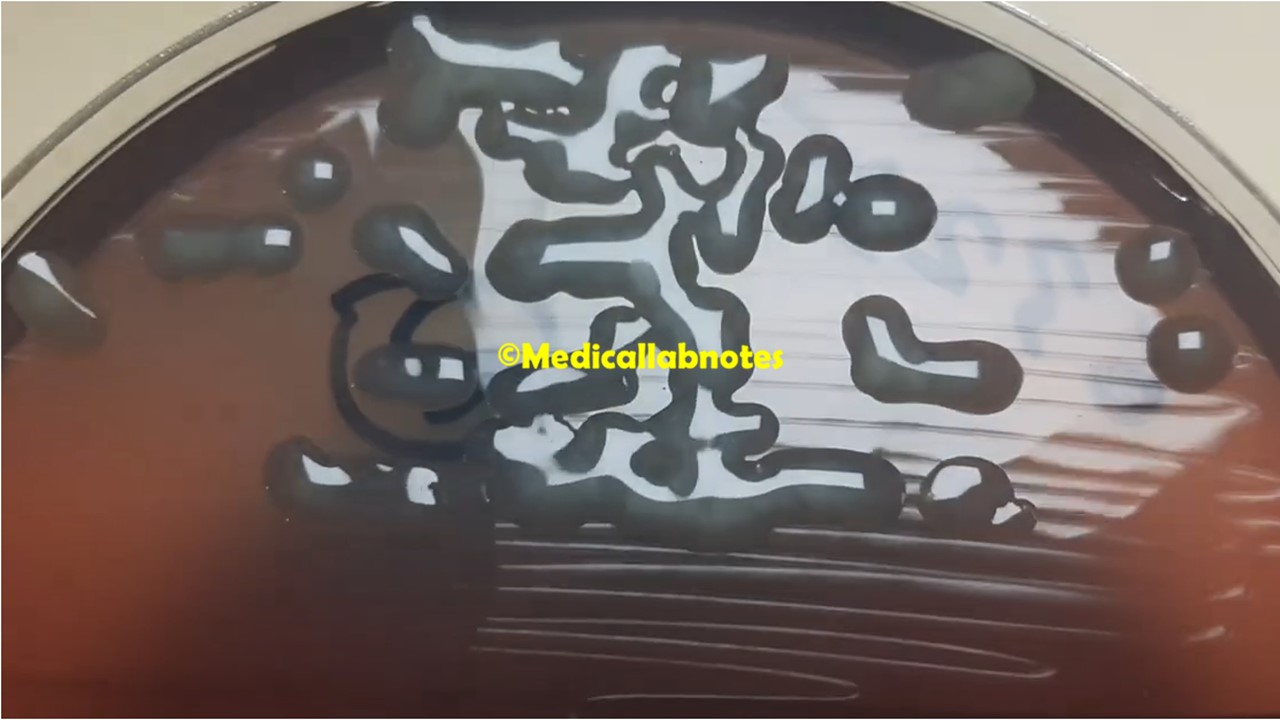
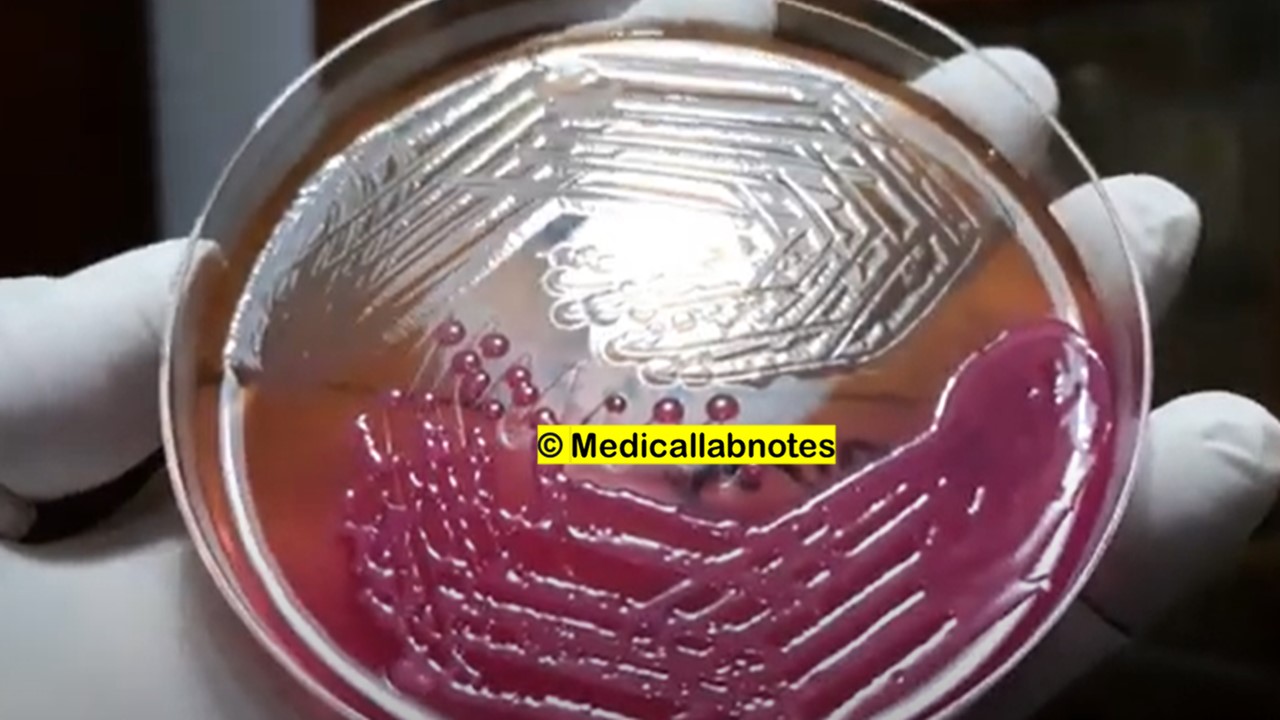
E. cloacae: Introduction, Morphology, Pathogenicity, Lab Diagnosis, Treatment, Prevention, and Keynotes
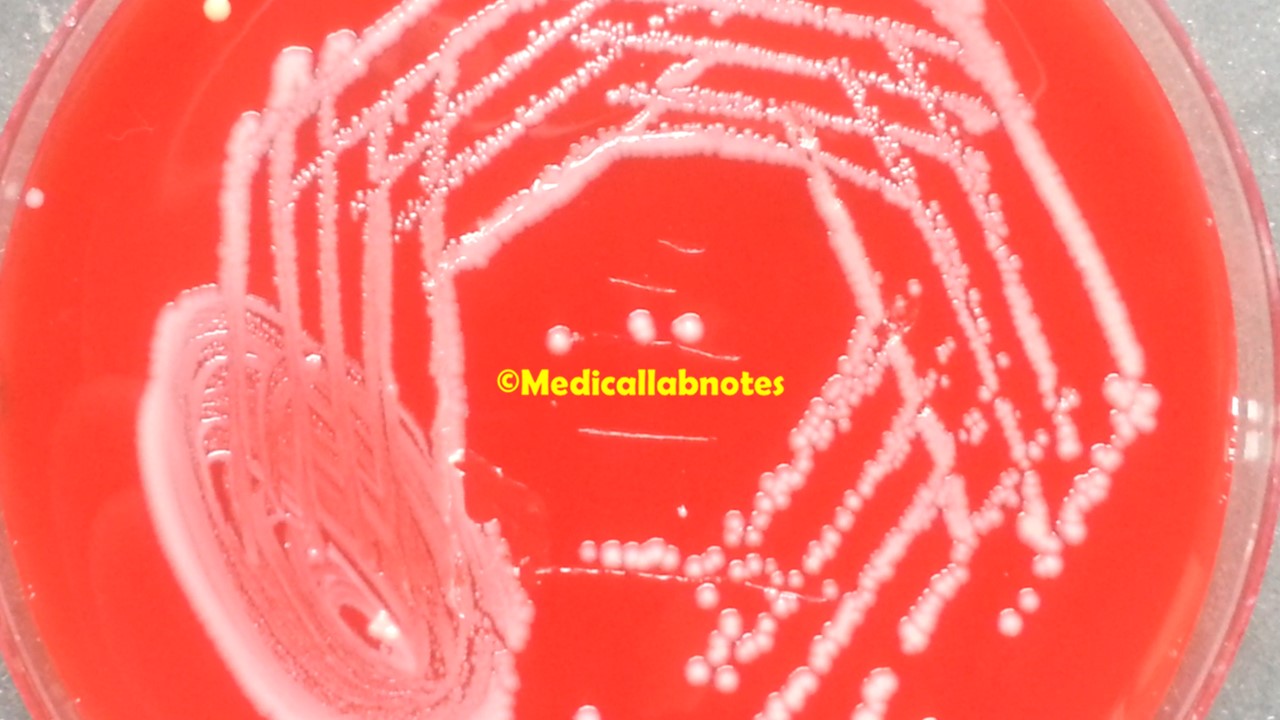
E. cloacae mucoid growth on CLED agar of Urine Culture

Introduction Enterobacter cloacae is a Gram-negative bacterium belonging to the Enterobacteriaceae family. It is a non-motile, facultative anaerobic, rod-shaped bacterium with a characteristic ability to ferment lactose. The name “cloacae” is derived from the Latin word “cloaca,” which means sewer or drain, indicating the bacterium’s …

Read more

Pseudomonas aeruginosa: Introduction, Morphology, Pathogenicity, Lab Diagnosis, Treatment, Prevention, and Keynotes

Pseudomonas aeruginosa non-lactose fermenting (NLF) colony and mucoid lactose fermenting colony of Klebsiella pneumoniae on MacConkey medium

Introduction Pseudomonas aeruginosa is a Gram-negative bacterium that is widely distributed in nature and is known for its versatility and adaptability. It is an opportunistic pathogen capable of causing infections in humans, particularly in individuals with weakened immune systems or underlying medical conditions. P. aeruginosa …

Read more

Absidia: Introduction, Morphology, Pathogenicity, Lab Diagnosis, Treatment, Prevention, and Keynotes

Absidia: Introduction, Morphology, Pathogenicity, Lab Diagnosis, Treatment, Prevention, and Keynotes

Introduction Absidia is a genus of filamentous fungi belonging to the class Zygomycetes. It is a member of the family Mucoraceae, which includes several other genera of molds. The genus Absidia comprises around 40 recognized species, with Absidia corymbifera being the most well-known and frequently …

Read more

Burkholderia cepacia: Introduction, Morphology, Pathogenicity, Lab Diagnosis, Treatment, Prevention, and Keynotes

Burkholderia cepacia: Introduction, Morphology, Pathogenicity, Lab Diagnosis, Treatment, Prevention, and Keynotes

Introduction Burkholderia cepacia is a species of gram-negative bacteria within the Burkholderia genus. It is a versatile and opportunistic pathogen that can cause infections in both immunocompromised and healthy individuals. B. cepacia is a significant concern, particularly in individuals with cystic fibrosis (CF) and other …

Read more

Citrobacter freundii: Introduction, Morphology, Pathogenicity, Lab Diagnosis, Treatment, Prevention, and Keynotes

Citrobacter freundii growth on CLED agar of Urine Culture

Introduction Citrobacter freundii is a Gram-negative bacterium belonging to the Enterobacteriaceae family. It is commonly found in the environment, including soil, water, and the intestinal tracts of humans and animals. Citrobacter freundii is an opportunistic pathogen, meaning it can cause infections in individuals with weakened …

Read more

Morganella: Introduction, Morphology, Pathogenicity, Lab Diagnosis, Treatment, Prevention, and Keynotes

Morganella morganii Colony Morphology on CLED agar of Urine Culture

Introduction Morganella is a genus of bacteria belonging to the family Enterobacteriaceae. The genus was named after the bacteriologist John Morgan. Morganella species are gram-negative, rod-shaped bacteria that are commonly found in the environment, including soil, water, and sewage. One species of particular interest is …

Read more

Staphylococcus lentus: Introduction, Morphology, Pathogenicity, Lab Diagnosis, Treatment, Prevention, and Keynotes

Serratia ficaria on CLED Agar of Urine Culture

Introduction Staphylococcus lentus is a species of Gram-positive bacteria belonging to the genus Staphylococcus. It is classified as a coagulase-negative staphylococcus (CoNS), which means it does not produce the enzyme coagulase. CoNS are commonly found as part of the normal human skin and mucous membrane …

Read more

Serratia fonticola: Introduction, Morphology, Pathogenicity, Lab Diagnosis, Treatment,Prevention, and Keynotes

Gram negative bacilli or rods of Serratia fonticola in Bronchoalveolar lavage (BAL) sample Gram staining

Introduction Serratia fonticola is a Gram-negative bacterium that belongs to the genus Serratia. It was first isolated and described in 1998 from water samples in a freshwater spring in California, USA. Since its discovery, S. fonticola has been identified in various environmental sources, including soil, …

Read more