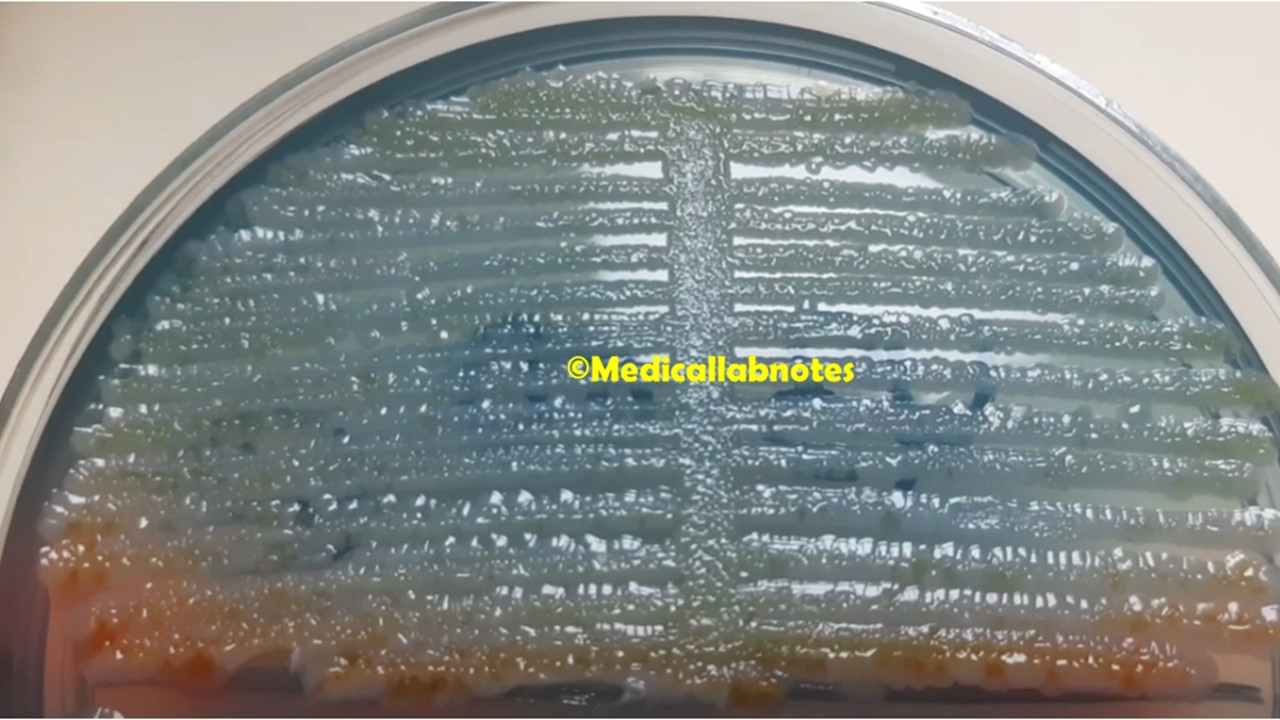
Stenotrophomonas maltophilia: Introduction, Morphology, Pathogenicity, Lab Diagnosis, Treatment, Prevention, and Keynotes
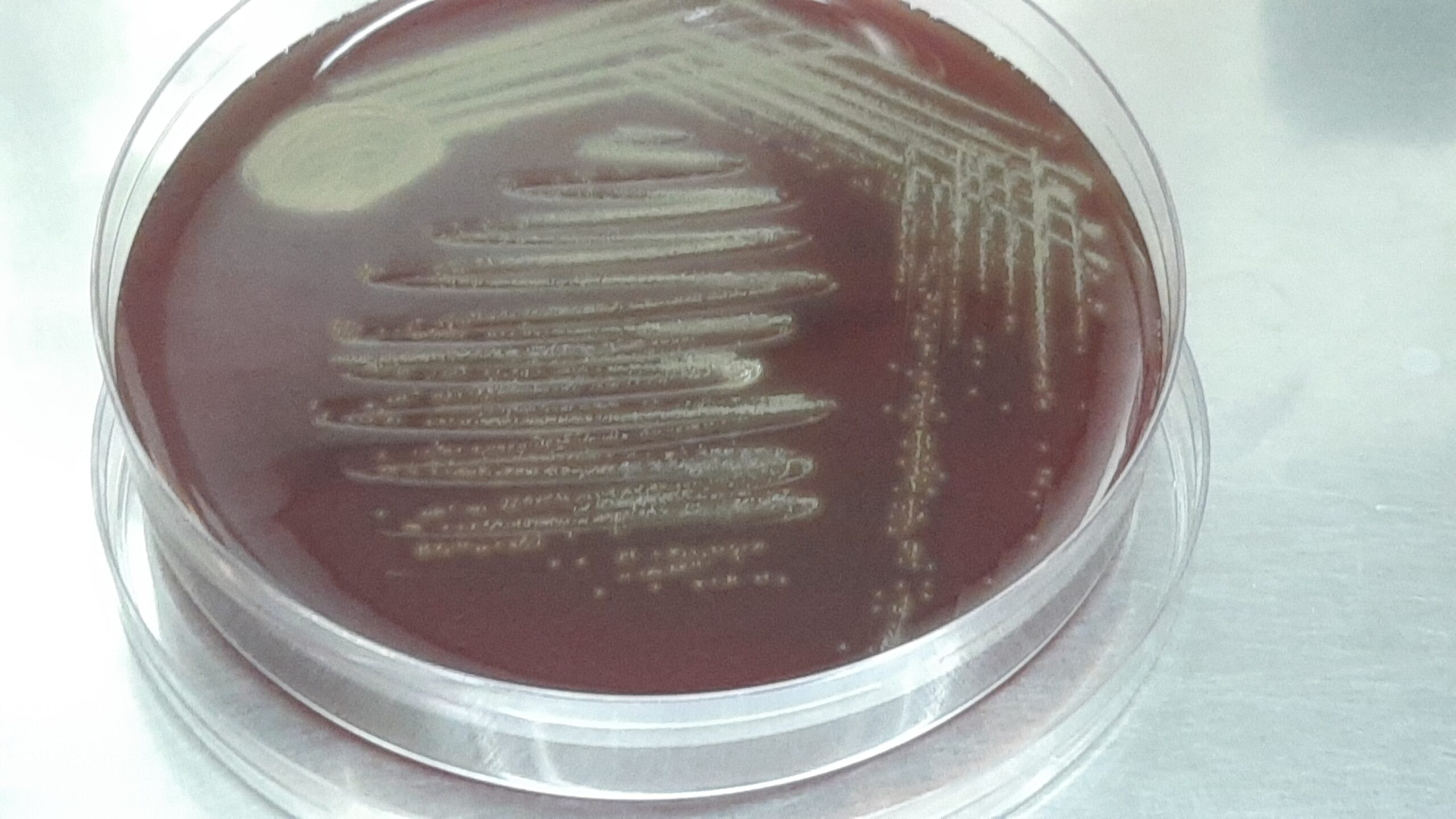
Mucoid lactose fermenting (MLF) colony of Klebsiella pneumoniae and non-lactose fermenting (NLF) colony of Stenotrophomonas maltophilia on MacConkey medium of clinical specimen-sputum culture

Introduction Stenotrophomonas maltophilia is a Gram-negative bacterium that belongs to the class Gammaproteobacteria. It is an opportunistic pathogen known for its ability to cause infections, particularly in individuals with compromised immune systems or underlying health conditions. The bacterium was initially considered to be of low …

Read more

E. aerogenes: Introduction, Morphology, Pathogenicity, Lab Diagnosis, Treatment, Prevention, and Keynotes

Enterobacter aerogenes colony morphology on CLED agar of urine culture

Introduction Enterobacter aerogenes is a bacterium belonging to the Enterobacteriaceae family, which includes several other important pathogens and opportunistic bacteria. E. aerogenes is a Gram-negative, rod-shaped bacterium that is commonly found in various environments, including soil, water, and the gastrointestinal tracts of humans and animals. …

Read more

Moraxella catarrhalis: Introduction, Morphology, Pathogenicity, Lab Diagnosis, Treatment, Prevention, and Keynotes

Gram negative cocci in pairs (diplococci) of Moraxella catarrhalis in Gram staining of culture microscopy at a magnification

Introduction Moraxella catarrhalis is a Gram-negative, aerobic bacterium that belongs to the Moraxellaceae family. It is a non-motile, non-spore-forming bacterium, and it is typically found in the upper respiratory tract of humans as a commensal organism. Though generally considered a commensal, M. catarrhalis can also …

Read more

Achromobacter xylosoxidans: Introduction, Morphology, Pathogenicity, Lab Diagnosis, Treatment, Prevention, and Keynotes

Gram negative rods (GNRs) or Gram negative bacilli (GNBs)of Achromobacter xylosoxidans in Gram staining of culture microscopy

Introduction Achromobacter xylosoxidans is a gram-negative, non-fermenting bacterium that belongs to the family Alcaligenaceae. It is an aerobic, rod-shaped bacterium known for its versatile metabolic capabilities and its widespread distribution in various environments, including soil, water, and hospital settings. Originally classified as Alcaligenes xylosoxidans, the …

Read more

Enterococcus faecium: Introduction, Morphology, Pathogenicity, Lab Diagnosis, Treatment, Prevention, and Keynotes

Gram positive cocci in singles, pairs and chains of Enterococcus faecium in Gram staining of culture microscopy

Introduction Enterococcus faecium is a bacterium that belongs to the Enterococcus genus, which is a part of the Firmicutes phylum. It is a Gram-positive, facultative anaerobic coccus, typically occurring in pairs or short chains. Enterococci are commensal bacteria commonly found in the gastrointestinal tract of …

Read more

Mycoplasma hominis: Introduction, Morphology, Pathogenicity, Lab Diagnosis, Treatment, Prevention, and Keynotes

Introduction Mycoplasma hominis is a species of bacteria belonging to the Mollicutes class. It is a unique microorganism as it lacks a cell wall, making it one of the smallest self-replicating organisms known. Due to this feature, it has a pleomorphic appearance, taking various shapes, …

Read more

Citrobacter koseri: Introduction, Morphology, Pathogenicity, Lab Diagnosis, Treatment, Prevention, and Keynotes

Mucoid colony of Citrobacter koseri on CLED agar of urine specimen

Introduction Citrobacter koseri, formerly known as Citrobacter diversus, is a gram-negative bacterium belonging to the Enterobacteriaceae family. It is a facultative anaerobe, meaning it can grow both in the presence and absence of oxygen. The species name “koseri” is a tribute to the bacteriologist Leo …

Read more

Scopulariopsis: Introduction, Morphology, Pathogenicity, Lab Diagnosis, Treatment, Prevention, and Keynotes

Chains of single-celled conidia and conidiophores(annellides) of Scopulariopsis in LPCB Tease mount of culture microscopy

Introduction Scopulariopsis is a genus of filamentous fungi belonging to the class Ascomycota. It is a widespread and diverse group of fungi found in various environmental niches. Scopulariopsis species (they) are commonly present in soil, decaying organic matter, and indoor environments. The name “Scopulariopsis” is …

Read more