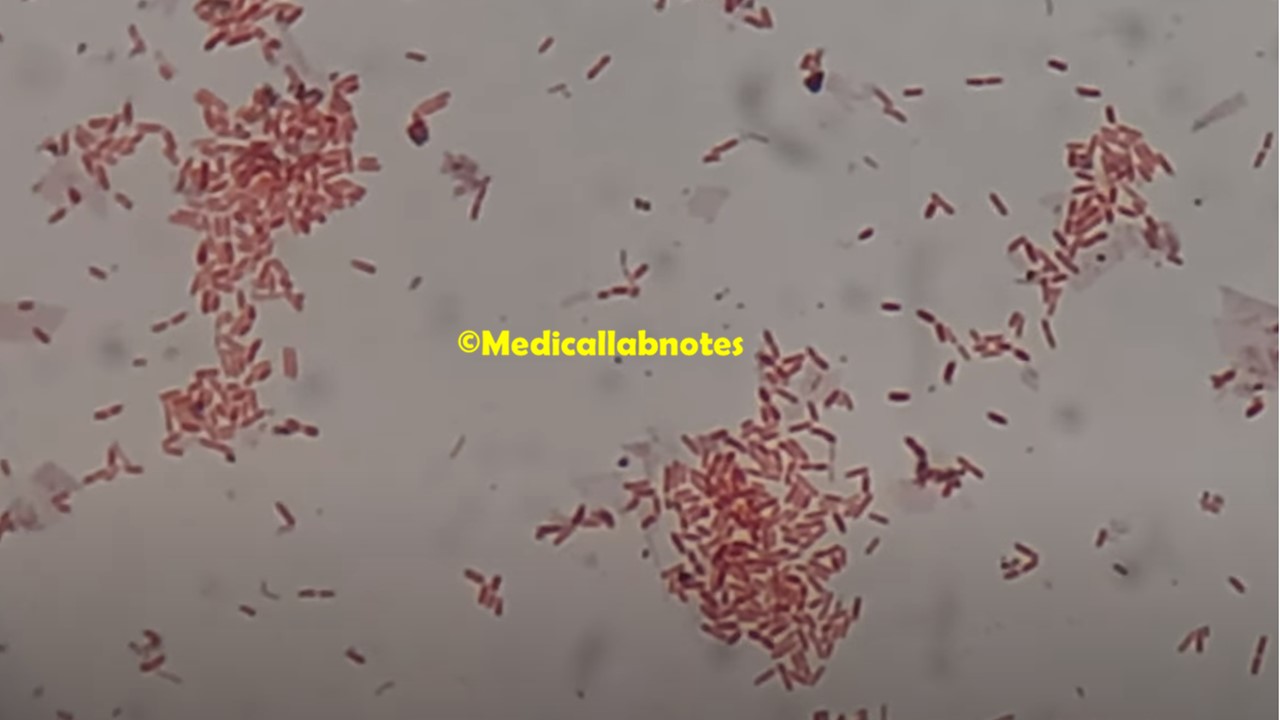
Clostridium: Introduction, Morphology, Pathogenicity, Lab Diagnosis, Treatment, Prevention, and Keynotes

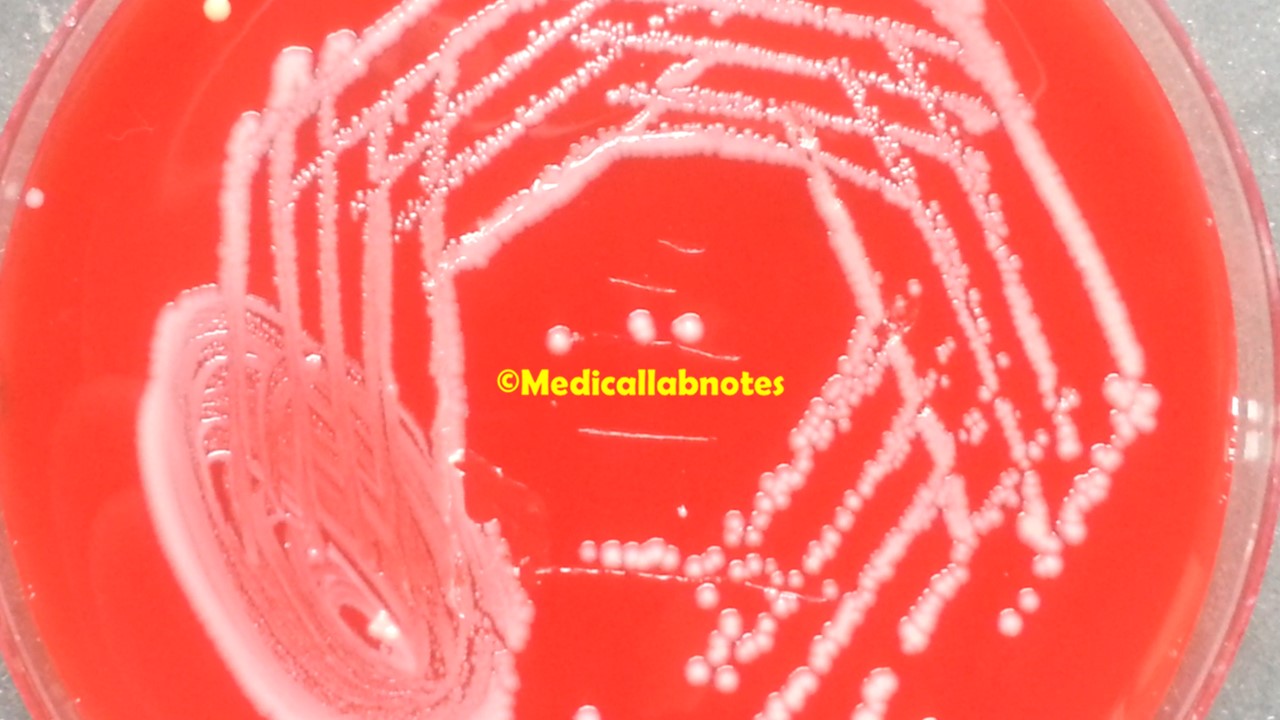
Clostridium growth on blood agar under anaerobic condition of 48 hours- inhibition of growth around metronidazole but no effect towards gentamicin

Introduction Clostridium is a genus of Gram-positive, rod-shaped, spore-forming bacteria that belongs to the phylum Firmicutes. These bacteria are anaerobic, meaning they can thrive in environments devoid of oxygen. The name “Clostridium” is derived from the Greek word “kloster,” which means spindle, referring to their …
Read more

Moraxella catarrhalis: Introduction, Morphology, Pathogenicity, Lab Diagnosis, Treatment, Prevention, and Keynotes

Gram negative cocci in pairs (diplococci) of Moraxella catarrhalis in Gram staining of culture microscopy at a magnification

Introduction Moraxella catarrhalis is a Gram-negative, aerobic bacterium that belongs to the Moraxellaceae family. It is a non-motile, non-spore-forming bacterium, and it is typically found in the upper respiratory tract of humans as a commensal organism. Though generally considered a commensal, M. catarrhalis can also …

Read more

Staphylococcus saprophyticus: Introduction, Morphology, Pathogenicity, Lab Diagnosis, Treatment, Prevention, and Keynotes

Staphylococcus saprophyticus on Muller-Hinton agar (MHA) showing novobiocin resistance

Introduction Staphylococcus saprophyticus is a species of bacteria that belongs to the genus Staphylococcus. It is a Gram-positive, coagulase-negative, and facultative anaerobic bacterium. Like other staphylococci, S. saprophyticus typically appears in clusters under a microscope, which is characteristic of its name, derived from the Greek …

Read more

Achromobacter xylosoxidans: Introduction, Morphology, Pathogenicity, Lab Diagnosis, Treatment, Prevention, and Keynotes

Gram negative rods (GNRs) or Gram negative bacilli (GNBs)of Achromobacter xylosoxidans in Gram staining of culture microscopy

Introduction Achromobacter xylosoxidans is a gram-negative, non-fermenting bacterium that belongs to the family Alcaligenaceae. It is an aerobic, rod-shaped bacterium known for its versatile metabolic capabilities and its widespread distribution in various environments, including soil, water, and hospital settings. Originally classified as Alcaligenes xylosoxidans, the …

Read more

Streptococcus pneumoniae: Introduction, Morphology, Pathogenicity, Lab Diagnosis, Treatment, Prevention, and Keynotes

Optochin sensitive Streptococcus pneumoniae

Introduction Streptococcus pneumoniae, commonly known as pneumococcus, is a bacterium that can cause a wide range of infections in humans. It is one of the most significant pathogens responsible for various diseases, particularly pneumonia, meningitis, and otitis media (middle ear infections). Characteristics: Transmission: Diseases caused …

Read more

Enterococcus faecium: Introduction, Morphology, Pathogenicity, Lab Diagnosis, Treatment, Prevention, and Keynotes

Gram positive cocci in singles, pairs and chains of Enterococcus faecium in Gram staining of culture microscopy

Introduction Enterococcus faecium is a bacterium that belongs to the Enterococcus genus, which is a part of the Firmicutes phylum. It is a Gram-positive, facultative anaerobic coccus, typically occurring in pairs or short chains. Enterococci are commensal bacteria commonly found in the gastrointestinal tract of …

Read more

Escherichia coli: Introduction, Morphology, Pathogenicity, Lab Diagnosis, Treatment, Prevention, and Keynotes

Greenish metallic sheen of Escherichia coli on Eosin Methylene Blue (EMB) Agar

Introduction Escherichia coli, often abbreviated as E. coli, is a gram-negative, rod-shaped bacterium belonging to the Enterobacteriaceae family. It is one of the most commonly studied and well-known bacteria, both because of its importance in scientific research and its relevance in various aspects of human …

Read more

Citrobacter koseri: Introduction, Morphology, Pathogenicity, Lab Diagnosis, Treatment, Prevention, and Keynotes

Mucoid colony of Citrobacter koseri on CLED agar of urine specimen

Introduction Citrobacter koseri, formerly known as Citrobacter diversus, is a gram-negative bacterium belonging to the Enterobacteriaceae family. It is a facultative anaerobe, meaning it can grow both in the presence and absence of oxygen. The species name “koseri” is a tribute to the bacteriologist Leo …

Read more