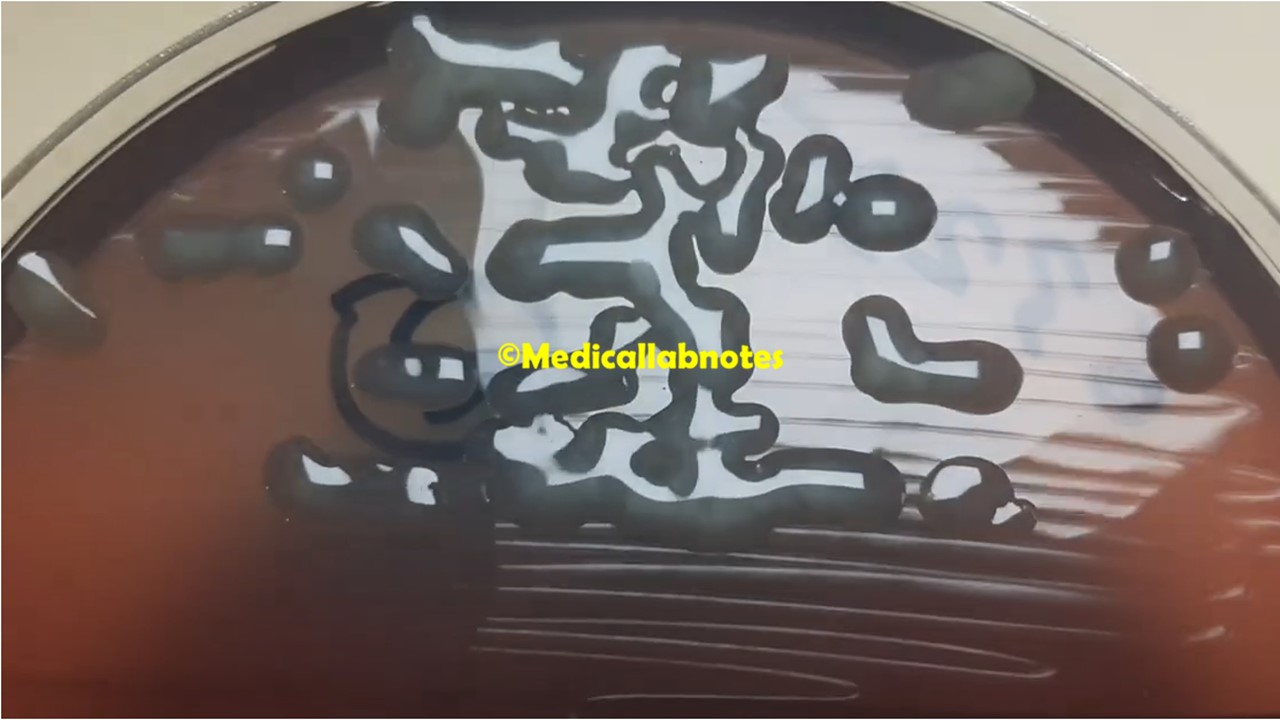
Streptococcus pyogenes: Introduction, Morphology, Pathogenicity, Lab Diagnosis, Treatment, Prevention, and Keynotes
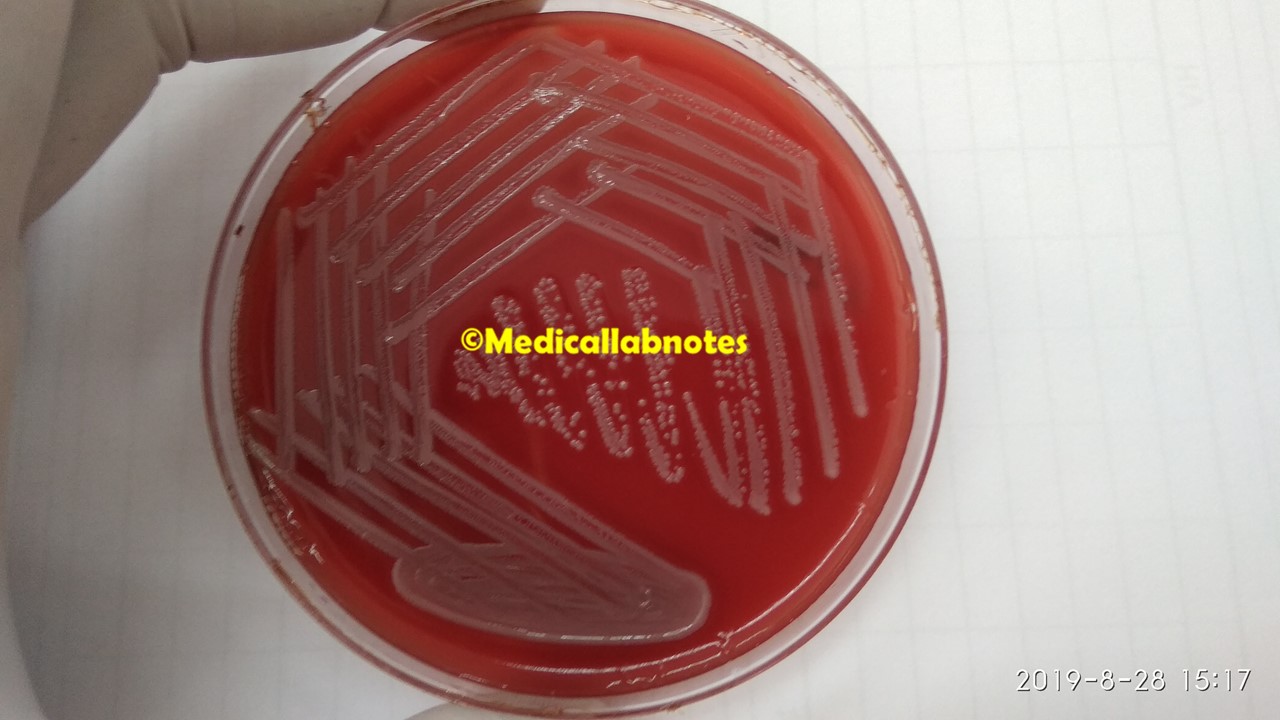
Streptococcus pyogenes colony morphology on blood agar

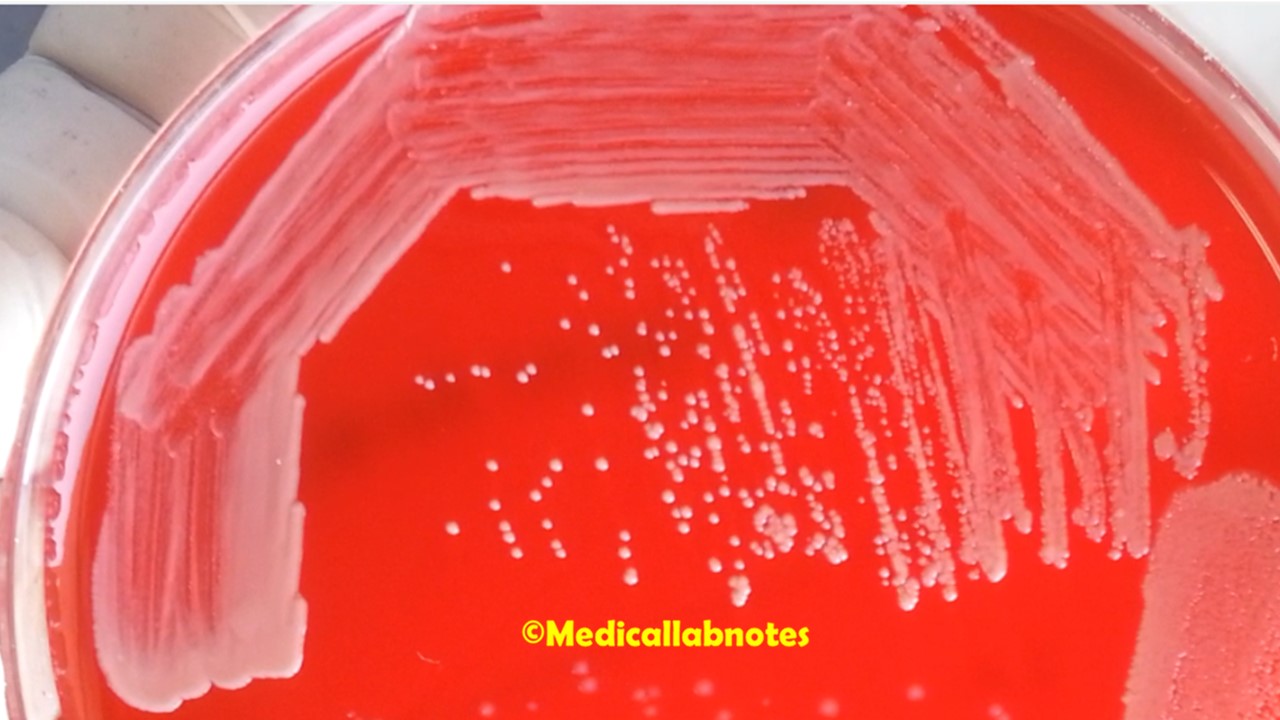
Introduction Streptococcus pyogenes, also known as Group A Streptococcus (GAS), is a gram-positive, spherical bacterium that belongs to the Streptococcaceae family. It is one of the most common and important human pathogens, responsible for a wide range of infections in humans. This bacterium is typically …
Read more

Chlamydia trachomatis: Introduction, Morphology, Pathogenicity, Lab Diagnosis, Treatment, Prevention, and Keynotes

Introduction Chlamydia trachomatis is a gram-negative bacterium and is an important human pathogen known for causing several diseases. It is an obligate intracellular bacterium, meaning it can only survive and reproduce inside host cells. C. trachomatis primarily infects epithelial cells of the mucous membranes in …

Read more

Corynebacterium diphtheriae: Introduction, Morphology, Pathogenicity, Lab Diagnosis, Treatment, Prevention, and Keynotes

Corynebacterium diphtheriae colony morpholoy on 5% sheep blood agar after 48 hours of incubation

Introduction Corynebacterium diphtheriae is a gram-positive, rod-shaped bacterium that causes diphtheria, a highly contagious and potentially life-threatening respiratory infection. This bacterium was first identified and described by the German physician Edwin Klebs in 1883, and later confirmed by Friedrich Loeffler and Emil von Behring. The …

Read more

Mycoplasma hominis: Introduction, Morphology, Pathogenicity, Lab Diagnosis, Treatment, Prevention, and Keynotes

Introduction Mycoplasma hominis is a species of bacteria belonging to the Mollicutes class. It is a unique microorganism as it lacks a cell wall, making it one of the smallest self-replicating organisms known. Due to this feature, it has a pleomorphic appearance, taking various shapes, …

Read more

Anti-Thyroid Peroxidase (Anti-TPO) Assay: Introduction, Test Result, Unit, Normal Range, Test Method, Clinical Significance, and Keynotes

Anti-Thyroid Peroxidase (Anti-TPO) Assay: Introduction, Test Result, Unit, Normal Range, Test Method, Clinical Significance, and Keynotes

Introduction The Anti-Thyroid Peroxidase (Anti-TPO) assay is a diagnostic test used to measure the levels of anti-thyroid peroxidase antibodies in a person’s blood. Thyroid peroxidase (TPO) is an enzyme found in the thyroid gland, which is responsible for the production of thyroid hormones, such as …

Read more

Urinalysis: Introduction, List of Some Common Tests, Test Report, Clinical Significance, and Keynotes

Urinalysis-Introduction, List of Some Common Tests, Test Report, Clinical Significance, and Keynotes

Introduction Urinalysis is a diagnostic medical test that involves the examination of urine to evaluate a person’s health and detect various medical conditions. It is one of the most commonly performed laboratory tests and provides valuable information about the body’s metabolism, kidney function, and overall …

Read more

Escherichia coli: Introduction, Morphology, Pathogenicity, Lab Diagnosis, Treatment, Prevention, and Keynotes

Greenish metallic sheen of Escherichia coli on Eosin Methylene Blue (EMB) Agar

Introduction Escherichia coli, often abbreviated as E. coli, is a gram-negative, rod-shaped bacterium belonging to the Enterobacteriaceae family. It is one of the most commonly studied and well-known bacteria, both because of its importance in scientific research and its relevance in various aspects of human …

Read more

Citrobacter koseri: Introduction, Morphology, Pathogenicity, Lab Diagnosis, Treatment, Prevention, and Keynotes

Mucoid colony of Citrobacter koseri on CLED agar of urine specimen

Introduction Citrobacter koseri, formerly known as Citrobacter diversus, is a gram-negative bacterium belonging to the Enterobacteriaceae family. It is a facultative anaerobe, meaning it can grow both in the presence and absence of oxygen. The species name “koseri” is a tribute to the bacteriologist Leo …

Read more