Procalcitonin (PCT) Test-Introduction, Test Result, Unit, Normal Range, Test Method, Clinical Significance, and Keynotes

Procalcitonin (PCT) Test-Introduction, Test Result, Unit, Normal Range, Test Method, Clinical Significance, and Keynotes

Introduction The Procalcitonin (PCT) test is a medical diagnostic test used to measure the levels of procalcitonin in the blood. Procalcitonin is a precursor protein to the hormone calcitonin, which is primarily involved in regulating calcium metabolism. However, procalcitonin itself is not a hormone; rather, …

Read more

Stenotrophomonas maltophilia: Introduction, Morphology, Pathogenicity, Lab Diagnosis, Treatment, Prevention, and Keynotes

Mucoid lactose fermenting (MLF) colony of Klebsiella pneumoniae and non-lactose fermenting (NLF) colony of Stenotrophomonas maltophilia on MacConkey medium of clinical specimen-sputum culture

Introduction Stenotrophomonas maltophilia is a Gram-negative bacterium that belongs to the class Gammaproteobacteria. It is an opportunistic pathogen known for its ability to cause infections, particularly in individuals with compromised immune systems or underlying health conditions. The bacterium was initially considered to be of low …

Read more

E. aerogenes: Introduction, Morphology, Pathogenicity, Lab Diagnosis, Treatment, Prevention, and Keynotes

Enterobacter aerogenes colony morphology on CLED agar of urine culture

Introduction Enterobacter aerogenes is a bacterium belonging to the Enterobacteriaceae family, which includes several other important pathogens and opportunistic bacteria. E. aerogenes is a Gram-negative, rod-shaped bacterium that is commonly found in various environments, including soil, water, and the gastrointestinal tracts of humans and animals. …

Read more

Shewanella: Introduction, Morphology, Pathogenicity, Lab Diagnosis, Treatment, Prevention, and Keynotes

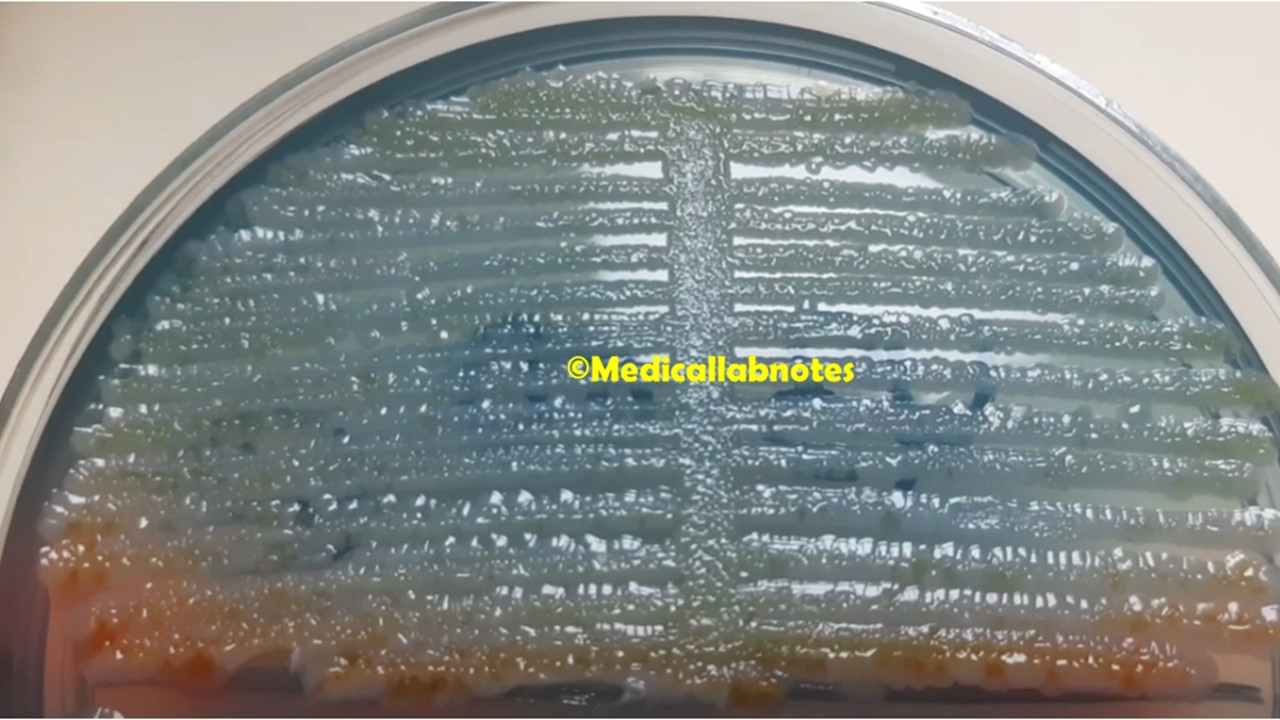
Shewanella species colony characteristics on Muller-Hinton agar (MHA)

Introduction Shewanella is a genus of Gram-negative, facultative anaerobic bacteria that belongs to the family Shewanellaceae. These bacteria are known for their remarkable versatility and adaptability to a wide range of environmental conditions. They were first discovered in 1980 by researchers studying microbial fuel cells, …

Read more

Clostridium: Introduction, Morphology, Pathogenicity, Lab Diagnosis, Treatment, Prevention, and Keynotes

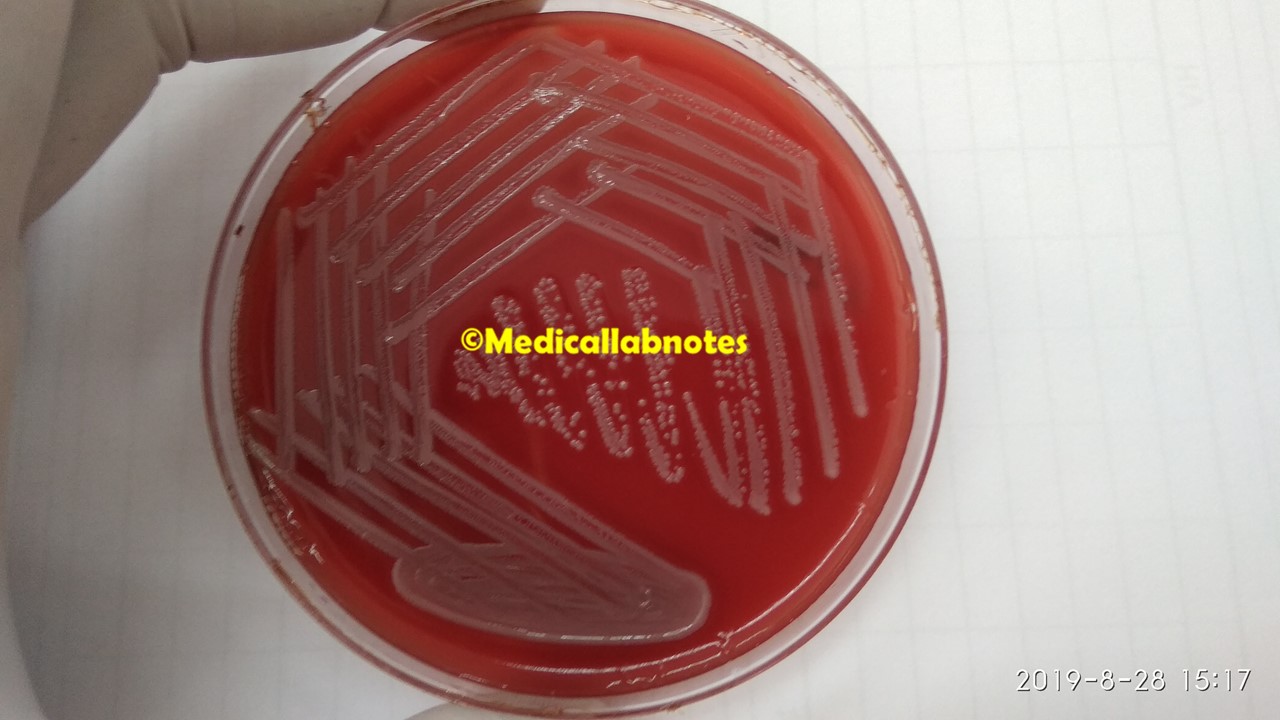
Clostridium growth on blood agar under anaerobic condition of 48 hours- inhibition of growth around metronidazole but no effect towards gentamicin

Introduction Clostridium is a genus of Gram-positive, rod-shaped, spore-forming bacteria that belongs to the phylum Firmicutes. These bacteria are anaerobic, meaning they can thrive in environments devoid of oxygen. The name “Clostridium” is derived from the Greek word “kloster,” which means spindle, referring to their …

Read more

Achromobacter xylosoxidans: Introduction, Morphology, Pathogenicity, Lab Diagnosis, Treatment, Prevention, and Keynotes

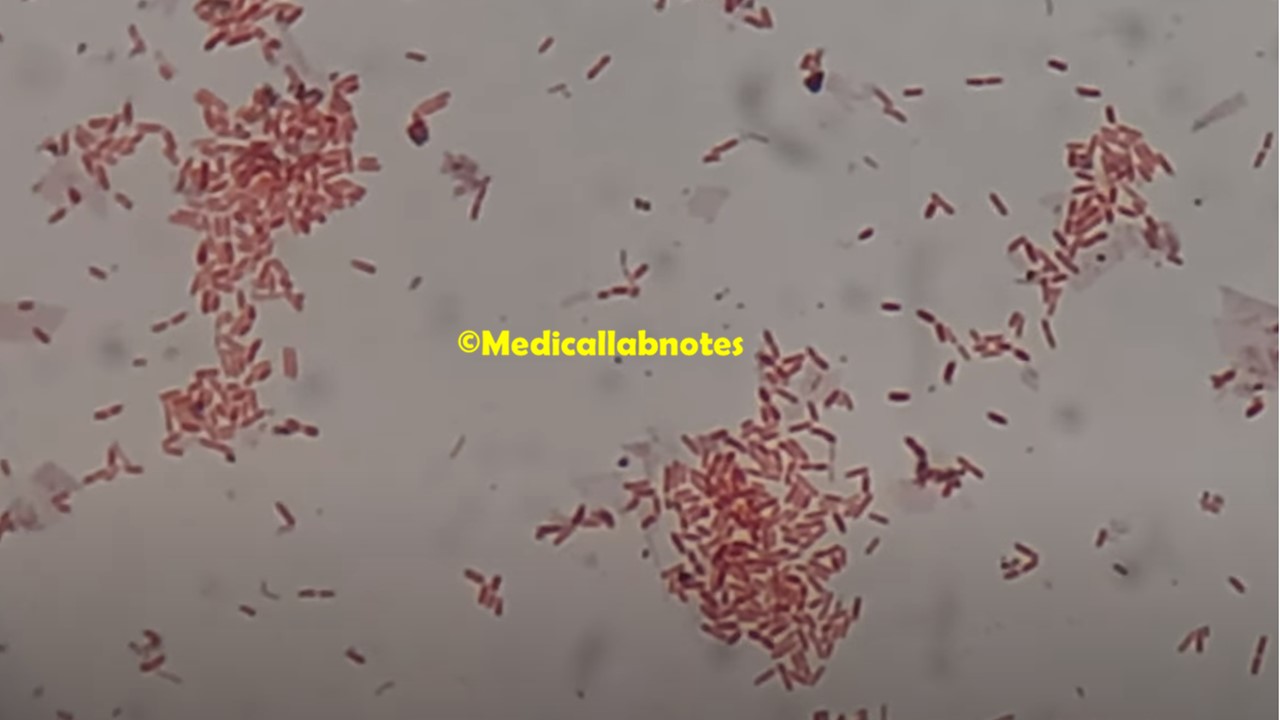
Gram negative rods (GNRs) or Gram negative bacilli (GNBs)of Achromobacter xylosoxidans in Gram staining of culture microscopy

Introduction Achromobacter xylosoxidans is a gram-negative, non-fermenting bacterium that belongs to the family Alcaligenaceae. It is an aerobic, rod-shaped bacterium known for its versatile metabolic capabilities and its widespread distribution in various environments, including soil, water, and hospital settings. Originally classified as Alcaligenes xylosoxidans, the …

Read more

Urine Culture and Sensitivity: Introduction, Report, Clinical Significance, Common Pathogens, and Keynotes

Urine routine examination showing numerous pus cells and bacteria -urinary tract infection (UTI) due to bacteria

Introduction Urine culture and sensitivity is a medical diagnostic test used to identify and quantify the microorganisms present in a urine sample and determine their sensitivity to various antibiotics. It is a crucial procedure in diagnosing urinary tract infections (UTIs) and guiding appropriate treatment. Here’s …

Read more

Streptococcus pyogenes: Introduction, Morphology, Pathogenicity, Lab Diagnosis, Treatment, Prevention, and Keynotes

Streptococcus pyogenes colony morphology on blood agar

Introduction Streptococcus pyogenes, also known as Group A Streptococcus (GAS), is a gram-positive, spherical bacterium that belongs to the Streptococcaceae family. It is one of the most common and important human pathogens, responsible for a wide range of infections in humans. This bacterium is typically …

Read more