Penicillium vs Paecilomyces: Introduction, Detailed Comparison, Pathogenicity, Lab Diagnosis, Treatment, Prevention, and Keynotes

Penicillium typical structure in LPCB preparation

Introduction of Penicillium vs Paecilomyces Penicillium is a ubiquitous, saprophytic mold found in soil, air, and decaying organic matter. Known for producing the first antibiotic, penicillin, it is typically non-pathogenic but occasionally causes opportunistic infections in immunocompromised hosts. Paecilomyces (especially P. lilacinus and P. variotii) …

Read more

Yeasts vs Molds: Detailed Comparison, Mixed Growth Isolation, Approach to Mixed Growth Handling, and Mixed Growth Interpretation

Yeast and mold mixed growth on SDA

Yeasts vs Molds: Detailed Comparison Feature Yeasts Molds Definition Unicellular fungi Multicellular filamentous fungi Structure Oval/round, single cells Hyphae form mycelium; septate or aseptate Reproduction Asexual (budding or fission); some sexual forms Asexual (spores like conidia/sporangia); sexual spores Hyphae Absent, but pseudohyphae may be present …

Read more

Paecilomyes marquandii-Introduction, Morphology, Pathogenicity, Lab Diagnosis, Treatment, Prevention, and Keynotes

Conidia, conidiophores, and phialides of Paecilomyes marquandii in LPCB preparation of culture microscopic examination

Introduction of Paecilomyes marquandii Paecilomyces marquandii is a saprophytic fungus found in soil and decaying matter. Moreover, it sometimes acts as an opportunistic pathogen. Additionally, it infects immunocompromised patients. Furthermore, clinicians report emerging cases of this fungus in various clinical settings. Morphology The fungus forms …

Read more

Penicillium cheresanum: Introduction, Morphology, Pathogenicity, Lab Diagnosis, Treatment, Prevention, and Keynotes

Penicillium cheresanum: Introduction, Morphology, Pathogenicity, Lab Diagnosis, Treatment, Prevention, and Keynotes

Introduction Penicillium cheresanum is a species of mold belonging to the genus Penicillium, commonly found in soil and decaying organic matter. Moreover, it thrives in a variety of environments, demonstrating its adaptability to different ecological conditions. In addition, this mold is known for producing secondary …

Read more

Bipolaris: Introduction, Morphology, Pathogenicity, Lab Diagnosis, Treatment, Prevention, and Keynotes

Introduction Bipolaris is a genus of filamentous fungi belonging to the family Pleosporaceae within the order Pleosporales. These fungi are commonly found in various environments, such as soil, plant debris, and decaying vegetation. Bipolaris species (they) are known to be plant pathogens, causing a range …

Read more

Aspergillus: Introduction, Classification, Colony Morphology, Pathogenesis, Clinical Features, Lab Diagnosis, Treatment, and Prevention

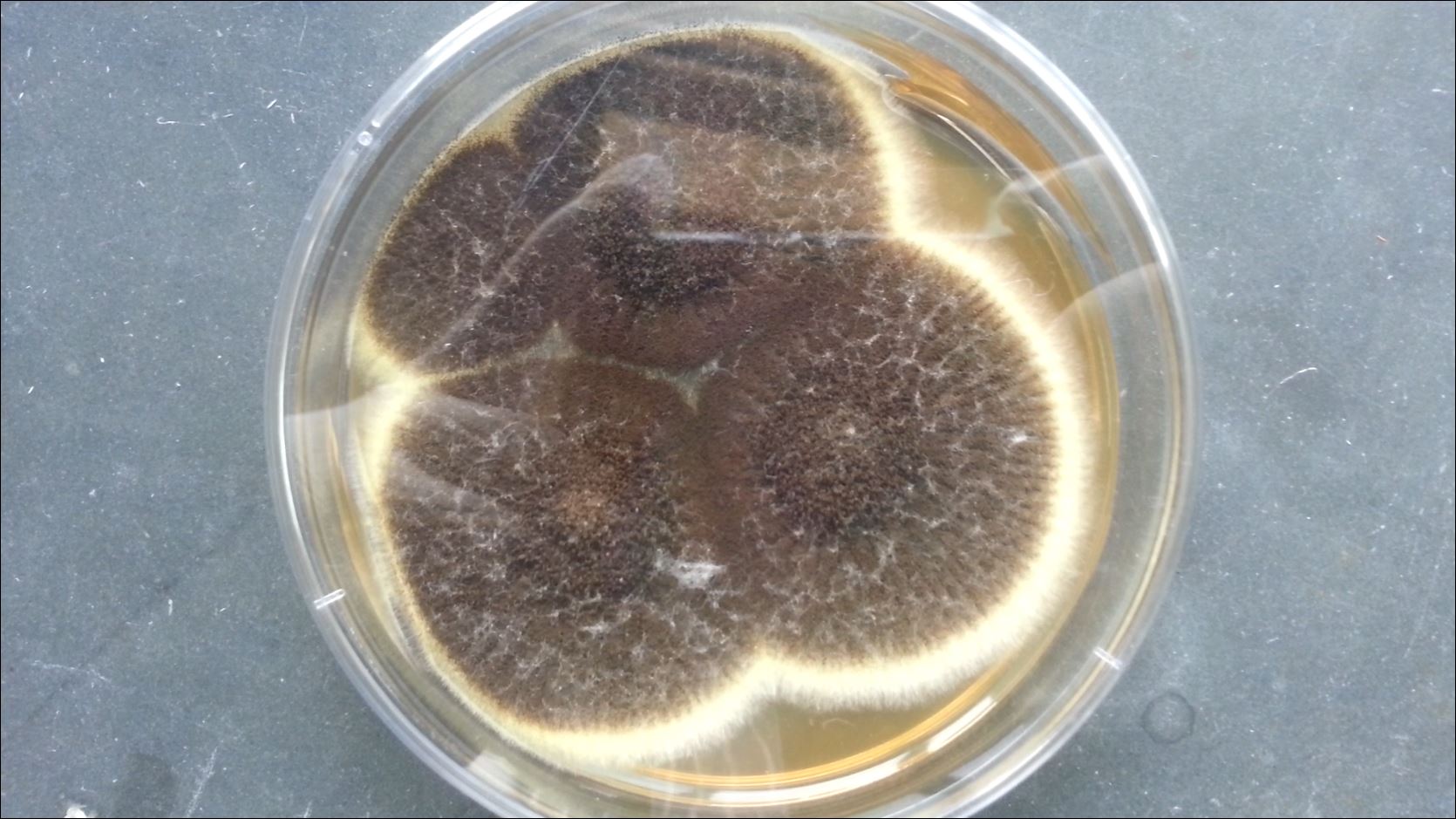
Aspergillus niger Colony Morphology on Sabouraud Dextrose Agar (SDA) after 3 days of incubation

Introduction of Aspergillus The genus Aspergillus has more than 180 species, among them, 38  are responsible to cause disease (able to grow at 37◦C. They are common in the environment. Aspergillus species are emerging pathogens which are ubiquitous molds that infect immunocompetent ( rarely) and immunocompromised …

Read more

KOH Wet Mount Preparation: Introduction, Principle, Test Requirements, Procedure, Result Interpretation, Uses, Keynotes, and Collection of KOH Mount Footages

KOH Wet Mount Preparation: Introduction, Principle, Test Requirements, Procedure, Result Interpretation, Uses, Keynotes, and Collection of KOH Mount Footages

Potassium hydroxide (KOH) Wet Mount Introduction The KOH Wet Mount is a very simple and important technique in mycology for presumptive diagnosis of the type of fungal infections whether ringworm, aspergillosis, dermatomycosis, blastomycosis, mucormycosis, otomycosis, etc. It is the most common assay ordered by clinicians, particularly …

Read more