Streptococcus oralis: Introduction, Morphology, Pathogenicity, Lab Diagnosis, Treatment, Prevention, and Keynotes
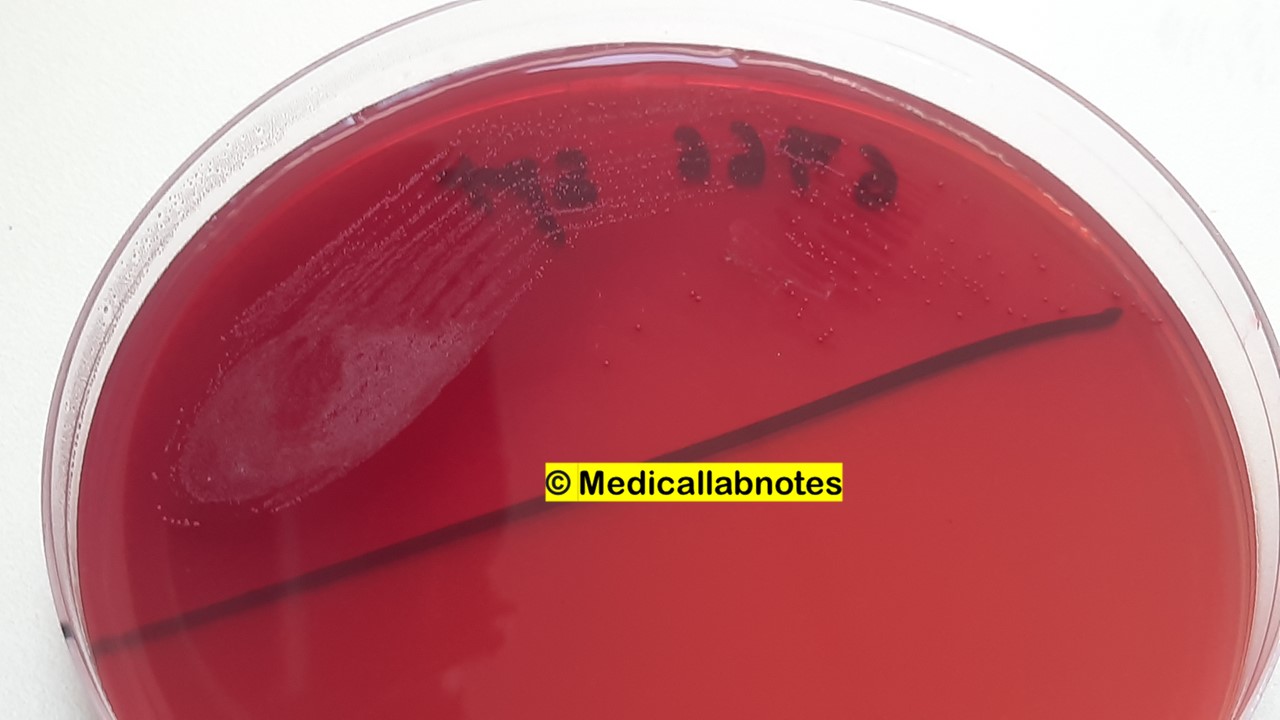
Streptococcus oralis colony morphology on MacConkey agar

Introduction Streptococcus oralis is a gram-positive bacterium that belongs to the genus Streptococcus. It is a commensal bacterium that commonly inhabits the human oral cavity, along with other oral streptococci. S. oralis is considered a part of the normal oral microbiota and can be found …

Read more

Tacrolimus Test: Introduction,Normal Range, Clinical Significance, and Keynotes

Tacrolimus Test-Normal Range, Test method, and Clinical Significance

Introduction A Tacrolimus test is a medical test that measures the level of Tacrolimus in the blood. Tacrolimus is a medication that is commonly used in organ transplantation to prevent rejection of the transplanted organ. It belongs to a class of drugs known as immunosuppressants. …

Read more

Candida Chromagar: Introduction, Principle, Test Requirements, Procedure, Result-Interpretation, and Keynotes

Candida Chromagar: Introduction, Principle, Test Requirements, Procedure, Result-Interpretation, and Keynotes

Introduction Candida Chromagar is a selective and differential agar medium used for the isolation and identification of Candida species. HiMedia is a well-known manufacturer of microbiological culture media and laboratory products. Here are some keywords related to this agar: Principle The principle of Candida Chromagar …

Read more

X-Match: Introduction, Principle, Test-Procedure, Result-Interpretation, Application, and Keynotes

X-Match: Introduction, Principle, Test-Procedure, Result-Interpretation, Application, and Keynotes

Introduction of X-Match The crossmatch is an important step in ensuring compatibility between the donor’s blood and the recipient’s blood before a blood transfusion takes place. It is performed to detect any potential incompatibilities that could lead to adverse reactions in the recipient. During a …

Read more

E (Epsilometer) Test-Introduction, Principle, Purpose, Procedure, Result-Interpretation, Advantages, and Disadvantages

Polymyxin B and Colistin E- Test for Acinetobacter

Introduction The E-test, also known as the Epsilometer test, is a laboratory technique used to determine the antimicrobial susceptibility of microorganisms, particularly bacteria. It is a quantitative method that provides information about the minimum inhibitory concentration (MIC) of an antimicrobial agent against a specific organism. …

Read more

Serum Protein Electrophoresis: Introduction, Pattern, Application, and Keynotes

Serum Protein Electrophoresis

Introduction Serum protein electrophoresis (SPEP) is a laboratory test used to separate and analyze the proteins present in a person’s blood serum. It is a common diagnostic tool in clinical medicine and helps in the evaluation and diagnosis of various conditions, particularly those affecting the …

Read more

Citrobacter freundii: Introduction, Morphology, Pathogenicity, Lab Diagnosis, Treatment, Prevention, and Keynotes

Citrobacter freundii growth on CLED agar of Urine Culture

Introduction Citrobacter freundii is a Gram-negative bacterium belonging to the Enterobacteriaceae family. It is commonly found in the environment, including soil, water, and the intestinal tracts of humans and animals. Citrobacter freundii is an opportunistic pathogen, meaning it can cause infections in individuals with weakened …

Read more

Morganella: Introduction, Morphology, Pathogenicity, Lab Diagnosis, Treatment, Prevention, and Keynotes

Morganella morganii Colony Morphology on CLED agar of Urine Culture

Introduction Morganella is a genus of bacteria belonging to the family Enterobacteriaceae. The genus was named after the bacteriologist John Morgan. Morganella species are gram-negative, rod-shaped bacteria that are commonly found in the environment, including soil, water, and sewage. One species of particular interest is …

Read more