Escherichia coli: Introduction, Morphology, Pathogenicity, Lab Diagnosis, Treatment, Prevention, and Keynotes

Greenish metallic sheen of Escherichia coli on Eosin Methylene Blue (EMB) Agar

Introduction Escherichia coli, often abbreviated as E. coli, is a gram-negative, rod-shaped bacterium belonging to the Enterobacteriaceae family. It is one of the most commonly studied and well-known bacteria, both because of its importance in scientific research and its relevance in various aspects of human …

Read more

Trichomonas vaginalis: Introduction, Morphology, Pathogenicity, Lab Diagnosis, Treatment, Prevention, and Keynotes

Introduction Trichomonas vaginalis is a parasitic protozoan that primarily infects the urogenital tract of humans, causing the sexually transmitted infection (STI) known as trichomoniasis. This microorganism is responsible for one of the most common curable STIs worldwide. T. vaginalis was first identified by Alfred Francois …

Read more

Bipolaris: Introduction, Morphology, Pathogenicity, Lab Diagnosis, Treatment, Prevention, and Keynotes

Introduction Bipolaris is a genus of filamentous fungi belonging to the family Pleosporaceae within the order Pleosporales. These fungi are commonly found in various environments, such as soil, plant debris, and decaying vegetation. Bipolaris species (they) are known to be plant pathogens, causing a range …

Read more

Trichophyton mentagrophytes: Introduction, Morphology, Pathogenicity, Lab Diagnosis, Treatment, Prevention, and Keynotes

Colony morphology of Trichophyton mentagrophytes on dermatophyte test medium (DTM) plate and tube

Introduction Trichophyton mentagrophytes is a dermatophyte fungus belonging to the genus Trichophyton, which is known for causing various skin infections in humans and animals. It is an anthropophilic fungus, meaning it primarily infects humans, but it can also infect animals like rodents and domesticated pets. …

Read more

Penicillium marneffei: Introduction, Morphology, Pathogenicity, Lab Diagnosis, Treatment, Prevention, and Keynotes

Conidia, conidiophore, phialide,and metullae of Penicillium marneffei in LPCB tease mount of culture microscopy at a magnification of 400X

Introduction Penicillium marneffei is a thermally dimorphic fungus and a significant human pathogen, causing a rare but severe disease called penicilliosis marneffei. It is classified under the phylum Ascomycota and the family Talaromycetaceae. The fungus was first discovered and described by a French physician, Captain …

Read more

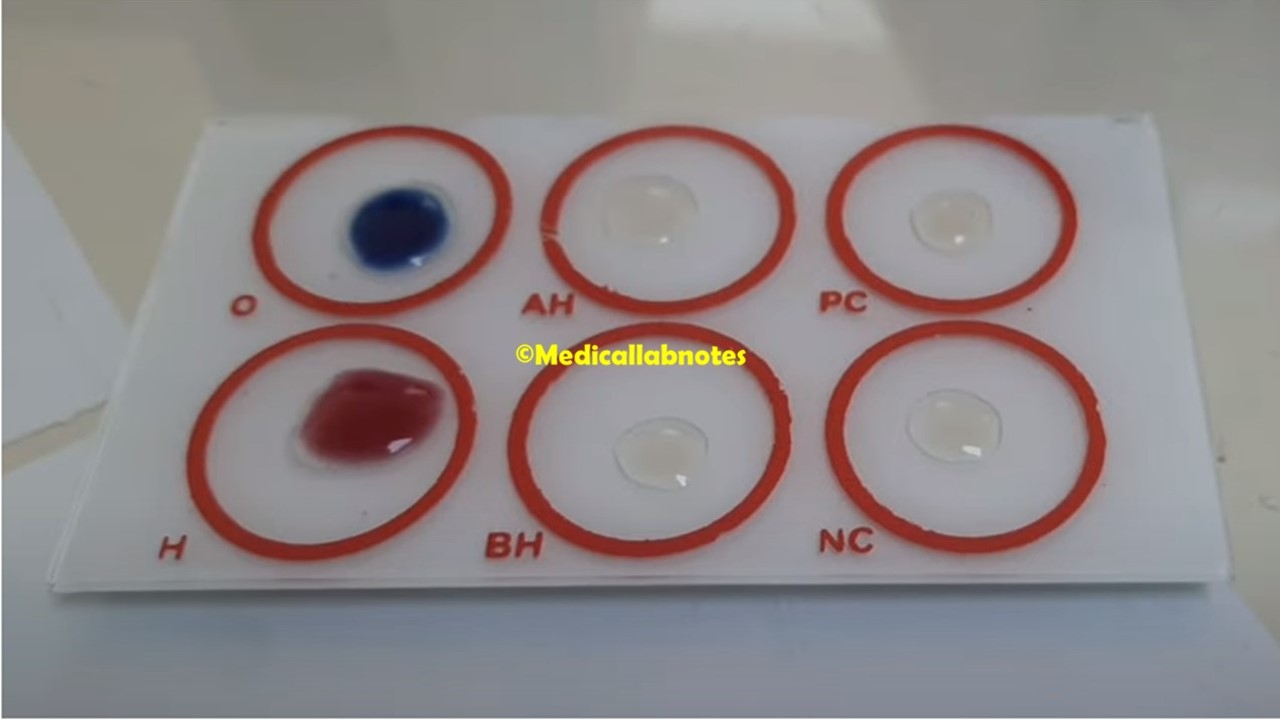
Salmonella Agglutination Test: Introduction, Test Result, Test Method, Clinical Significane, and Keynotes

Salmonella Agglutination Test

Introduction The Salmonella agglutination test is a laboratory diagnostic method used to identify and serotype Salmonella based on their surface antigens. Salmonella is a genus of bacteria that includes various species, some of which can cause foodborne illnesses and gastroenteritis in humans and animals. The …

Read more

Cryptococcus neoformans: Introduction, Morphology, Pathogenicity, Lab Diagnosis, Treatment, Prevention, and Keynotes

Abundant Yeast cells with occasional hyphae of Cryptococcus neoformans in India ink preparation of culture microscopy

Introduction Cryptococcus neoformans is a pathogenic fungus and one of the leading causes of fungal infections in humans. It belongs to the genus Cryptococcus, which includes several species, but C. neoformans is the most clinically significant one. This fungus primarily affects immunocompromised individuals, such as …

Read more

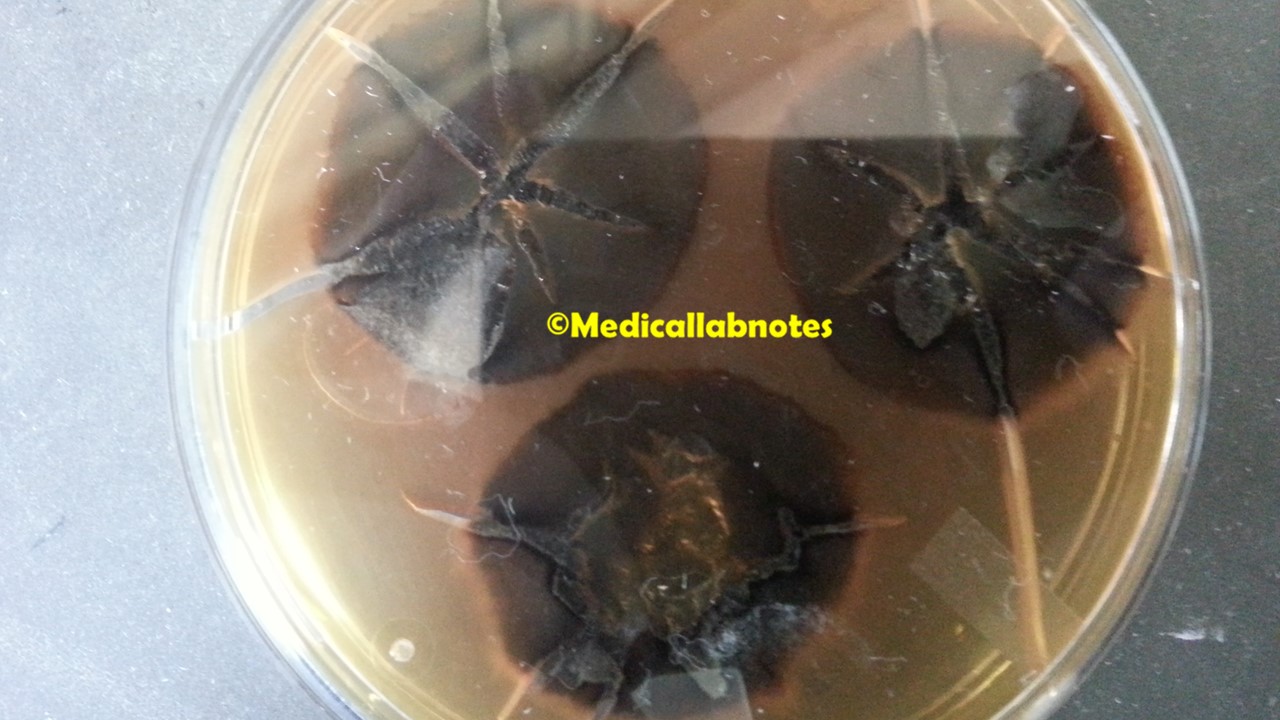
Curvularia: Introduction, Morphology, Pathogenicity, Lab Diagnosis, Treatment, Prevention, and Keynotes

Curvularia Colony characteristics on SDA-Reverse side view

Introduction Curvularia is a genus of filamentous fungi belonging to the family Pleosporaceae, commonly found in soil, decaying plant material, and various environmental niches. These fungi are known for their distinctive curved or sigmoid-shaped conidia (asexual spores), which give the genus its name. Characteristics: Pathogenicity: …

Read more