Neisseria meningitidis:Introduction, Morphology, Pathogenicity, Lab Diagnosis, Treatment, Prevention, and Keynotes

Introduction Neisseria meningitidis, commonly known as meningococcus, is a Gram-negative bacterium that is a leading cause of meningitis and septicemia (blood poisoning) worldwide. Meningitis is an infection that affects the meninges, which are the protective membranes surrounding the brain and spinal cord. N.meningitidis can also …

Read more

Haemophilus influenzae: Introduction, Morphology, Pathogenicity, Lab Diagnosis, Treatment, Prevention, and Keynotes

Introduction Haemophilus influenzae is a Gram-negative bacterium that was originally believed to be the causative agent of influenza (the flu). However, it was later discovered that H. influenzae is not related to the viral infection that causes influenza. Instead, this bacterium is known for causing …

Read more

Listeria monocytogenes: Introduction, Morphology, Pathogenicity, Lab Diagnosis, Treatment, Prevention, and Keynotes

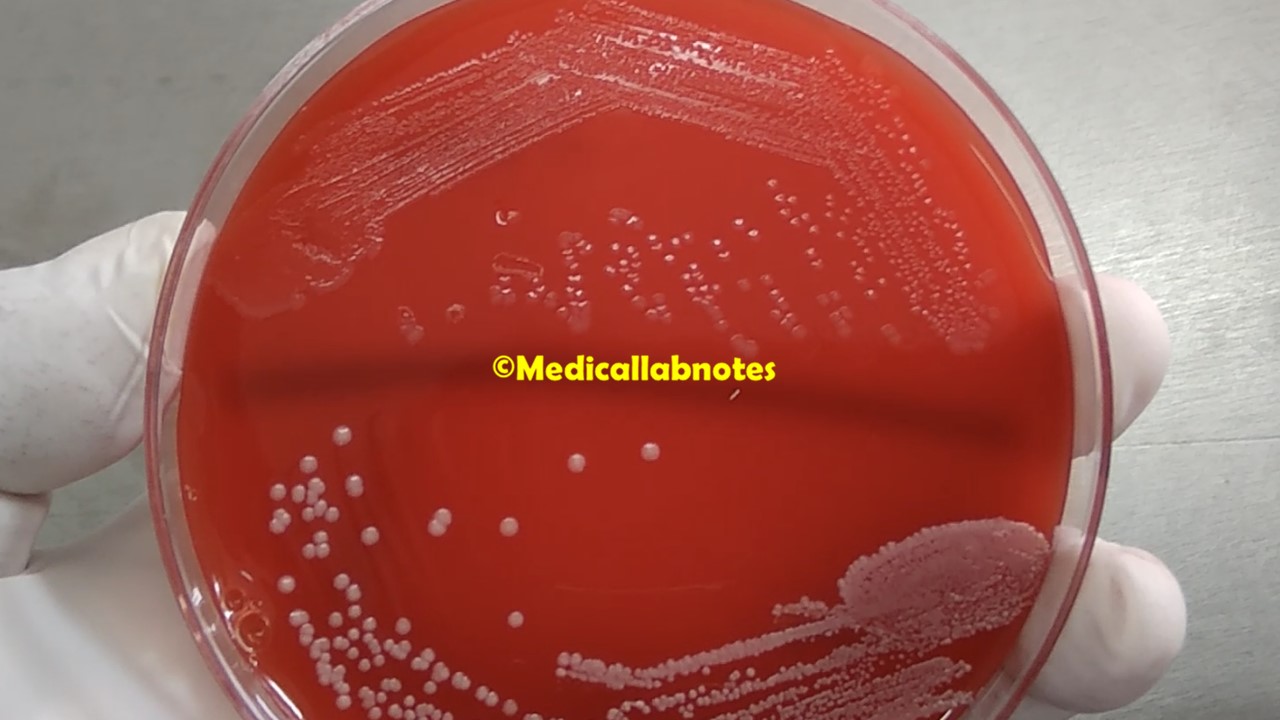
Listeria monocytogenes colony morphology on blood agar-Upper side

Introduction Listeria monocytogenes is a gram-positive, rod-shaped bacterium that is widely distributed in nature and can cause a serious foodborne infection known as listeriosis. It is one of the few bacterial species capable of growing at refrigeration temperatures, making it a significant concern for food …

Read more

Citrobacter freundii: Introduction, Morphology, Pathogenicity, Lab Diagnosis, Treatment, Prevention, and Keynotes

Citrobacter freundii growth on CLED agar of Urine Culture

Introduction Citrobacter freundii is a Gram-negative bacterium belonging to the Enterobacteriaceae family. It is commonly found in the environment, including soil, water, and the intestinal tracts of humans and animals. Citrobacter freundii is an opportunistic pathogen, meaning it can cause infections in individuals with weakened …

Read more