Klebsiella aerogenes : Introduction, Morphology, Pathogenicity, Lab Diagnosis, Treatment, Prevention, and Keynotes
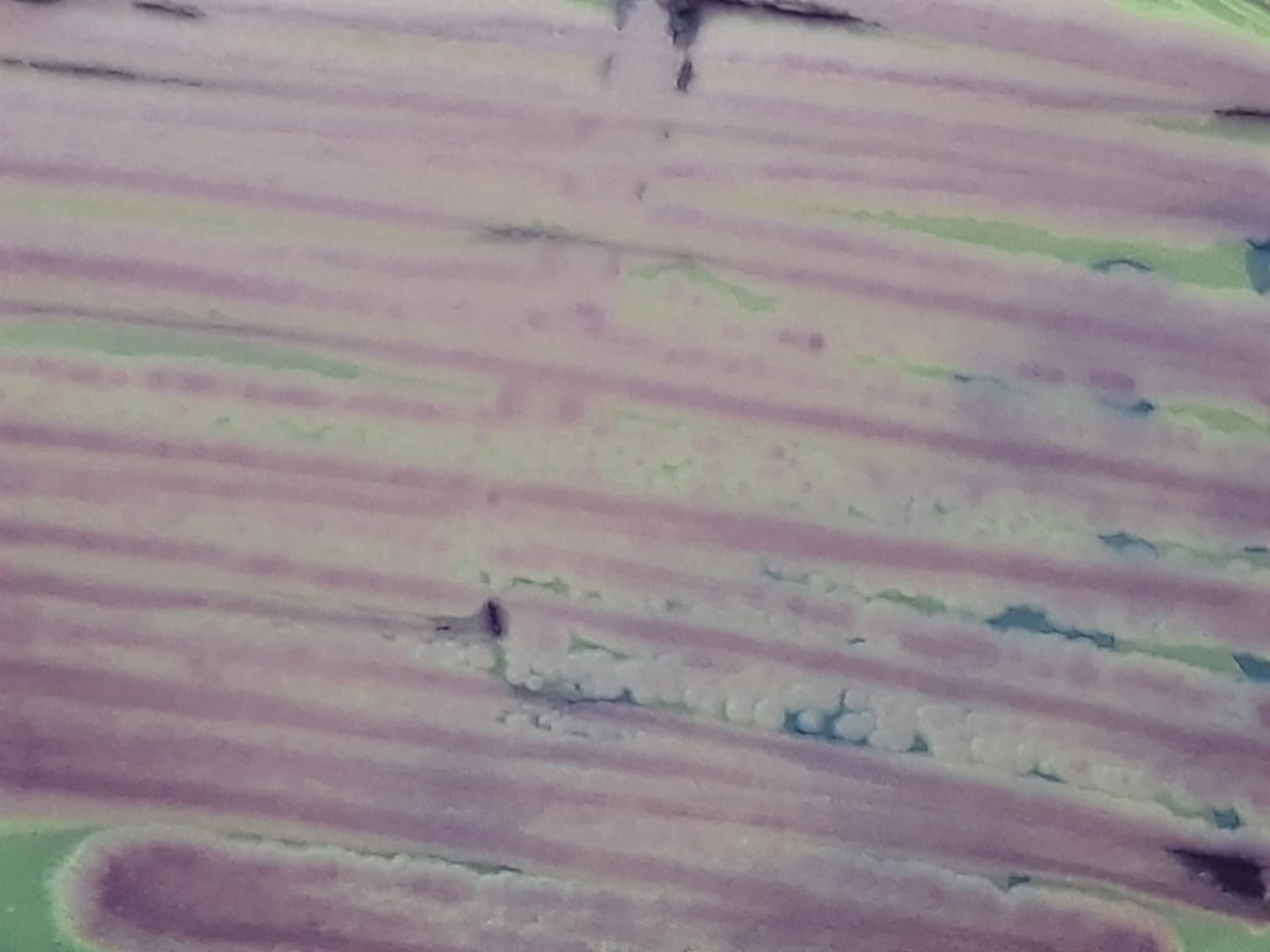
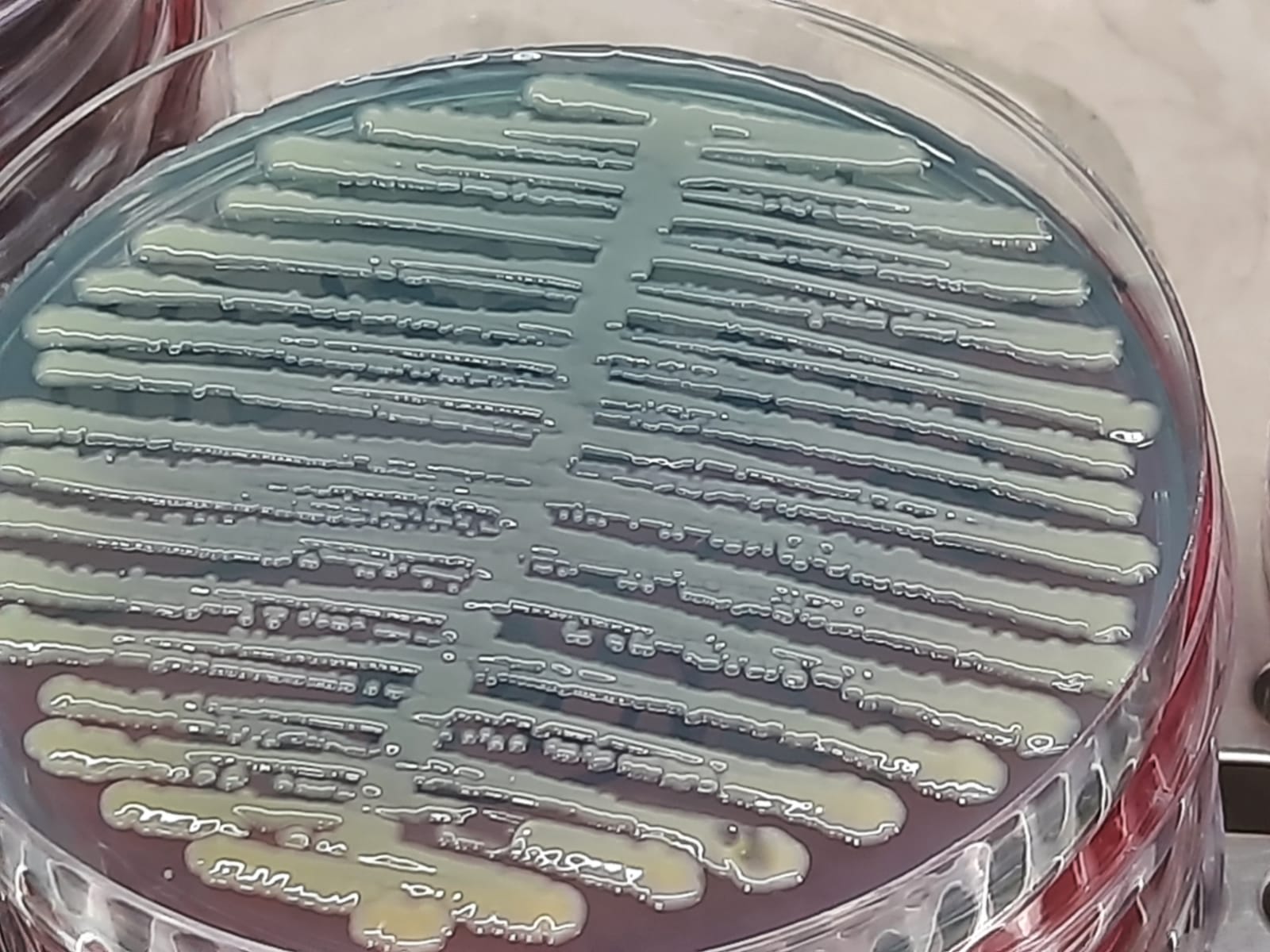
Klebsiella aerogenes colony morphology on CLED agar after 24 hours of incubation

Introduction Klebsiella aerogenes (formerly Enterobacter aerogenes) is an opportunistic Gram-negative, facultative anaerobic bacterium responsible for serious healthcare-associated infections (HAIs), including bloodstream infections and pneumonia. It is highly associated with antibiotic resistance (including XDR strains) and poor clinical outcomes.  Morphology Pathogenicity & Virulence Factors Lab Diagnosis Treatment Prevention Keynotes …

Read more

Rothia kristinae: Introduction, Pathogenicity, Lab Diagnosis, Treatment, Prevention, and Keynotes

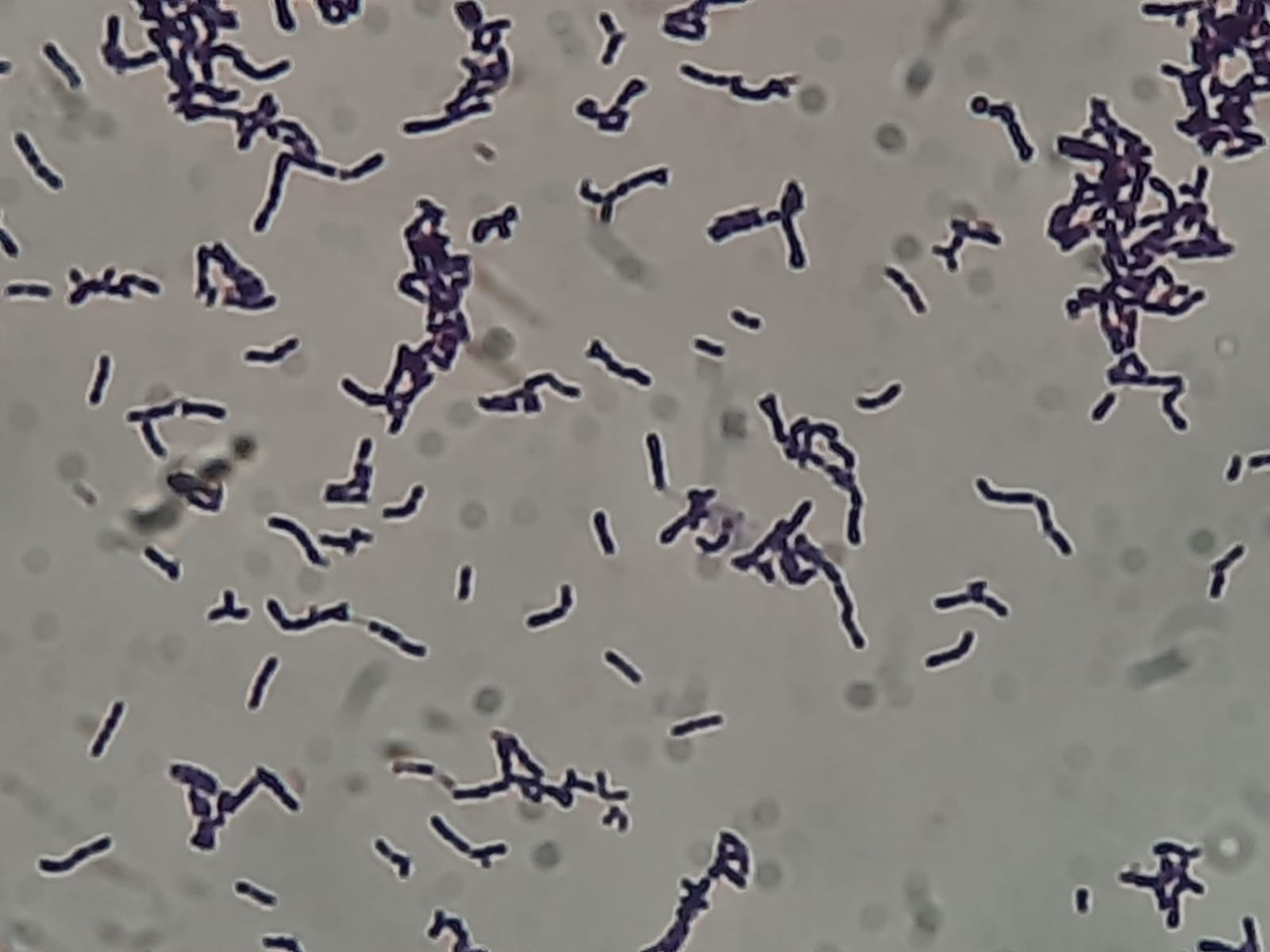
R. kristinae in Gram-stained culture microscopy shows irregular, pleomorphic Gram-positive bacilli, ranging from short rods to e

Introduction Pathogenicity While typically considered a low-grade commensal, it causes serious infections primarily in immunocompromised patients or those with indwelling medical devices.  Lab Diagnosis Treatment There are no official clinical breakpoints, so treatment is often guided by expert consultation and raw Minimum Inhibitory Concentration (MIC) values.  Prevention Keynotes …

Read more

Acinetobacter ursingii: Introduction, Morphology, Pathogenicity, Lab Diagnosis, Treatment, Prevention, and Keynote

Introduction Acinetobacter ursingii is a Gram-negative, non-fermentative, opportunistic bacterium belonging to the genus Acinetobacter. It is an uncommon species compared to Acinetobacter baumannii, but it has been increasingly recognized in healthcare-associated infections (HAIs). Reported cases include bacteremia, septicemia, pneumonia, urinary tract infections, and bloodstream infections, …

Read more

Candida albicans vs. Candida dubliniensis: Introduction, Differences, and Keynotes

Candida albicans growth on Sabouraud dextrose agar (SDA)

Introduction of Candida albicans vs. Candida dubliniensis Both Candida albicans and Candida dubliniensis are closely related yeast species belonging to the genus Candida.They share similar morphological features but differ in pathogenicity, epidemiology, and phenotypic characteristics. Differences Between C. albicans and C. dubliniensis Feature Candida albicans …

Read more

Enterobacter cloacae complex: Introduction, Morphology, Pathogenicity, Lab Diagnosis, Treatment, Prevention, and Keynotes

Enterobacter cloacae complex (ECC) colony morphology on CLED agar

Introduction The Enterobacter cloacae complex (ECC) is a group of closely related bacterial species, including Enterobacter cloacae, Enterobacter hormaechei, and others, that can cause a variety of infections, particularly in healthcare settings. ECC is a significant cause of nosocomial (hospital-acquired) infections, including bloodstream infections, pneumonia, and urinary …

Read more

Klebsiella ozaenae : Introduction, Morphology, Pathogenicity, Lab Diagnosis, Treatment, Prevention, and Keynotes

Klebsiella ozaenae colony morphology on CLED agar

Introduction of Klebsiella ozaenae Klebsiella pneumoniae subspecies ozaenae (Klebsiella ozaenae) is a Gram-negative bacterium (GNB), primarily associated with atrophic rhinitis (ozena), a chronic condition of the nasal cavity characterized by tissue thinning and unpleasant odor. It is also known as a normal inhabitant of the oral and …

Read more

Paecilomyes marquandii-Introduction, Morphology, Pathogenicity, Lab Diagnosis, Treatment, Prevention, and Keynotes

Conidia, conidiophores, and phialides of Paecilomyes marquandii in LPCB preparation of culture microscopic examination

Introduction of Paecilomyes marquandii Paecilomyces marquandii is a saprophytic fungus found in soil and decaying matter. Moreover, it sometimes acts as an opportunistic pathogen. Additionally, it infects immunocompromised patients. Furthermore, clinicians report emerging cases of this fungus in various clinical settings. Morphology The fungus forms …

Read more

Staphylococcus sciuri- Introduction, Morphology, Pathogenicity, Lab Diagnosis, Treatment, Prevention, and Keynotes

Staphylococcus sciuri Gram positive cocci in singles, pairs, chains and clusters in Gram stain of culture microscopic examination

Introduction Staphylococcus sciuri belongs to the coagulase-negative staphylococci (CoNS) group. Since it thrives in diverse environments, scientists often isolate it from animals, soil, and water. Moreover, it colonizes the skin and mucosal surfaces of humans and animals. Although it usually remains harmless, it can cause …

Read more