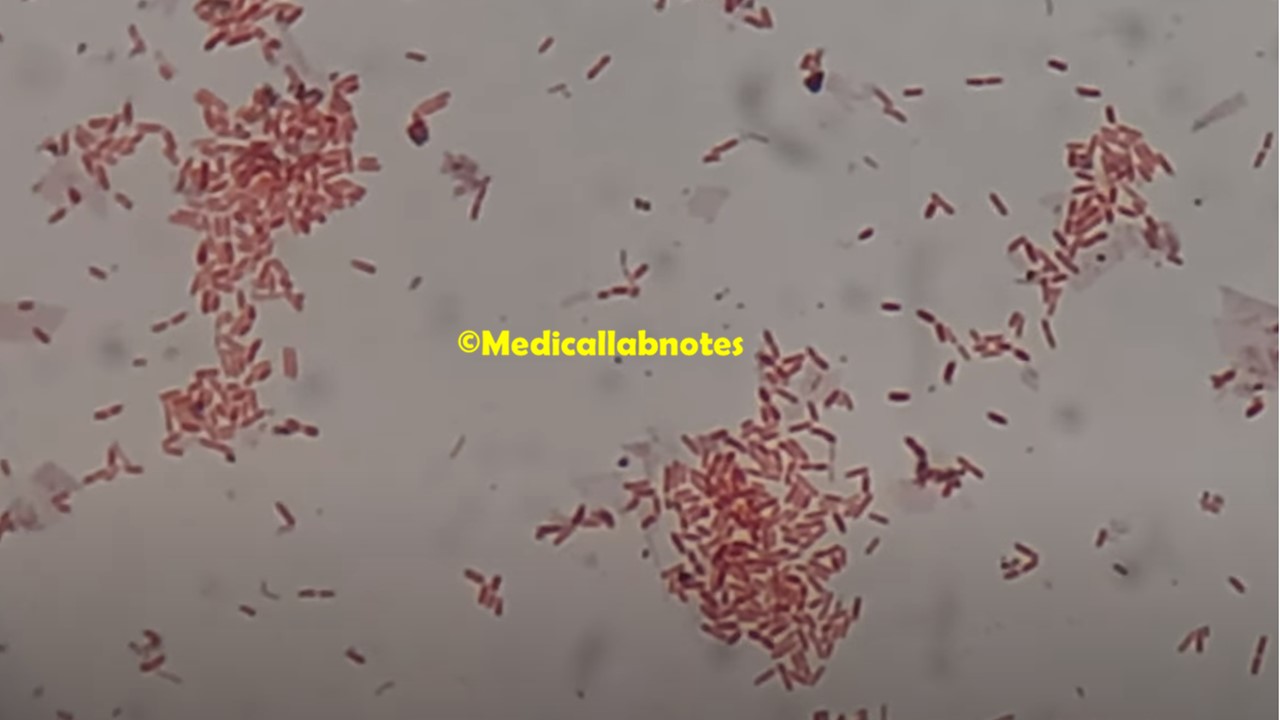
Gardnerella vaginalis: Introduction, Morphology, Pathogenicity, Lab Diagnosis, Treatment, Prevention, and Keynotes
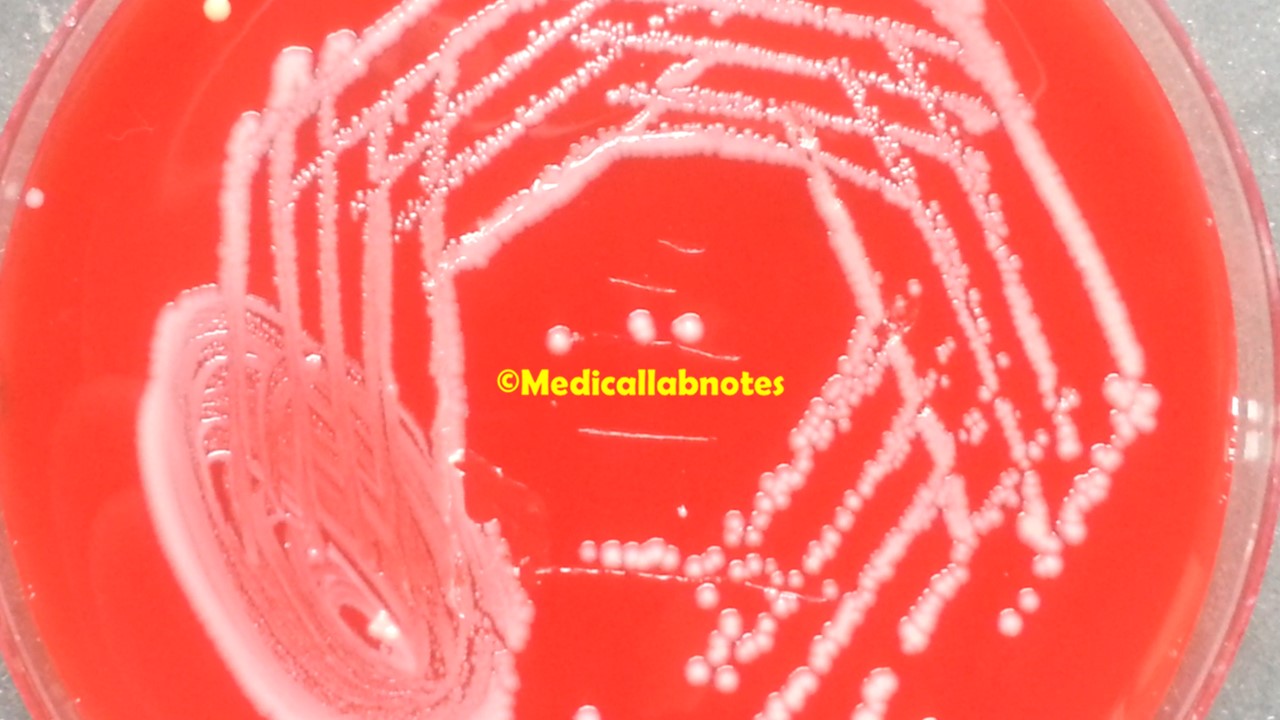
Introduction Gardnerella vaginalis is a Gram-variable bacterium that is considered to be a facultative anaerobe, meaning it can survive in both aerobic and anaerobic environments. It is the main causative agent of bacterial vaginosis (BV), a common vaginal infection in women of reproductive age. BV …

Read more

Chlamydia pneumoniae: Introduction, Morphology, Pathogenicity, Lab Diagnosis, Treatment, Prevention, and Keynotes

Introduction Chlamydia pneumoniae, also known as Chlamydophila pneumoniae, is a species of bacteria that belongs to the Chlamydiaceae family. It is an obligate intracellular pathogen, meaning it can only survive and replicate inside the cells of its host. It primarily infects the respiratory system, causing …

Read more

Staphylococcus saprophyticus: Introduction, Morphology, Pathogenicity, Lab Diagnosis, Treatment, Prevention, and Keynotes

Staphylococcus saprophyticus on Muller-Hinton agar (MHA) showing novobiocin resistance

Introduction Staphylococcus saprophyticus is a species of bacteria that belongs to the genus Staphylococcus. It is a Gram-positive, coagulase-negative, and facultative anaerobic bacterium. Like other staphylococci, S. saprophyticus typically appears in clusters under a microscope, which is characteristic of its name, derived from the Greek …

Read more

Mycobacterium leprae: Introduction, Morphology, Pathogenicity, Lab Diagnosis, Treatment, Prevention, and Keynotes

Heavy load of acid fast bacilli (AFB) of Mycobacterium leprae in modified Ziehl-Neelsen staining of slit skin smear microscopy at a magnification of 1000X

Introduction Mycobacterium leprae is the bacterium responsible for causing leprosy, also known as Hansen’s disease. It is an ancient disease that has afflicted humans for thousands of years, and it continues to be a significant public health concern in some parts of the world. M. …

Read more

Herpes Simplex Virus (HSV): Introduction, Morphology, Pathogenicity, Lab Diagnosis, Treatment, Prevention, and Keynotes

Tzanck Smear- Positive of Herpes Simplex Virus (HSV)

Introduction Herpes Simplex Virus (HSV) is a common and highly contagious virus that infects humans. It belongs to the family Herpesviridae and is characterized by its ability to establish a lifelong infection in the host. HSV exists in two main types: HSV-1 and HSV-2. Transmission: …

Read more

Mycobacterium tuberculosis: Introduction, Morphology, Pathogenicity, Lab Diagnosis, Treatment, Prevention, and Keynotes

Mycobacterium tuberculosis colony morphology on LJ medium

Introduction Mycobacterium tuberculosis is a bacterium that causes tuberculosis (TB), a contagious infectious disease primarily affecting the lungs but can also affect other parts of the body. TB has been a significant public health concern worldwide, causing illness and death for thousands of years. Key …

Read more

Achromobacter xylosoxidans: Introduction, Morphology, Pathogenicity, Lab Diagnosis, Treatment, Prevention, and Keynotes

Gram negative rods (GNRs) or Gram negative bacilli (GNBs)of Achromobacter xylosoxidans in Gram staining of culture microscopy

Introduction Achromobacter xylosoxidans is a gram-negative, non-fermenting bacterium that belongs to the family Alcaligenaceae. It is an aerobic, rod-shaped bacterium known for its versatile metabolic capabilities and its widespread distribution in various environments, including soil, water, and hospital settings. Originally classified as Alcaligenes xylosoxidans, the …

Read more

Trichomonas vaginalis: Introduction, Morphology, Pathogenicity, Lab Diagnosis, Treatment, Prevention, and Keynotes

Introduction Trichomonas vaginalis is a parasitic protozoan that causes the sexually transmitted infection (STI) known as trichomoniasis. This unicellular organism primarily infects the urogenital tract in both men and women. Trichomoniasis is one of the most common curable STIs worldwide. Here are some key points …

Read more