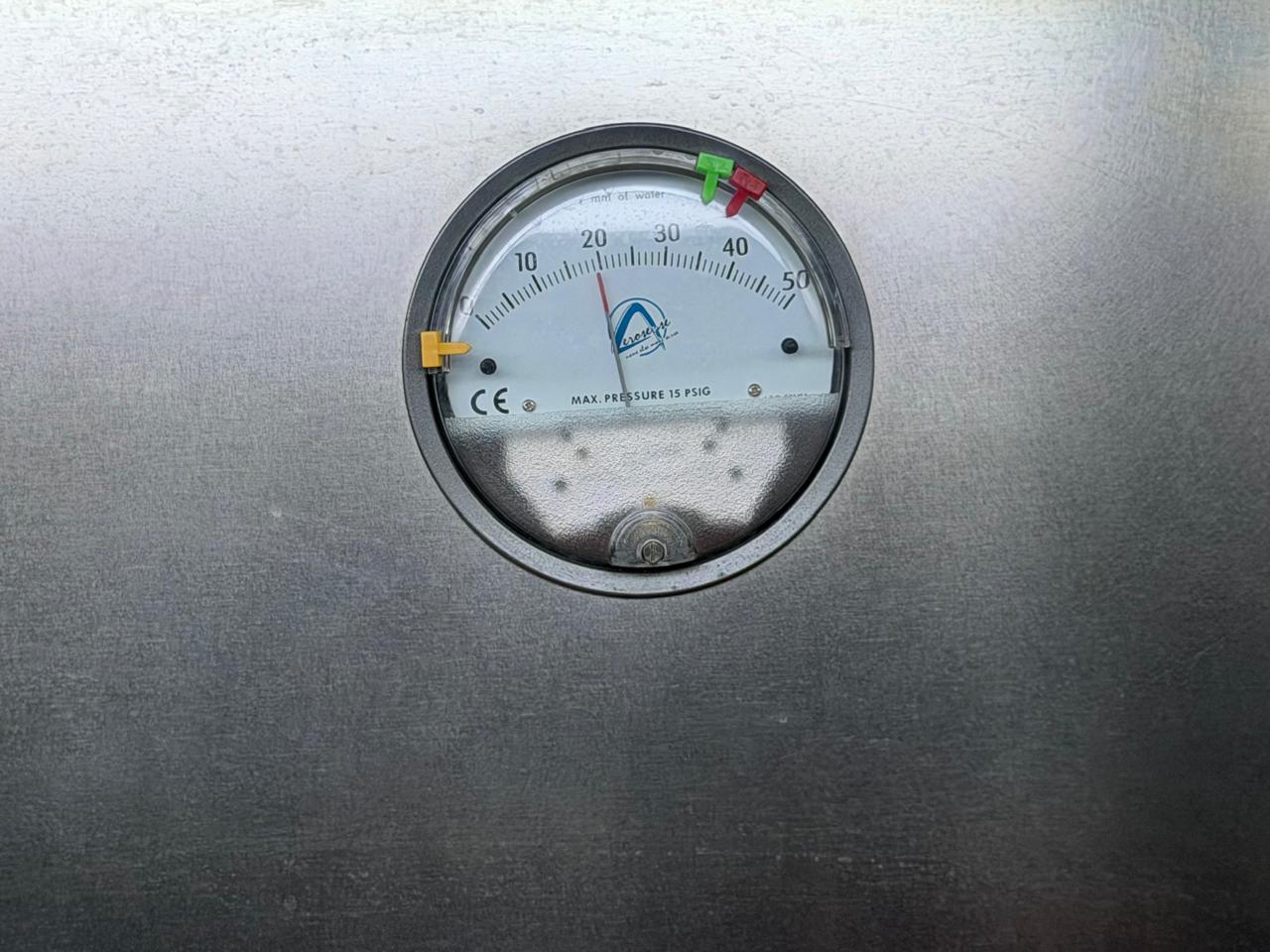
Infection Prevention & Control and Waste Management: Introduction, Procedure, Waste segregation, Disposal, Application, and Keynotes

Introduction Infection Prevention and Control (IPC) and Healthcare Waste Management (HCWM) are critical systems used to minimize the spread of pathogens, protecting patients, healthcare workers, and the environment. Approximately 15–25% of healthcare waste is considered hazardous, necessitating strict management protocols. IPC is an evidence-based approach …

Read more

Orientia and Rickettsia: Introduction, Comparison, Key Differences, Treatment and Diagnosis

Scrub Typhus (Orientia tsutsugamushi) Rapid Test positive and negative results

Introduction Orientia and Rickettsia are two closely related genera of bacteria within the family Rickettsiaceae. Both are small, gram-negative, obligate intracellular pathogens, meaning they can only grow and replicate inside the living cells of their hosts. While they share many clinical features—such as causing fever, …

Read more

Biosafety Officer: Introduction, Roles, Uses, Clinical Significance, and Keynotes

Importnace of Biosafety Officer

Introduction A Biosafety Officer (BSO) is a technical expert responsible for the strategic and integrated management of biological risks within an organization. Acting as the human component of a biosafety system, they ensure that laboratory practices, containment, and procedures minimize unintentional exposure to pathogens and …

Read more

Immunohistochemistry (IHC): Introduction, Application, and Keynotes

Introduction to IHC Immunohistochemistry (IHC) is a powerful laboratory technique that combines anatomical, immunological, and biochemical methods to detect specific antigens (proteins) in tissue sections. By exploiting the principle of antibodies binding specifically to antigens in biological tissues, IHC allows for the visualization of protein …

Read more

Tru-Cut Biopsy (Core Needle Biopsy): Introduction, Procedure, Application, and Keynotes

Introduction A Tru-cut biopsy, also known as a core needle biopsy (CNB), is a minimally invasive diagnostic procedure used to extract a small, solid cylinder (core) of tissue from a suspicious mass. Unlike Fine Needle Aspiration (FNA), which only collects individual cells, a Tru-cut biopsy …

Read more

VITEK 2 Yeast AST System: Introduction, Name of Card, Principle, Procedure, Result-Interpretation, and Keynotes

VITEK 2 AST-YS08-Yeast Indentification Card

Introducton The VITEK 2 Yeast AST system is a fully automated solution for the quantitative determination of antifungal susceptibility in clinically significant yeasts, such as Candida species. It provides rapid and accurate results, often in as little as 13 to 24 hours. Name of Card …

Read more

VITEK 2 Yeast Identification: Introduction, Name of Card, Principle, Procedure, Result-Interpretation, Organisms Identified, and Keynotes

VITEK 2 YST Card information and Organisms Identified

Introduction The VITEK 2 Yeast Identification (YST) system is an automated platform designed for the rapid identification of clinically significant yeasts and yeast-like organisms. It significantly reduces the turnaround time from several days (traditional methods) to approximately 15 to 18 hours. Name of the Card …

Read more

VITEK 2 System: Introduction, Organisms List and Identification Cards, Principle, Identification Procedure, Result-Interpretation, and Keynotes

The image shows a front view of the bioMérieux VITEK 2 Compact, a benchtop automated system designed for rapid microbial identification and antibiotic susceptibility testing in clinical laboratorie

Introduction The VITEK 2 System is an automated microbiology platform designed for the rapid identification (ID) and antimicrobial susceptibility testing (AST) of a wide range of microorganisms. It utilizes miniaturized, closed cards that enhance lab safety and streamline workflow. The VITEK 2 cards are lightweight, …

Read more