Raoultella ornithinolytica: Introduction, Morphology, Pathogenicity, Lab Diagnosis, Treatment, Prevention, and Keynotes

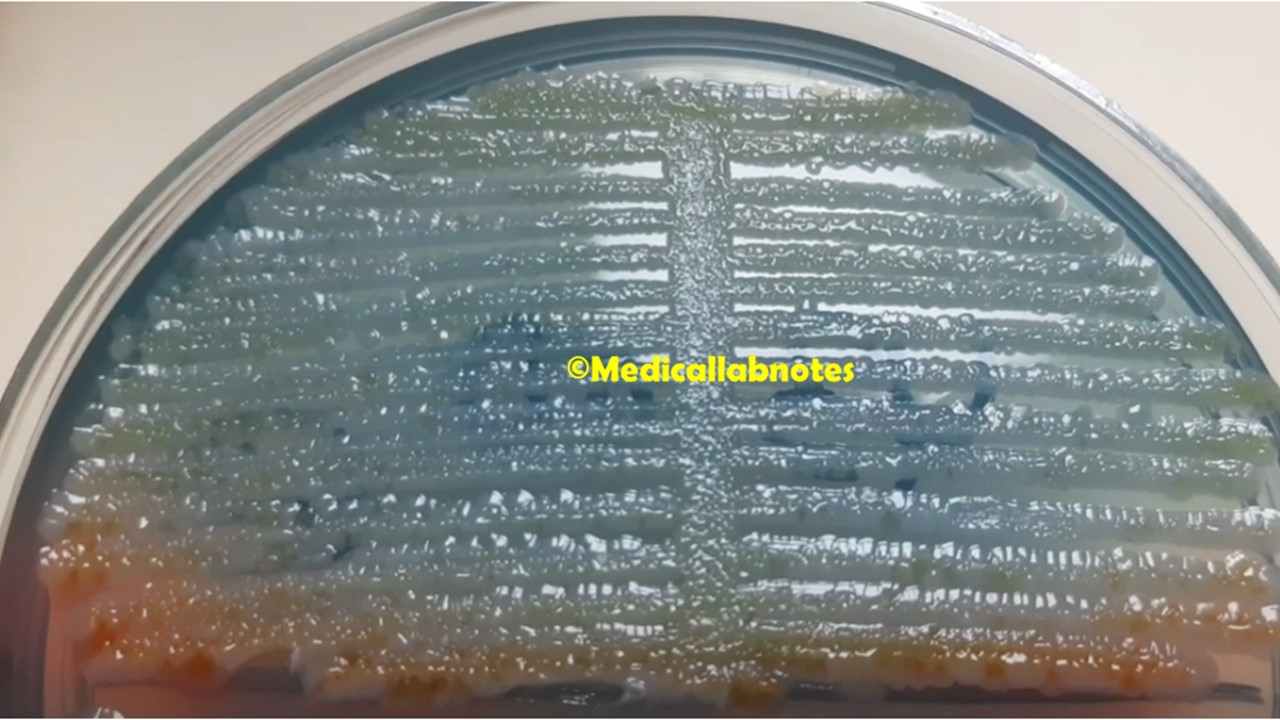
Routella ornithinolytica lactose fermenting colony on MacConkey agar

Introduction Raoultella ornithinolytica is a Gram-negative, encapsulated, non-motile, rod-shaped bacterium belonging to the family Enterobacteriaceae. Originally classified under the genus Klebsiella, it has been reclassified due to its distinct biochemical properties, including the ability to metabolize ornithine. This bacterium is commonly found in water, soil, …

Read more

Neuron-Specific Enolase (NSE) Blood Test-Introduction, Test Result, Unit, Reference Range, Test Methods, Clinical Significance, and Keynotes

Introduction The Neuron-Specific Enolase (NSE) Blood Test is a medical diagnostic test used to measure the level of neuron-specific enolase, an enzyme found in neurons, in a patient’s blood. This test is valuable in various clinical settings, particularly in neurology and oncology, and it provides …

Read more

E. aerogenes: Introduction, Morphology, Pathogenicity, Lab Diagnosis, Treatment, Prevention, and Keynotes

Enterobacter aerogenes colony morphology on CLED agar of urine culture

Introduction Enterobacter aerogenes is a bacterium belonging to the Enterobacteriaceae family, which includes several other important pathogens and opportunistic bacteria. E. aerogenes is a Gram-negative, rod-shaped bacterium that is commonly found in various environments, including soil, water, and the gastrointestinal tracts of humans and animals. …

Read more

Listeria monocytogenes: Introduction, Morphology, Pathogenicity, Lab Diagnosis, Treatment, Prevention, and Keynotes

Listeria monocytogenes colony morphology on blood agar-Upper side

Introduction Listeria monocytogenes is a gram-positive, rod-shaped bacterium that is widely distributed in nature and can cause a serious foodborne infection known as listeriosis. It is one of the few bacterial species capable of growing at refrigeration temperatures, making it a significant concern for food …

Read more

TB PCR for Sputum: Introduction, Test Result, Unit, Normal Range, Assaying Method, Clinical Significance, and Keynotes

TB PCR for Sputum-Mycobacterium tuberculosis Detected but Rifampicin Resistance not Detection

Introduction TB PCR (polymerase chain reaction) for sputum is a laboratory test used in the diagnosis of tuberculosis (TB). It is a molecular diagnostic technique that detects the presence of Mycobacterium tuberculosis (the bacterium that causes TB) DNA in sputum samples. Traditional methods of diagnosing …

Read more

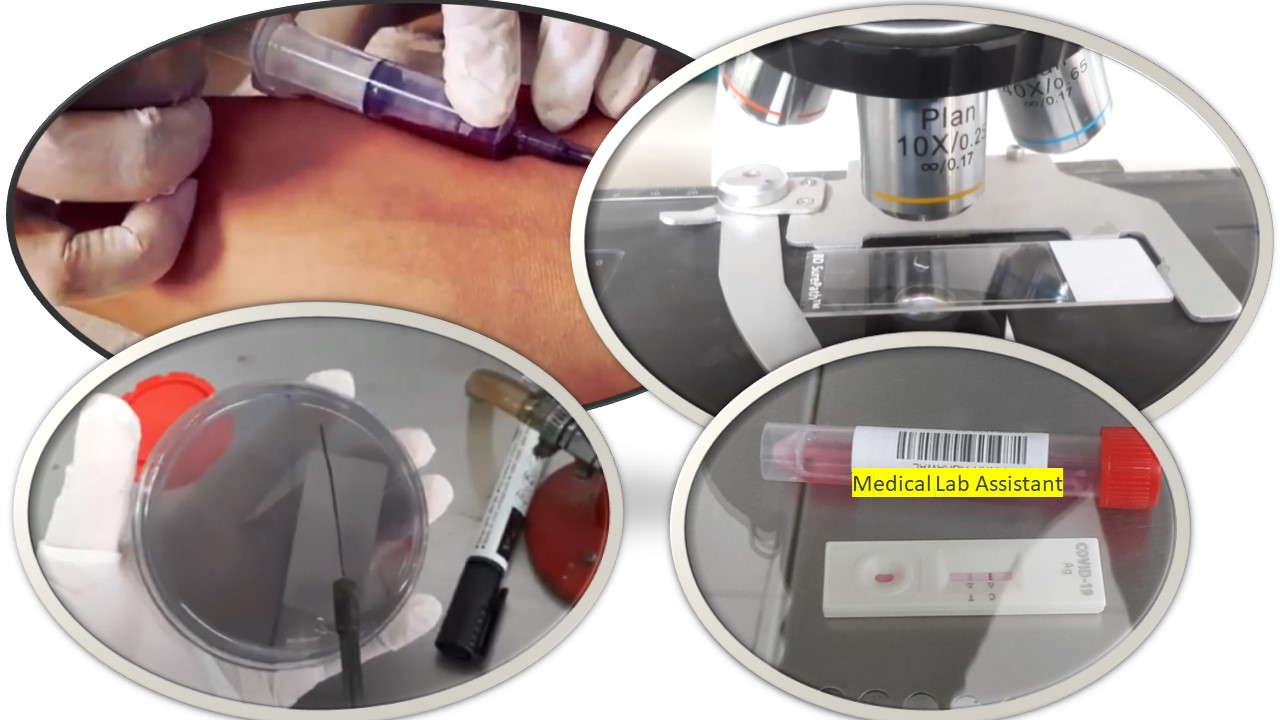
Medical Lab Assistant: Introduction, Scope, Keynotes, and Curriculum PDF

Medical Lab Assistant-Scope in Clinical Laboratory

Introduction A medical lab assistant plays a crucial role in the healthcare industry. They work in medical laboratories, clinics, hospitals, research facilities, and other healthcare settings, performing various laboratory tests and procedures to assist in the diagnosis, treatment, and prevention of diseases. Here are some …

Read more

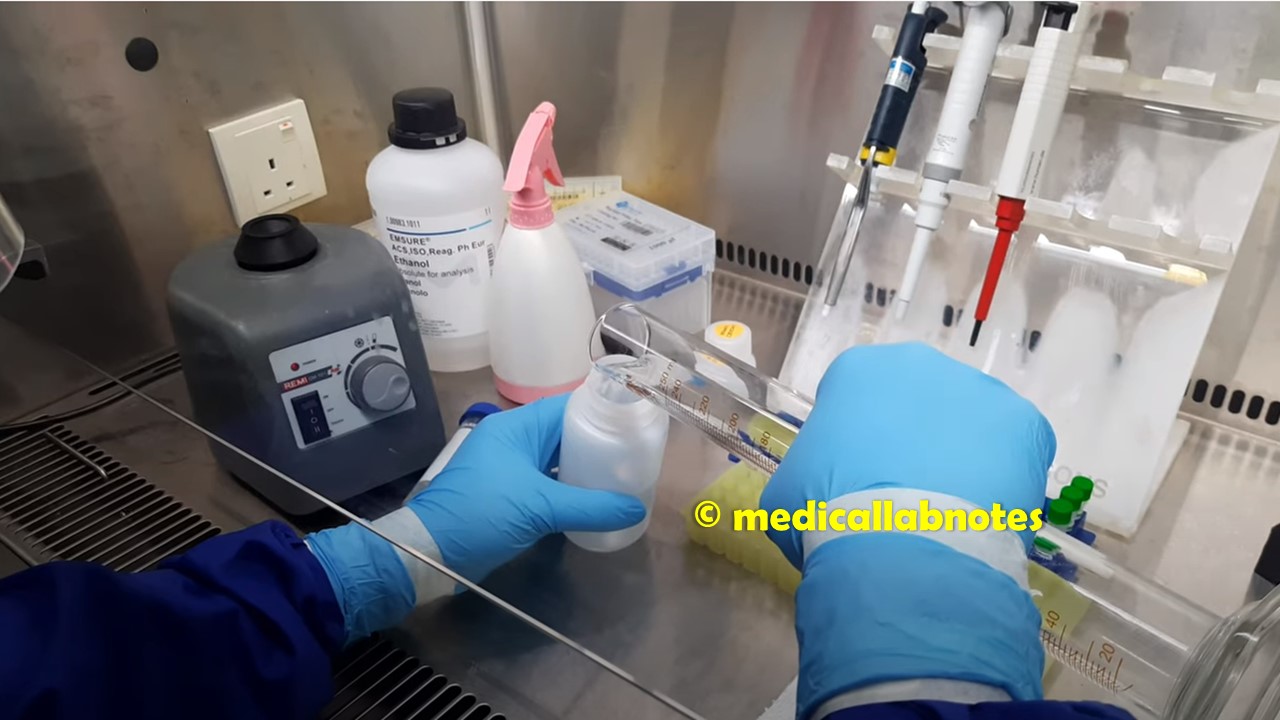
Molecular Diagnostics Laboratory: Introduction, List of Tests, Specimen,Testing Method, and Keynotes

Molecular Diagnostics Laboratory: Introduction, List of Tests, Specimen,Testing Method, and Keynotes

Introduction of Molecular Diagnostics Laboratory As we know, simple diseases are due to either metabolic disorders or infectious agents (bacteria, viruses, fungi, parasites, prions). Molecular Diagnostics is a powerful tool for the identification of both conditions at genetic levels (e.g. metabolic disorders like cancer, and …

Read more