Fat Droplet-Introduction, Clinical Significance, Lab Diagnosis, and Keynotes

Introduction Clinical Significance of Fat Droplet Laboratory Diagnosis 1. Specimen: 2. Microscopy: 3. Special Stains: Keynotes on Fat Droplet Further Readings

This site is fully related to medical laboratory information for public and health care professionals.
Introduction Clinical Significance of Fat Droplet Laboratory Diagnosis 1. Specimen: 2. Microscopy: 3. Special Stains: Keynotes on Fat Droplet Further Readings

Introduction Clinical Significance of Dust Cell Laboratory Diagnosis 1. Specimen: 2. Microscopy (unstained or stained): 3. Stains: 4. Polarized Microscopy: Keynotes on Dust Cell Further Readings
Introduction Laboratory Diagnosis 1. Histopathology: 2. Immunohistochemistry (IHC): 3. Electron Microscopy (optional): 4. Complete Blood Count (CBC): 5. Radiology: 6. BRAF V600E Mutation: Treatment Depends on severity and extent: Single-System Disease: Multisystem Disease: Supportive Care: Prevention Keynotes Further Readings

Introduction of Penicillium vs Paecilomyces Penicillium is a ubiquitous, saprophytic mold found in soil, air, and decaying organic matter. Known for producing the first antibiotic, penicillin, it is typically non-pathogenic but occasionally causes opportunistic infections in immunocompromised hosts. Paecilomyces (especially P. lilacinus and P. variotii) …
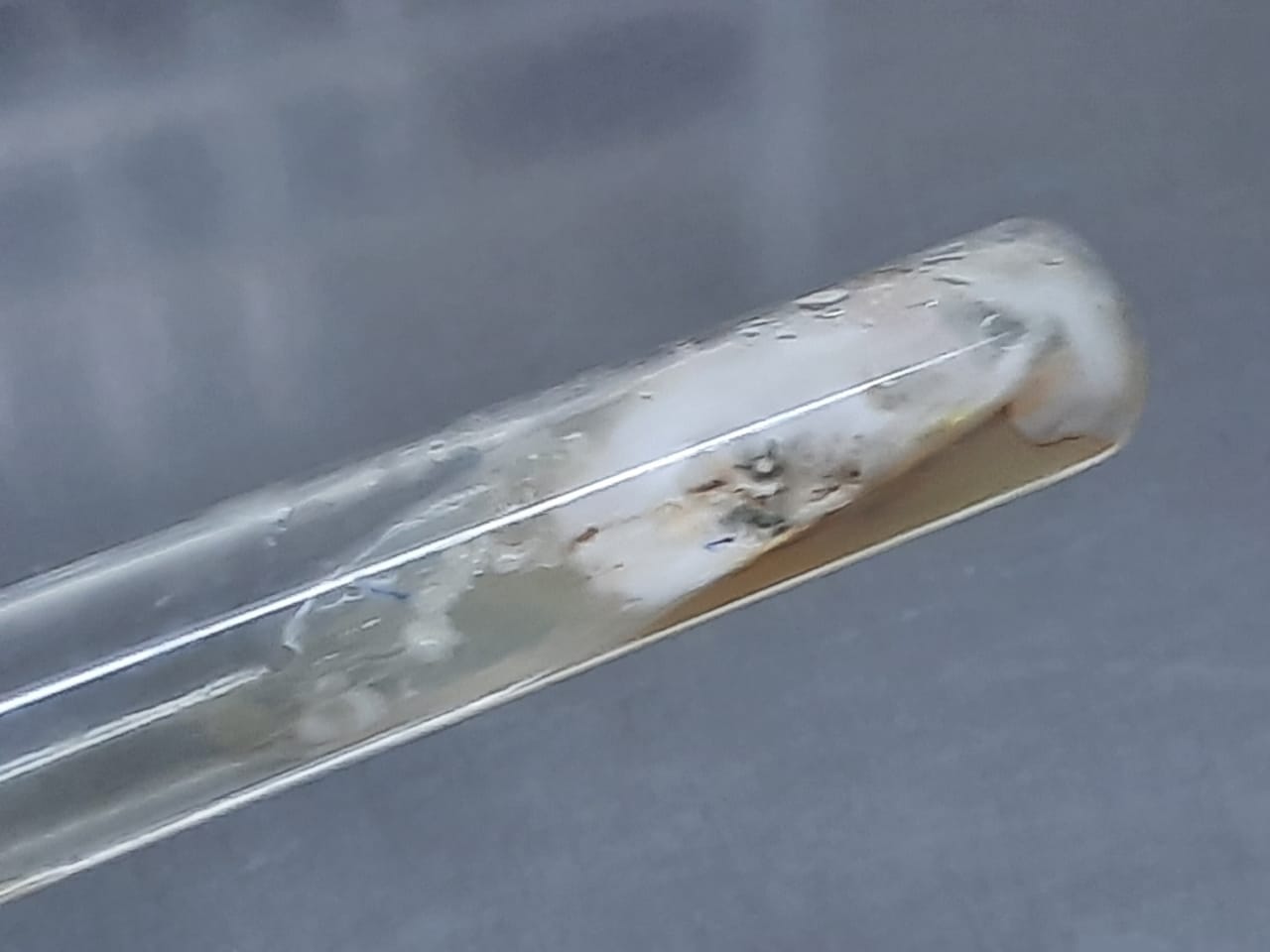
Yeasts vs Molds: Detailed Comparison Feature Yeasts Molds Definition Unicellular fungi Multicellular filamentous fungi Structure Oval/round, single cells Hyphae form mycelium; septate or aseptate Reproduction Asexual (budding or fission); some sexual forms Asexual (spores like conidia/sporangia); sexual spores Hyphae Absent, but pseudohyphae may be present …

Introduction Fungemia refers to the presence of fungi in the bloodstream, indicating systemic fungal infection. Candida species are most commonly responsible, but other yeasts and molds may also invade the bloodstream. Fungemia is a medical emergency, especially in ICU patients, immunocompromised hosts, post-surgical cases, and …

Introduction Funguria refers to the presence of fungi in the urine, either due to colonization, contamination, or true urinary tract infection (UTI). It is increasingly reported in hospitalized or catheterized patients, particularly those with immunosuppression, antibiotic overuse, or diabetes. Most cases are asymptomatic, but it …

Introduction Fungal pneumonia or invasive fungal pulmonary infection is often life-threatening, especially in immunocompromised patients, such as those with cancer, undergoing chemotherapy, or with HIV/AIDS. pulmonary inflammation caused by inhaled fungal spores or hematogenous fungal spread, leading to pneumonia-like illness. Common Fungi Causing Pulmonary Infections: …