Fungal Elements in KOH Mount of Sputum Microscopy-Introduction, Fungal Elements Observed in Sputum KOH Mount, Applications, and Keynotes

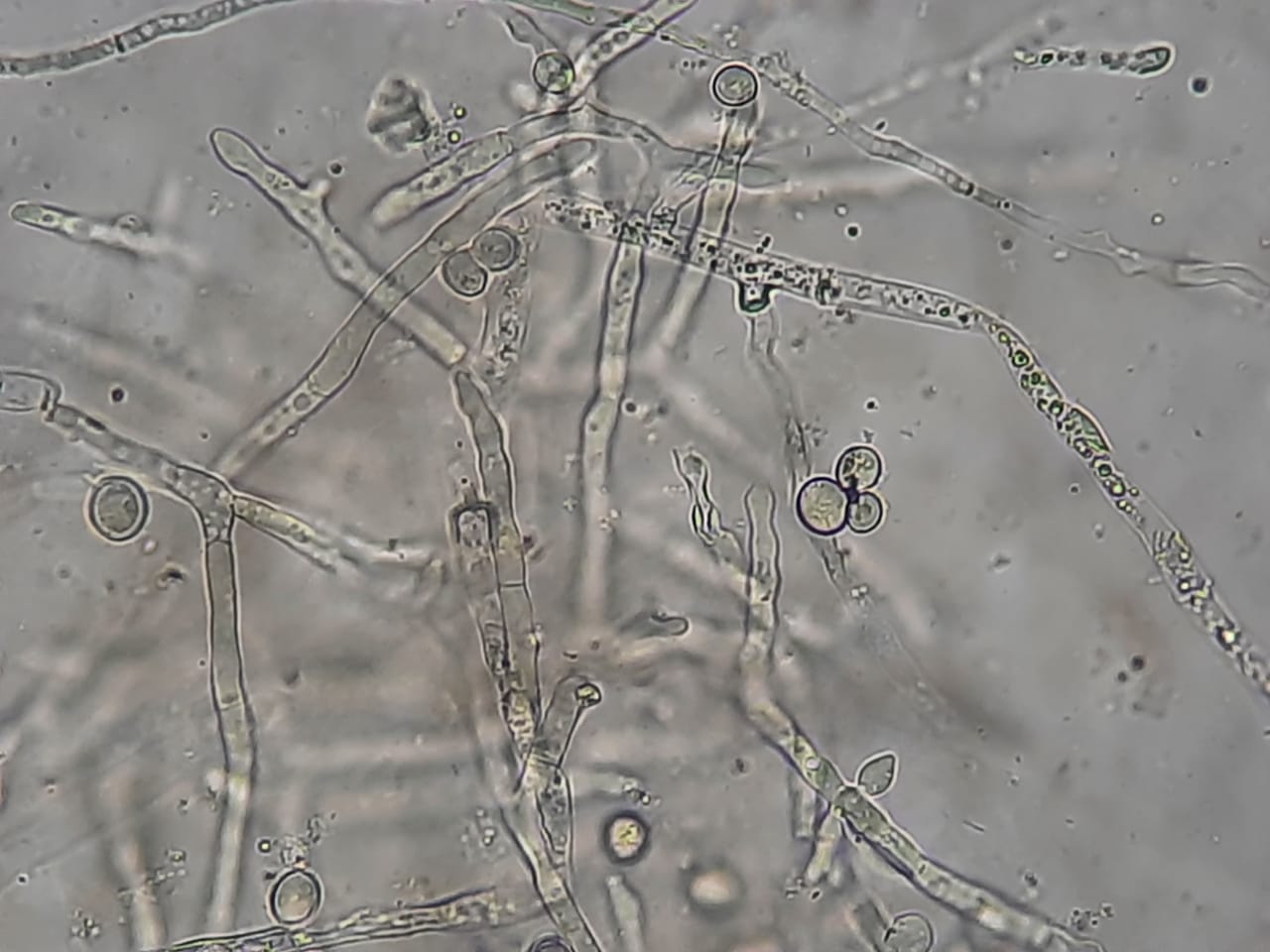
Fungal Elements in KOH Mount of Sputum Microscopy at a magnification of 1600X

Introduction KOH mount of sputum is a rapid, direct microscopic technique used to detect fungal elements in the respiratory tract. A 10–20% Potassium Hydroxide (KOH) solution digests mucus, epithelial cells, and debris in sputum, while preserving the chitin-rich fungal cell walls, making them appear clear, …

Read more

Fungal Elements in KOH Mount of BAL (Bronchoalveolar Lavage) Microscopy- Introduction, Fungal Elements Observed in BAL KOH Mount, Applications, and Keynotes

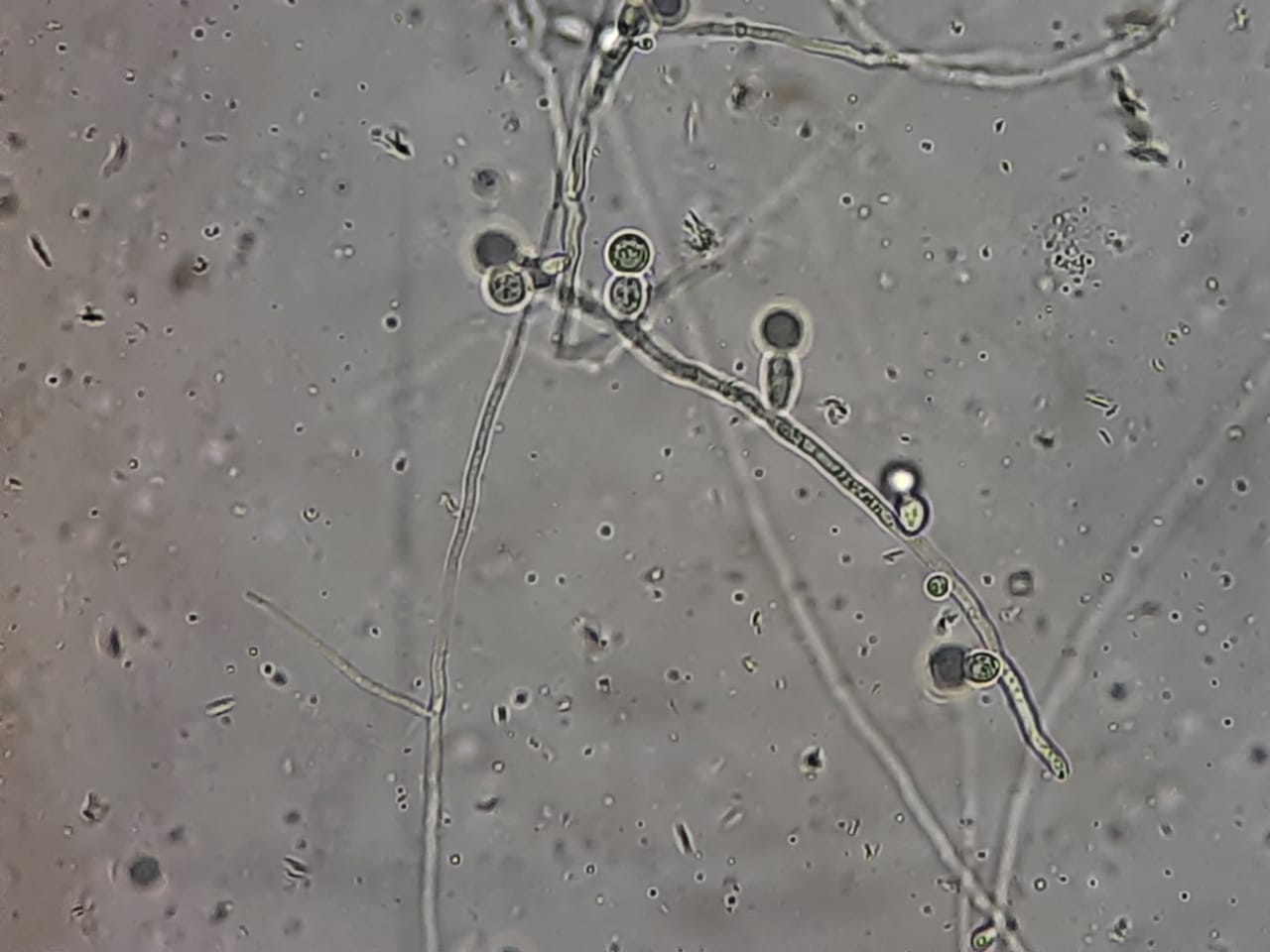
Fungal Elements in wet mount of culture of BAL specimen

Introduction KOH mount (Potassium Hydroxide preparation) is a rapid, simple, and cost-effective microscopic technique used to detect fungal elements directly in clinical specimens.When applied to Bronchoalveolar Lavage (BAL) samples, it is an essential diagnostic tool for identifying pulmonary fungal infections, especially in the ICU, oncology, …

Read more

Fungal Elements in KOH Mount of Urine Microscopy: Introduction, Fungal Elements Observed in Urine KOH Mount, Applications, and Keynotes

Fungal elements in KOH Mount of Urine Microscopy- Introduction, Fungal Elements Observed in Urine KOH Mount, Applications, and Keynotes

Introduction Potassium Hydroxide (KOH) mount is a simple, rapid, and cost-effective microscopic technique used to detect fungal elements in various clinical specimens, including urine samples. When fungal infection of the urinary tract (funguria) is suspected—especially in immunocompromised, diabetic, or catheterized patients—KOH mount helps visualize yeast …

Read more

Bio-Incubator: Introduction, Application, and Keynotes

This Bio-Incubator provides a stable environment for the growth and incubation of microbial cultures, enzymatic reactions, and biological assays. The display screen shows the process status as “FINISHED” with a temperature reading of 27.2°C, indicating the incubation cycle is complete. It is commonly used in clinical, molecular, and research laboratories for applications such as culture incubation, spore testing, and enzyme activation.

Introduction A Bio-Incubator is a laboratory device designed to provide a controlled environment of temperature, humidity, and time for the growth and maintenance of microbial cultures, cell lines, and biological reactions. It is an essential tool in microbiology, molecular biology, biotechnology, and clinical diagnostics.By maintaining …

Read more

Molds-Broth Microdilution Testing (EUCAST): Introduction, Principle, Clinical Significance, and Keynotes

Molds-Broth Microdilution Testing (EUCAST)- Introduction, Principle, Clinical Significance, and Keynotes

Introduction Invasive mold infections caused by species such as Aspergillus, Fusarium, Scedosporium, and Mucorales pose serious challenges, especially in immunocompromised and oncology patients. Accurate antifungal susceptibility testing (AFST) is essential for guiding therapy and monitoring resistance trends. The EUCAST (European Committee on Antimicrobial Susceptibility Testing) …

Read more

Direct Microscopy-KOH Smear: Introduction, Uses, and Keynotes

Introduction Direct microscopic examination is one of the most rapid and inexpensive diagnostic methods for detecting fungal elements in clinical specimens. Potassium hydroxide (KOH) smear is a routine technique in mycology that helps visualize fungal structures such as hyphae, yeast cells, and sclerotic bodies directly …

Read more

Aspergillus-Antigen Testing:Introduction, Principle, Clinical Significance, and Keynotes

Aspergillus-Antigen Testing-Introduction, Principle, Clinical Significance, and Keynotes

Introduction Aspergillus species, particularly Aspergillus fumigatus, are major causes of invasive aspergillosis (IA), especially in immunocompromised patients, such as those with hematological malignancies, transplant recipients, or those with prolonged neutropenia. Diagnosis of IA is often challenging because clinical symptoms and radiological findings are nonspecific. Aspergillus …

Read more

Yeast Identification by MALDI-TOF (BRUKER): Introduction, Principle, Clinical Significance, and Keynotes

Yeast Identification by MALDI-TOF (BRUKER)- Introduction, Principle, Clinical Significance, and Keynotes

Introduction Yeast infections, particularly those caused by Candida, Cryptococcus, and other opportunistic yeasts, are significant in immunocompromised and oncology patients. Rapid and accurate identification of yeasts is essential for guiding therapy and improving patient outcomes. Matrix-Assisted Laser Desorption Ionization–Time of Flight Mass Spectrometry (MALDI-TOF MS), …

Read more