VITEK 2 System: Introduction, Organisms List and Identification Cards, Principle, Identification Procedure, Result-Interpretation, and Keynotes

The image shows a front view of the bioMérieux VITEK 2 Compact, a benchtop automated system designed for rapid microbial identification and antibiotic susceptibility testing in clinical laboratorie

Introduction The VITEK 2 System is an automated microbiology platform designed for the rapid identification (ID) and antimicrobial susceptibility testing (AST) of a wide range of microorganisms. It utilizes miniaturized, closed cards that enhance lab safety and streamline workflow. The VITEK 2 cards are lightweight, …

Read more

Hantavirus Outbreak: Introduction, Outbreak Status and Impact, Origin and Transmission, and Prevention Measures

 Introduction As of May 7, 2026, international health authorities are responding to a rare and deadly hantavirus outbreak aboard the Dutch expedition cruise ship MV Hondius. The outbreak is specifically linked to the Andes strain, which is notable for being the only hantavirus variety capable …

Read more

First-Line Drug Susceptibility Testing (SL-DST) for Tuberculosis: Introduction, Principle, Procedure, Result-Interpretation, and Keynotes

 Introduction First-Line Drug Susceptibility Testing (FL-DST or sometimes referred to in context as SL-DST when covering all first-line agents: Rifampicin, Isoniazid, Ethambutol, Pyrazinamide) is a crucial laboratory procedure used to determine if a patient’s Mycobacterium tuberculosis (Mtb) strain is sensitive or resistant to primary anti-TB …

Read more

Hantavirus: Introduction, Morphology, Pathogenicity, Lab Diagnosis, Treatment, Prevention, and Keynotes

Introduction Hantaviruses are a group of rodent-borne viruses that cause two main life-threatening diseases in humans: Hantavirus Pulmonary Syndrome (HPS) and Hemorrhagic Fever with Renal Syndrome (HFRS). Unlike many other bunyaviruses, they are not transmitted by insects but primarily through the inhalation of aerosolized rodent …

Read more

Red Sore on Inner Lip: Common Oral Conditions and Common Care Options

Red Sore on Inner Lip

Red Sore on Inner Lip The image shows a red, oval lesion on the inner lower lip with a small white center, surrounded by an area of inflammation. Common Oral Conditions This visual description is consistent with common oral conditions such as: Common Care Options …

Read more

Xpert MTB/RIF: Introduction, Principle, Procedure, Result-Interpretation, Uses, and Keynotes

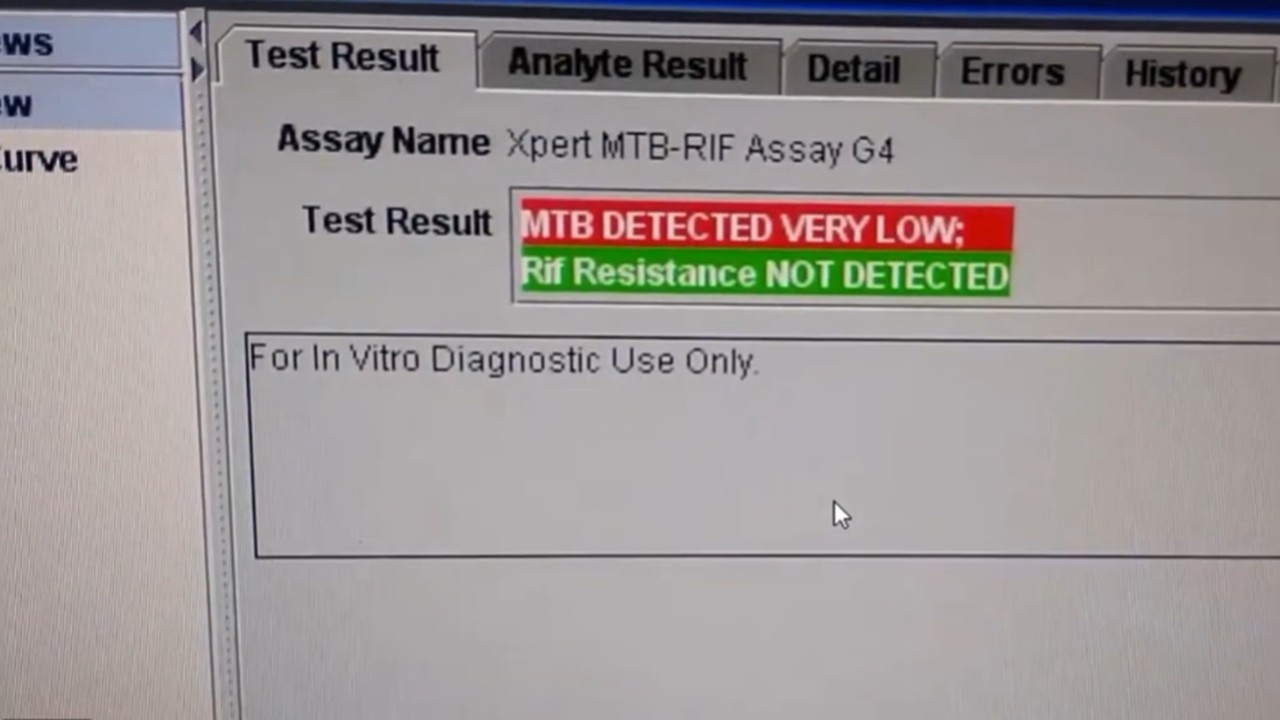
GeneXpert® Xpert® MTBRIF Test Result- MTB Detected (Very Low) and Rifampicin Resistance Not Detected

Introduction The Xpert MTB/RIF assay is an automated, cartridge-based molecular test used to detect Mycobacterium tuberculosis (MTB) and rifampicin (RIF) resistance, the most potent first-line anti-TB drug. Endorsed by the WHO in 2010, the Xpert MTB/RIF assay revolutionized TB diagnosis by providing results in less than two …

Read more

Bacterial Load (Decoding the CFU): Introduction, Ranges, Application, and Keynotes

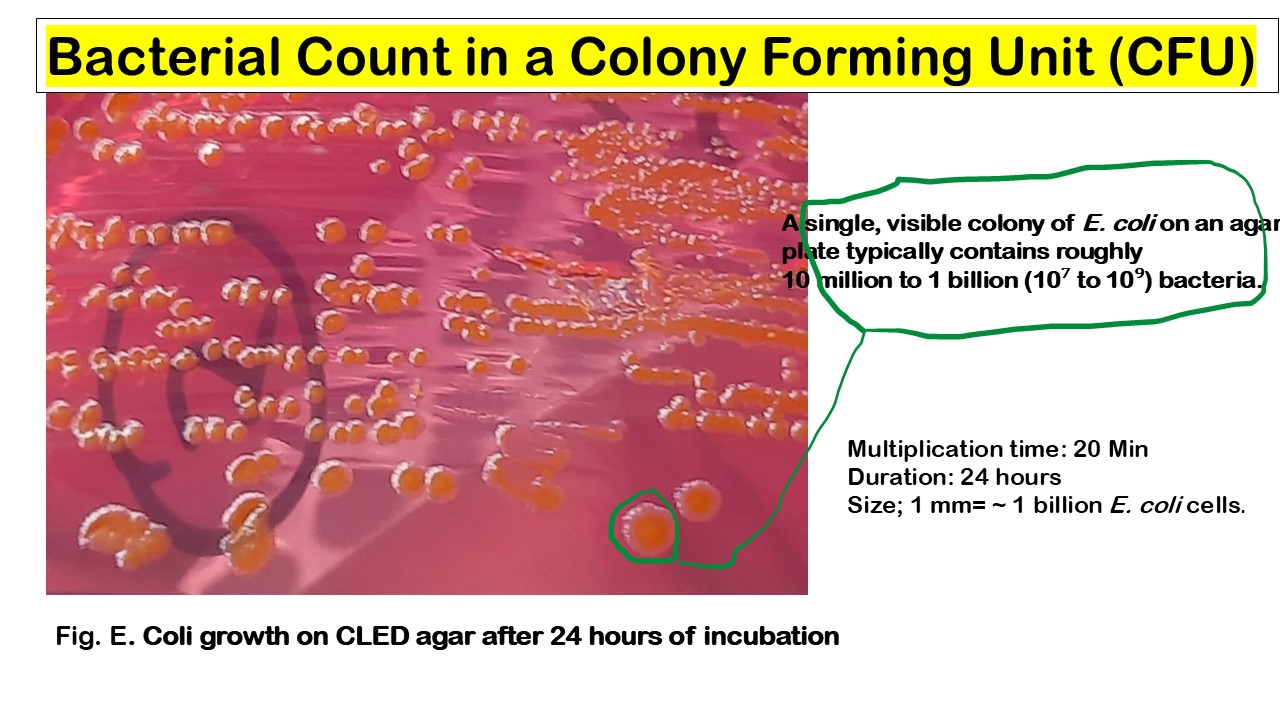
Bacterial Count in a Colony Forming Unit (CFU)

Introduction of Bacterial Load (Decoding the CFU) Bacterial load, measured in Colony-Forming Units (CFU), is a fundamental concept in microbiology used to estimate the number of viable (living) microorganisms in a sample. Unlike total cell counts that include dead bacteria, the CFU method only counts …

Read more

Contamination in L-J Media: Introduction, Common Contaminant, Identification clues, Minimization tricks, and Keynotes 

Advanced Fungal Contamination and Decolorization of L-J Medium: Fungal Overgrowth-The slants show dense, white, "cotton-like" mycelial growth. This morphology is a classic indicator of contamination by environmental molds, such as Aspergillus or Penicillium. Media Alteration- There is a total loss of the characteristic malachite green color. The medium has turned pale yellow or colorless, suggesting a significant shift in pH or the enzymatic degradation of the selective agent by the contaminants. Diagnostic Interpretation-The rapid growth of these organisms has completely masked any potential slow-growing Mycobacterium tuberculosis. These cultures are invalid and must be recorded as contaminated.

Introduction Lowenstein-Jensen (L-J) medium is the gold standard for the cultivation of Mycobacterium tuberculosis. However, because it is an egg-based, non-selective (or semi-selective) medium that requires long incubation periods, it is highly susceptible to contamination. L-J medium is rich in nutrients (eggs, glycerol, potato flour), …

Read more