Candida albicans-Introduction, Morphology, Pathogenicity, Lab Diagnosis, Treatment, Prevention, and Keynotes

Yeast cells, budding yeasts, and pseudohyphae in KOH mount of sputum microscopic examination

Introduction Candida albicans is a common fungal pathogen in humans. It inhabits mucosal surfaces naturally and colonizes the gastrointestinal tract and genitourinary system frequently. The organism causes infections in both healthy and immunocompromised individuals and adapts quickly to environmental changes within the host. Clinicians report …

Read more

Pseudomonas fluorescens: Introduction, Morphology, Pathogenicity, Lab Diagnosis, Treatment, Prevention, and Keynotes

Gram negative rods (GNRs) of Pseudomonas fluorescens in Gram staining of culture

Introduction Pseudomonas fluorescens inhabits diverse environments and thrives in soil and water. Moreover, it plays a significant role in nutrient cycling. The bacterium exists in numerous ecological niches and adapts quickly to changes. Furthermore, researchers study it for its beneficial and harmful properties. It interacts …

Read more

Candida albicans MCQs Quiz-A Simple Set of Questionnaire for Examination

Candida albicans MCQs Quiz-A Simple Set of Questionnaire for Examination

Introduction Below is a simple set of 15 multiple‐choice questions (MCQs) on Candida albicans designed as a quiz or examination questionnaire. Each question is provided with four answer choices, and the correct answer is indicated after each question. Candida albicans MCQs Quiz 1. Which species …

Read more

Cedecea davisae- Introduction, Morphology, Pathogenicity, Lab Diagnosis, Treatment, Prevention, and Keynotes

Cedecea in wet mount of culture microscopy

Introduction Cedecea davisae is a rare, opportunistic pathogen in the Enterobacteriaceae family. It was first isolated from a human wound. This bacterium can cause infections in immunocompromised individuals. It exhibits resistance to several antibiotics. It is often misidentified due to its rarity. However, proper laboratory …

Read more

Cladosporium: Introduction, Morphology, Pathogenicity, Lab Diagnosis, Treatment, Prevention, and Keynotes

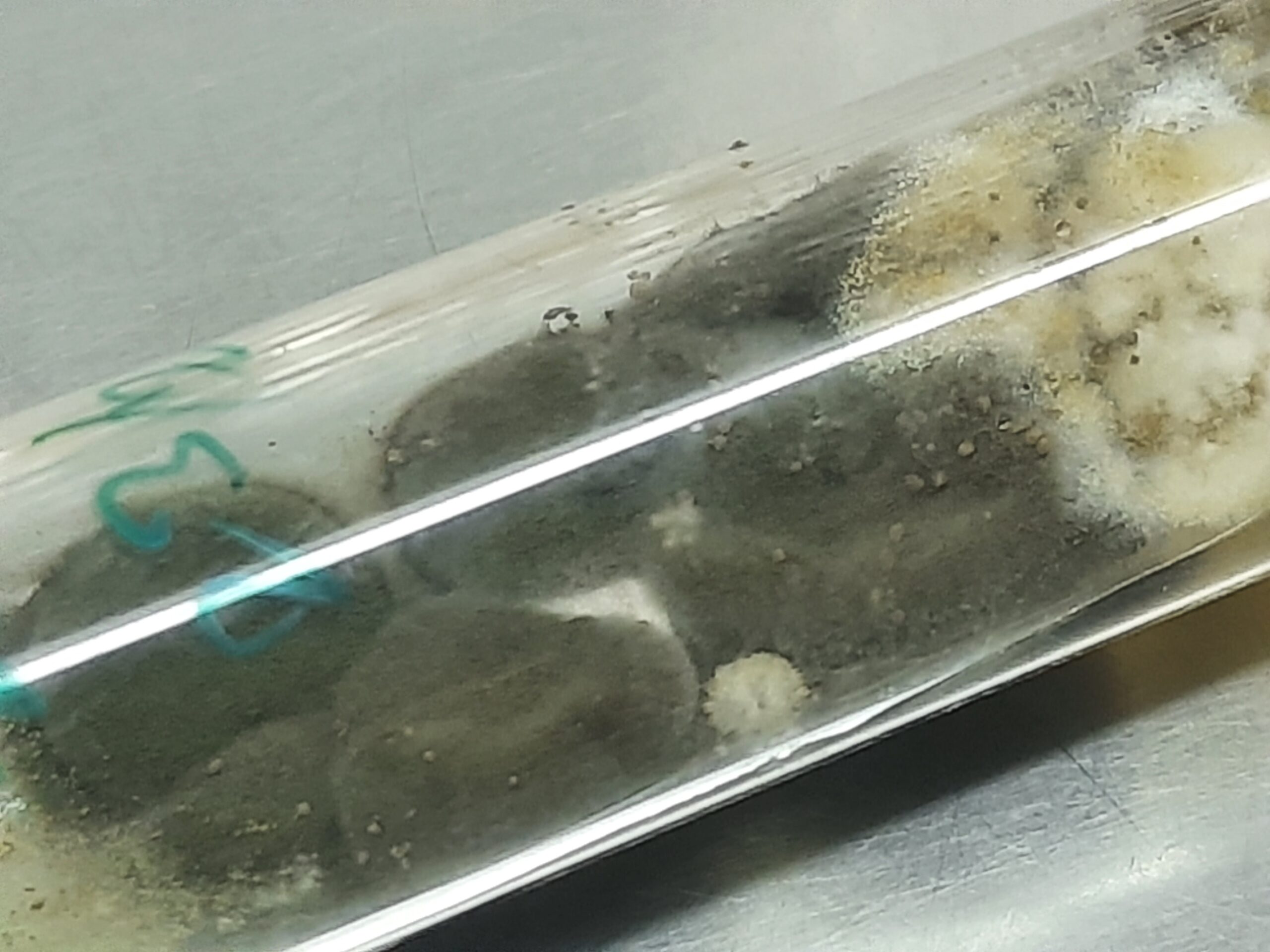
Cladosporium on Sabouraud Dextrose Agar (SDA) forms velvety, olive-green to blackish-green colonies with a dark reverse

Introduction Cladosporium is a genus of fungi that belongs to the phylum Ascomycota. It is a diverse and widespread group of molds that can be found in various environments, including soil, plants, decaying organic matter, and indoor spaces. Cladosporium species are known for their ability …

Read more

Mucor: Introduction, Morphology, Pathogenicity, Lab Diagnosis, Treatment, Prevention, and Keynotes

Sporangium, sporangiophore, hyphae and mycelium of Mucor in LPCB tease mount of young culture

Introduction Mucor is a genus of fungi belonging to the family Mucoraceae within the phylum Zygomycota. These fungi are commonly known as mold and are ubiquitous in the environment, found in soil, decaying organic matter, and on various surfaces. Mucor species play essential roles in …

Read more